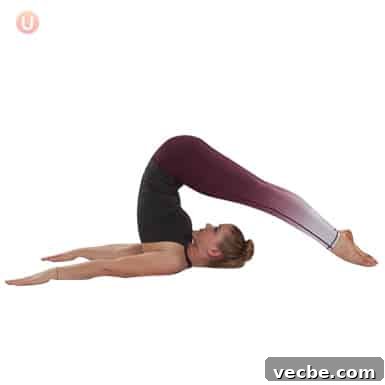
Plow Pose is a classic yoga inversion that stretches the spine, shoulders, and upper back while encouraging the entire body to slow down and reset. Also known for its calming effect, this pose is often practiced near the end of a yoga session because it helps prepare the body and mind for deep relaxation. If you often deal with a tight, tired, or sore back, learning how to do Plow Pose can be a helpful way to improve flexibility and release tension through the back body.
Although Plow Pose offers many benefits, it is not usually the first yoga pose beginners should attempt without preparation. It requires control through the core, mobility through the spine, and careful attention to the neck. Instead of forcing the shape, it is best to approach Plow Pose gradually. With patience and proper alignment, you can build confidence and move into the pose in a safer, more comfortable way.
If you are looking for a new yoga challenge or want to work on making your spine more flexible, Plow Pose is a valuable posture to practice. It teaches slow, controlled movement and encourages you to use your abdominal muscles to support your body as your legs move overhead. This control is important because the goal is not to swing your legs quickly, but to roll through the spine with awareness and stability.
Before trying Plow Pose, it is essential to consider your neck health. If you have any neck pain, a history of neck injuries, or ongoing cervical spine concerns, avoid this pose. The safety of your cervical spine should always come first. There are gentler yoga poses that can create a similar sense of release without placing the same demand on the neck. For example, Happy Baby Pose may be a safer and less intense alternative for stretching and relaxing the lower back.
If you do not have neck concerns and are ready to practice, try your first attempts with support. Place a sofa, chair, or sturdy surface behind your head so your feet have somewhere to land as they move overhead. This support can make the pose more accessible and reduce the pressure to reach the floor right away. Using a prop also helps you focus on alignment, breathing, and control rather than straining to complete the full version of the posture.
As your legs travel over your head, engage your core muscles to guide the movement slowly and steadily. Keep your head centered and avoid turning to look from side to side. This is especially important because turning the head while the neck is loaded can create unnecessary strain. Relax your face, soften your jaw, and allow your breath to stay even as you move into the pose.
Once your feet reach the chair or the floor in the full Plow Pose position, close your eyes if it feels comfortable, relax your body, and breathe deeply. Your chin should move toward your chest, and the back of the neck should remain long and aligned. The cervical vertebrae should feel supported, not compressed. If you feel pressure, pain, or discomfort in the neck, slowly come out of the pose and choose a gentler option.
A helpful way to prepare for Plow Pose is to practice a Full Body Roll Up. This movement teaches you how to articulate the spine one section at a time while using core control. Practicing this type of slow spinal movement can make the transition into Plow Pose feel more familiar and supported.
Plow Pose is typically practiced near the end of a yoga routine for two main reasons. First, the body should be fully warmed up before attempting a deep inversion and spinal stretch. Second, Plow Pose can help calm and rejuvenate the nervous system, making it a natural bridge into final relaxation. For this reason, it can also be a useful posture to include in a gentle bedtime yoga routine, provided it feels safe and comfortable for your body.
How To Perform Plow Pose
- Begin lying on your back with your legs extended straight up in the air above your hips. Keep your feet together and allow your arms to rest alongside your body.
- Place your hands against your lower back for support. Engage your abdominal muscles and begin lifting your hips as your legs move overhead.
- Move slowly and with control, using your core to guide the motion rather than swinging your legs. Keep your head and neck relaxed and centered.
- Continue sending your feet behind your head until your big toes rest on the floor or on a chair or sofa placed behind you for support.
- Keep breathing steadily in the pose. Soften your shoulders, keep your chin toward your chest, and avoid turning your head to either side.
- To come out of the pose, use your core and hands for support as you slowly roll your spine back down to the mat one vertebra at a time.