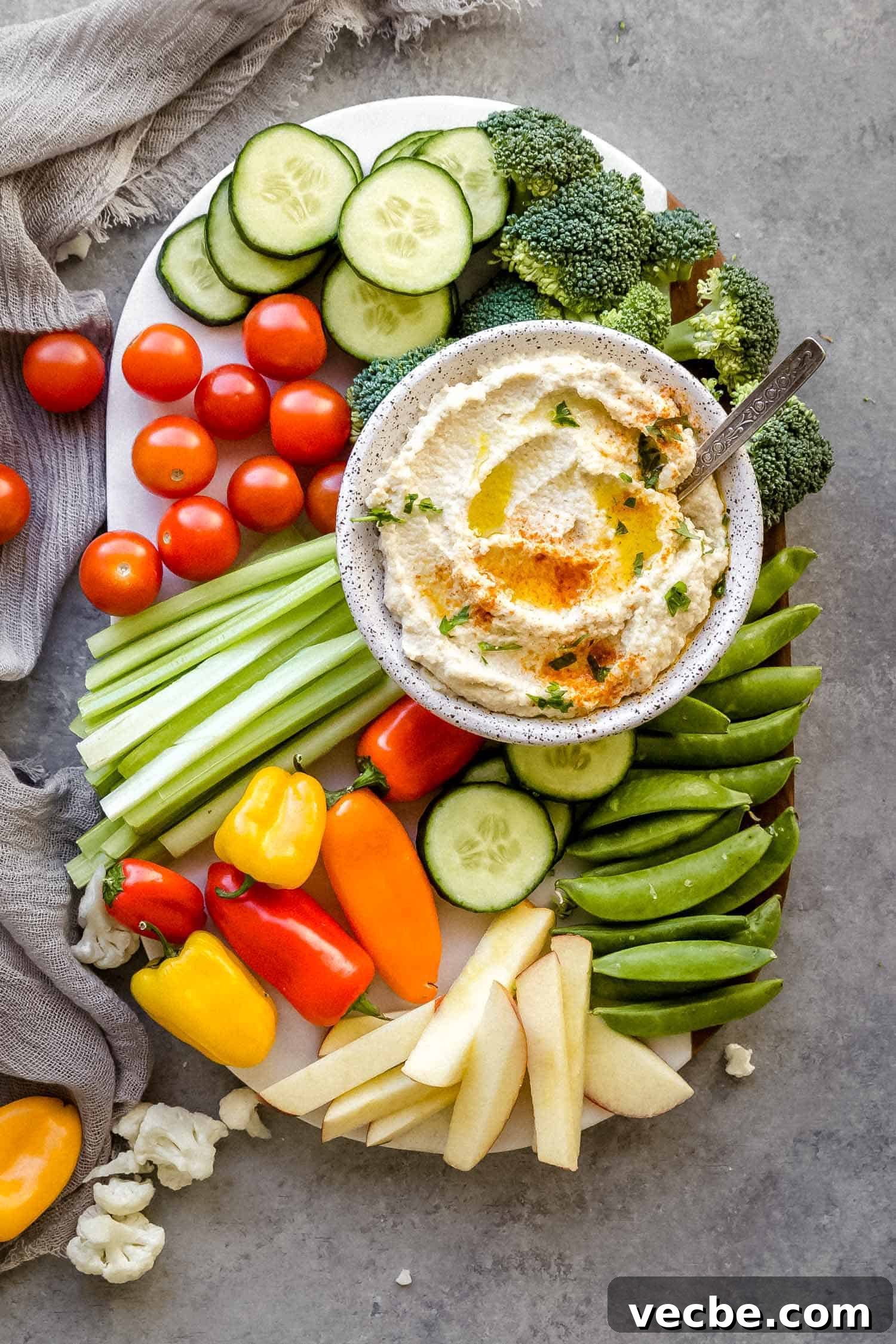
This low-carb cauliflower hummus is a flavorful, chickpea-free alternative to classic hummus. It’s dairy free, paleo and Whole30 friendly, and it can easily be made vegan. The texture is creamy and smooth, the flavor is bright and savory, and the recipe is nutrient-dense—perfect for dips, snacks, and entertaining.
Do I need to roast cauliflower for this cauliflower hummus to turn out?
Yes—roasting the cauliflower makes a big difference. Roasting concentrates the vegetable’s natural sweetness and softens the florets, which helps create the silky, hummus-like texture this recipe aims for. Raw cauliflower tends to be firmer and can yield a grainier, less satisfying spread.
If you like, roast the cauliflower a day in advance and store it in the refrigerator. Bring the florets to room temperature before processing to make blending easier and to achieve the best consistency. Preparing ahead saves time when you’re hosting or bringing the dip to an event.
More low-carb recipes like this:
One Pan Shrimp Fajitas
Whole30 Greek Salmon
Broiled Barramundi with Citrus Salsa
The Best Paleo One Pan Breakfast
Whole30 Shakshuka with Cauliflower Rice
I’m excited to share this recipe because traditional hummus can sometimes leave me feeling bloated or sluggish. Chickpeas are delicious, but they don’t agree with everyone on every day. This cauliflower version offers all the creamy, tangy qualities of hummus without chickpeas—so it’s a great option when you want a lighter dip or need a chickpea-free alternative.
Can I make this cauliflower hummus vegan?
Absolutely. The recipe uses bone broth to boost flavor and nutrition, but you can omit it to make the hummus vegan. Replace the bone broth with extra oil or low-sodium vegetable broth if you prefer. If you skip the broth entirely, add additional oil or a little water as needed while processing to reach the desired creaminess.
If you want to avoid extra oil, use a mild vegetable broth, but choose a low-sodium variety to keep the final dip from becoming too salty. Whether you include bone broth or not, this recipe produces a delicious, versatile hummus that works for many dietary preferences.
How to make cauliflower hummus
Preheat the oven to 400°F (about 200°C) and position the rack in the middle. Line a baking sheet with parchment paper.
Toss cauliflower florets with 2 tablespoons of oil in a large bowl so each piece is lightly coated. Spread the florets in a single layer on the prepared baking sheet.
Roast for about 20 minutes, turning once halfway through, until the edges begin to brown and the florets are tender. Remove from the oven and allow them to cool to room temperature.
In a food processor, pulse garlic until minced. Add the roasted cauliflower, tahini, salt, cumin, and bone broth (or your chosen liquid replacement). Pulse on high for about a minute until the mixture breaks down into a thick, clumpy paste.
With the processor running on high and the lid vented, very slowly stream in 3–4 tablespoons of oil, adding a teaspoon at a time until the hummus becomes smooth and emulsified. Lower the speed and add the lemon juice. Taste and adjust seasonings. If the hummus is too dry or gritty, add another tablespoon of oil or a tablespoon or two of water to thin it to your preference.
To keep the recipe Whole30 compliant, serve with raw vegetables instead of crackers or chips. Popular dippers include:
- Apple slices, cucumber rounds, and cherry tomatoes
- Broccoli florets and celery sticks
- Snap peas and mini bell peppers
This cauliflower hummus is easy to make, stores well, and is a crowd-pleaser for those seeking a lower-carb, chickpea-free dip. It’s perfect for parties, meal prep, or a healthy snack. I hope you enjoy it as much as I do—your guests will be impressed!

Low Carb Cauliflower Hummus (Dairy Free, Paleo, Whole30)
Ingredients
- 1 large head cauliflower, chopped into florets
- 2 tablespoons avocado oil or extra virgin olive oil (for roasting)
- 2 garlic cloves
- 1/2 cup creamy tahini
- 1 teaspoon kosher salt
- 1/2 teaspoon ground cumin
- 1/4 cup bone broth (see notes) or substitute as needed
- 3–4 tablespoons additional avocado oil (for processing)
- 3 tablespoons fresh lemon juice (about 1–2 lemons)
Instructions
- Preheat the oven to 400°F and position the rack in the middle. Line a baking sheet with parchment paper.
- Toss cauliflower florets with 2 tablespoons oil until evenly coated. Spread in a single layer on the baking sheet. Roast for about 20 minutes, turning once, until edges brown and florets are tender. Cool to room temperature.
- Pulse garlic in a food processor until minced. Add roasted cauliflower, tahini, salt, cumin, and bone broth (or substitute). Pulse on high about 1 minute until mixture breaks down into a thick paste.
- With the processor running, very slowly stream in 3–4 tablespoons oil until emulsified and smooth. Reduce speed and add lemon juice. Taste and adjust seasoning. If too dry or gritty, add another tablespoon of oil or a little water to reach desired consistency.
- Transfer to an airtight container and refrigerate. Keeps about 3 days if using frozen bone broth, otherwise up to one week.
Notes
- To make the recipe vegan, omit bone broth and add extra oil or low-sodium vegetable broth as needed to achieve a creamy texture. Add oil a tablespoon at a time while processing until you are satisfied with the consistency.
- Use fresh lemon juice for the best flavor. Bottled lemon juice can sometimes introduce an off taste.