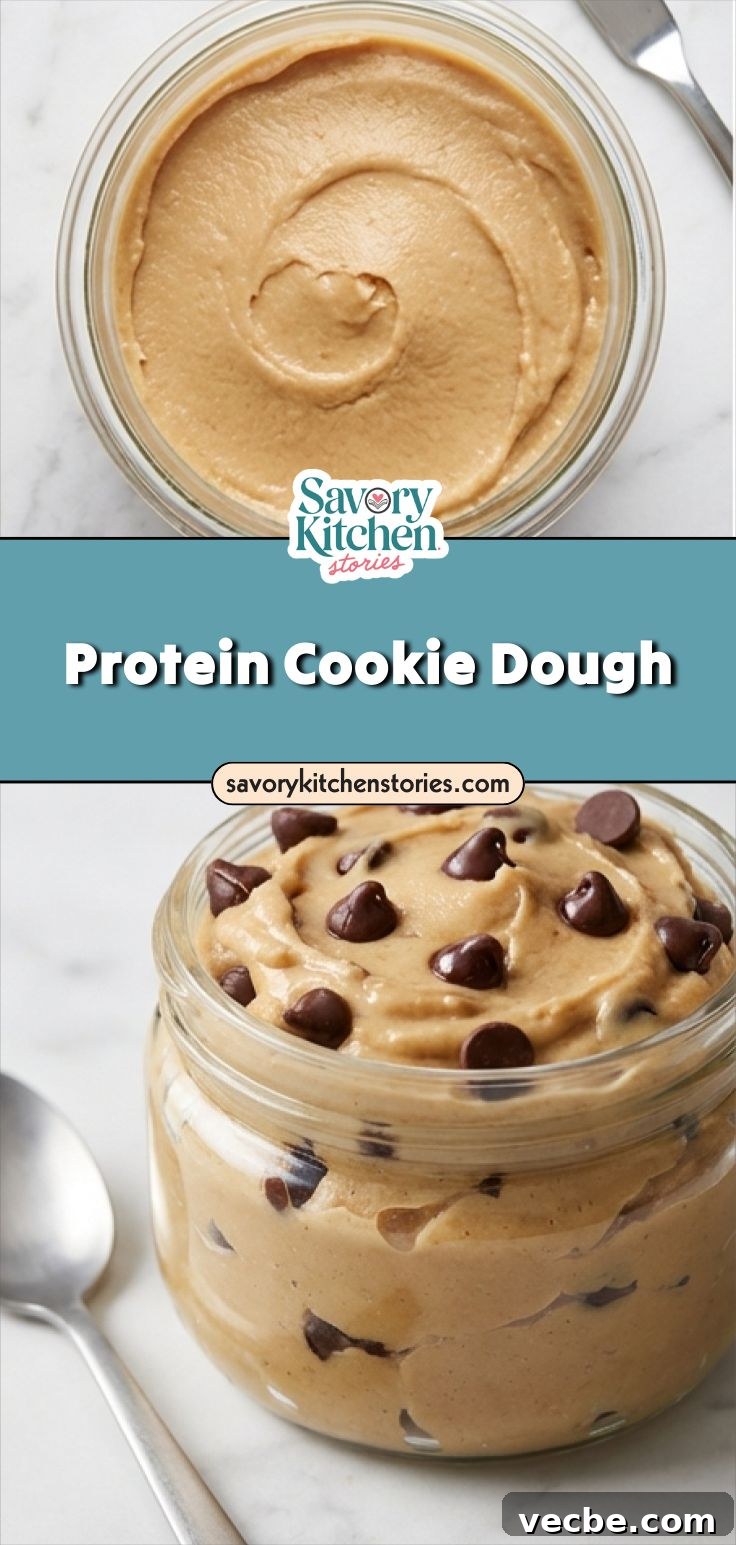
Protein Cookie Dough Recipe
I discovered this Protein Cookie Dough Recipe during a late-night craving when I wanted something that felt indulgent but also had some nutritional value. It delivers that familiar cookie dough texture with a protein boost, making it perfect for movie nights, quick breakfasts, or a simple snack. The recipe is flexible: you can adjust sweetness, switch nut butters, or make low-carb substitutions without losing the comforting taste and creamy mouthfeel. Each batch changes slightly depending on the protein powder and mix-ins you choose, so it’s easy to customize.
How This Recipe Became My Cozy-Weeknight Comfort
One rainy evening I had a small pantry and a big craving. With only a can of chickpeas and some pantry staples, I experimented and was surprised by the result. After the first whir in the food processor the kitchen filled with a warm, nutty aroma. The blend turned into a smooth, scoopable dough studded with glossy chocolate chips. It transformed a simple night at home into a little celebration — a reminder that comfort can be both satisfying and lighter than many traditional desserts.
Main Ingredients and Why They Matter
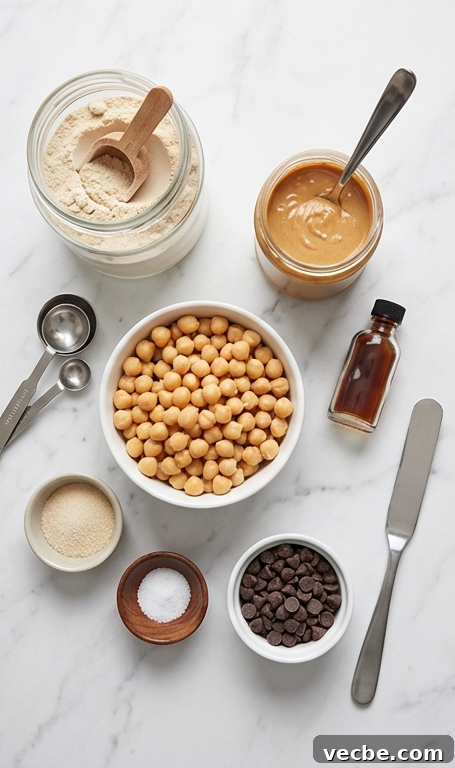
- Protein Powder: Adds structure and a protein boost. Unflavored or vanilla work best for a neutral sweetness. Options such as whey, pea, or soy are suitable; choose sugar-free varieties for a lower-carb version.
- Chickpeas: Create a smooth, creamy base when processed. Canned chickpeas are convenient — rinse and drain them well. For a lower-carb alternative, try silken tofu or a small mashed avocado.
- Peanut Butter (or nut/seed butter): Contributes richness and a creamy texture. Natural peanut butter has a clean flavor; almond or sunflower seed butter are good swaps for allergies.
- Vanilla Extract: Enhances and rounds out the other flavors. Pure vanilla is preferred, but imitation vanilla will work if needed.
- Salt: Balances and amplifies sweetness. A pinch of kosher or sea salt brightens the overall flavor.
- Sweetener: Brown sugar, coconut sugar, or a granular sugar substitute can be used. If your protein powder is already sweetened, reduce added sugar accordingly.
- Chocolate Chips: Add contrast and texture. Use sugar-free chips for a keto-friendly version or dark chocolate for a richer taste.

Essential Kitchen Tools and Why You’ll Want Them
A few basic tools make this Protein Cookie Dough Recipe quick and reliable. A food processor or high-power blender transforms chickpeas and nut butter into a silky base; if you only have a blender, pause and scrape the sides often to ensure even processing. A rubber spatula helps scrape the bowl clean and fold in chocolate chips without breaking them. Clear jars or wide-mouthed containers work well for storage and presentation, and a digital scale is handy if you want precise portions, though measuring cups work fine for casual batches.
- Food processor or high-power blender: Essential for a smooth texture.
- Rubber spatula: For scraping and folding in mix-ins.
- Measuring cups and spoons: For consistent results.
- Jars or containers: For storage and presentation.
- Digital scale (optional): Useful for precision when adjusting portions.
Step-by-Step Preparation Guide
Step 1: Combine the dry and wet bases in the processor
Place protein powder, drained chickpeas, peanut or seed butter, a pinch of salt, vanilla extract, and your chosen sweetener into the food processor. I usually start with about 2/3 cup of brown sugar or coconut sugar for a balanced sweetness, but reduce or increase depending on how sweet your protein powder is. Secure the lid and process until the ingredients begin to come together.
Step 2: Blend until silky-smooth and adjust texture
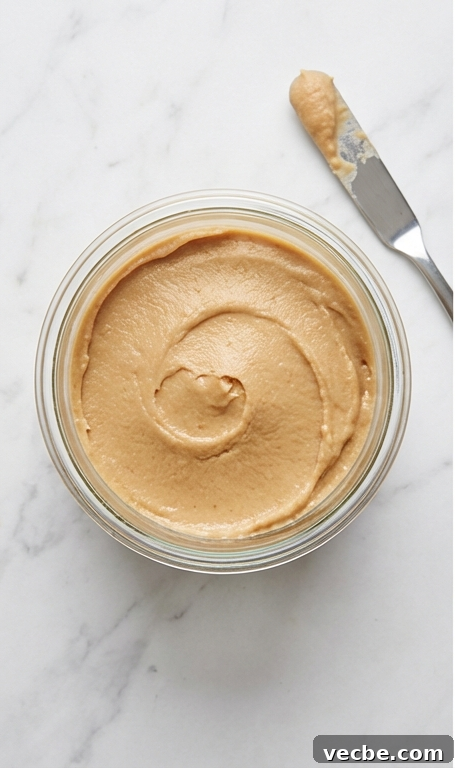
Pulse, then blend continuously until the mixture becomes a thick, homogeneous paste with no visible chickpea bits. The ideal texture is dense but spreadable. If the dough seems too dry or grainy, add milk by the tablespoon until it loosens to a firm, scoopable consistency — avoid making it runny. Scrape the mixture into your serving jar or container and check for smoothness and sheen.
Step 3: Fold in chocolate chips for contrast and bite
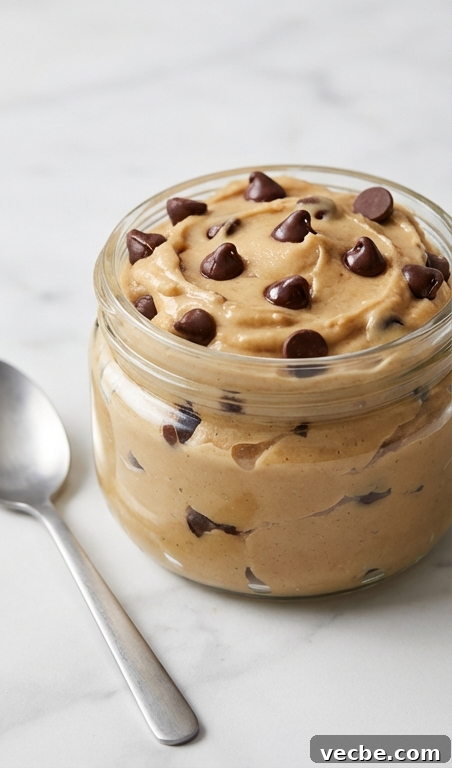
Gently fold in chocolate chips by hand so they stay whole and evenly distributed. The dough will shift from uniformly smooth to slightly chunky as the chips create small pockets of texture. Press a few extra chips on top for an attractive finish.
Step 4: Jar it, taste, and play with flavors
Spoon the cookie dough into a clean jar or wide container, pressing it in so it looks inviting. Taste a small spoonful and adjust sweetness or salt if needed. Try small variations — a pinch of cinnamon or instant espresso powder, or a dash of another extract — by stirring them into separate portions to sample. Serve chilled or at room temperature with spoons, crackers, or fruit.
Making It Your Own
This recipe is a great base for experimentation. Swap peanut butter for almond or sunflower seed butter for allergy-safe options. For a lower-carb version, choose a low-carb protein powder and sugar-free chocolate chips. A pinch of espresso powder brightens the chocolate flavor, and cinnamon or nutmeg gives a warm, seasonal twist. For a kid-friendly batch, mix in mini colorful chips. Dividing the batch into portions and flavoring each one differently is a fun way to find your favorite variation.
How to Serve
Presentation elevates this simple treat. Fill small jars or ramekins and top with extra chips, flaky salt, or a toasted nut. On a dessert board, place a jar in the center and surround it with graham crackers, apple slices, banana rounds, and pretzel sticks for dipping. To serve a crowd, double or triple the recipe and set multiple serving stations with spoons. For grab-and-go servings, scoop the dough into silicone liners and chill briefly.
Storage and Reheating Tips
Store the dough in airtight jars or containers in the refrigerator. It keeps well for about 5 to 7 days and firms up when chilled, which is ideal for scooping. For a softer spread, let it sit at room temperature for 15–20 minutes or stir in a teaspoon of milk until you reach the desired consistency. You can freeze the dough for longer storage; thaw overnight in the fridge and stir well before serving.
Common Mistakes and How to Avoid Them
Avoid adding too much liquid at once — add milk sparingly, one teaspoon at a time, until the right texture is reached. Make sure chickpeas are thoroughly rinsed and drained to prevent a loose dough. Taste as you go because protein powders vary widely in sweetness; it’s easier to add more sweetener than to correct an overly sweet batch.
Why You Should Try It
This Protein Cookie Dough Recipe strikes a satisfying balance between indulgence and nourishment. It comes together quickly, adapts easily to dietary needs and flavor preferences, and is consistently popular with guests and family members. Try it once and then make it your own.
Frequently Asked Questions
- What does this Protein Cookie Dough Recipe taste like? It resembles classic cookie dough with a nutty base and chocolate pockets; exact flavors depend on the protein powder and sweetener you use.
- Can I use canned chickpeas straight from the can? Yes — rinse and drain the chickpeas well to avoid excess moisture and achieve the best texture.
- Is this recipe suitable for a keto diet? You can create a keto-friendly version by using a low-carb protein powder, a sugar substitute, and sugar-free chocolate chips.
- How long does the Protein Cookie Dough keep? Stored in an airtight container in the refrigerator, it stays fresh for about 5 to 7 days. Freeze for longer storage and thaw in the fridge overnight.
- Can I make this nut-free? Yes — substitute sunflower seed butter or tahini for peanut butter to keep it nut-free while maintaining creaminess.