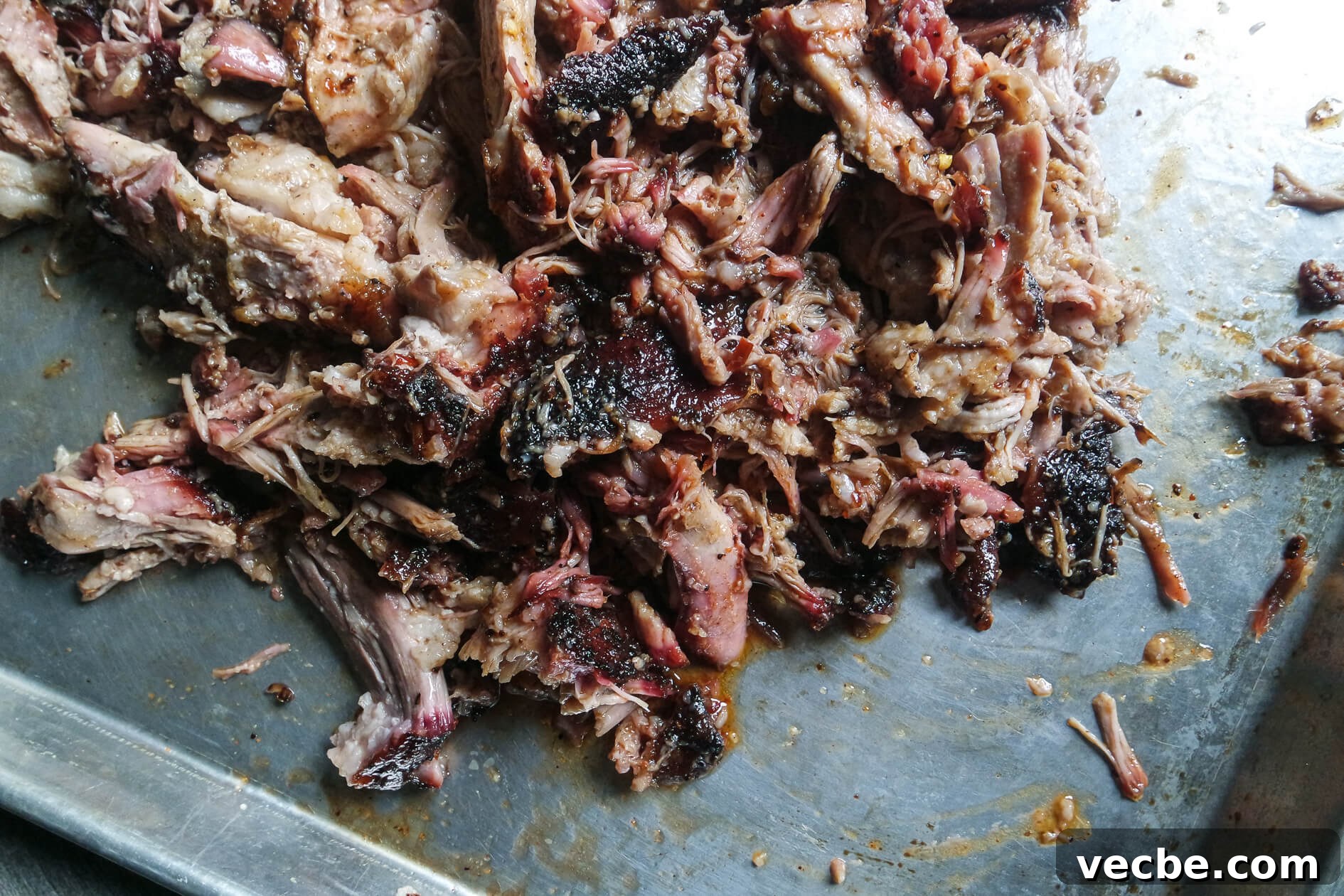
Classic barbecue pulled pork, smoked low and slow until tender, is affordable, simple, and packed with deep smoky flavor.
Barbecue pulled pork is one of the most rewarding recipes you can make on a smoker. It uses an economical cut of pork, requires only a few basic ingredients, and delivers tender, juicy meat that can be piled into sandwiches, served with sides, or enjoyed on its own. When cooked low and slow, pork shoulder transforms from a tough cut into rich, pull-apart barbecue with a beautiful bark and a gentle smoke flavor.
When most people talk about pulled pork, they are talking about smoked meat. In Southern barbecue, “barbecue” does not mean quick cooking over direct heat. It means cooking meat slowly in a wood-fired pit or smoker until the connective tissue breaks down and the meat becomes tender. Pulled pork can be made in an oven, slow cooker, or even braised on the stovetop, but it is only truly barbecued when it is cooked with smoke and indirect heat. That touch of smoke makes a noticeable difference in both aroma and flavor.
The best cut for smoked pulled pork is pork shoulder, often sold as pork butt or Boston butt. Despite the name, pork butt does not come from the rear of the pig. The term comes from the old wooden barrels, called butts, that were once used for packing and shipping pork. This cut comes from the front shoulder area. It is naturally tough if cooked quickly, but with steady heat over several hours, it becomes incredibly tender and flavorful. Tougher cuts usually contain more connective tissue and fat, which makes them ideal for slow smoking.
A traditional offset smoker works beautifully for this classic barbecue pulled pork recipe, but the same general method applies to other smokers as well. The important part is maintaining a steady cooking temperature and allowing the pork enough time to become probe tender. Unlike brisket, where different muscles can cook and behave differently, pork butt is very forgiving. A smaller 2 to 3 pound piece will also work if you do not want to cook a full 8 to 10 pound shoulder, and it will usually finish sooner.
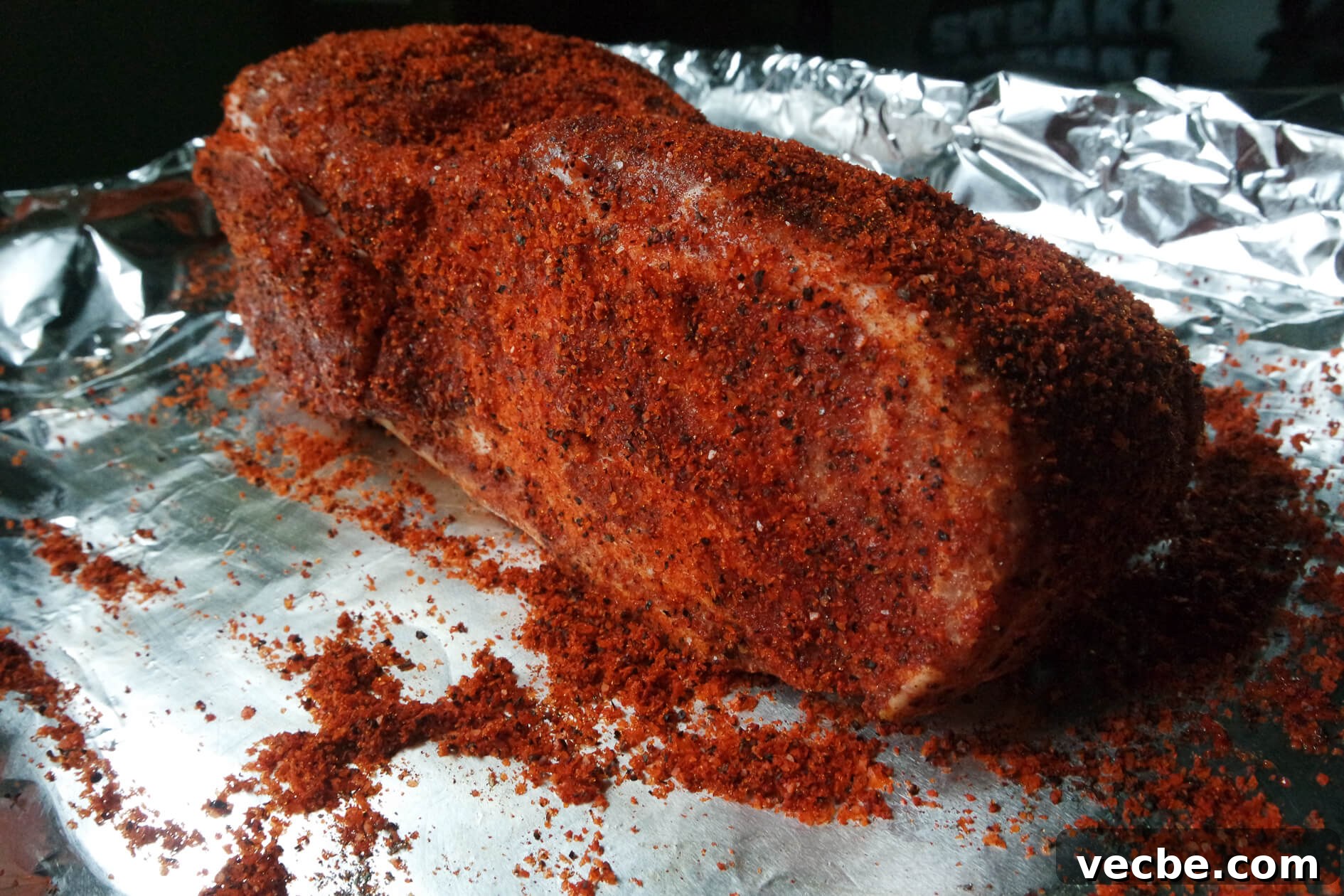
Seasoning is simple but important. Start with kosher salt, then apply a generous coating of barbecue rub designed for pork. A good rub adds color, sweetness, savory depth, and spice while helping form the bark on the outside of the meat. After seasoning, let the pork sit briefly so the surface moisture can turn the rub into a paste. This helps the seasoning cling to the meat and creates a better crust during smoking.
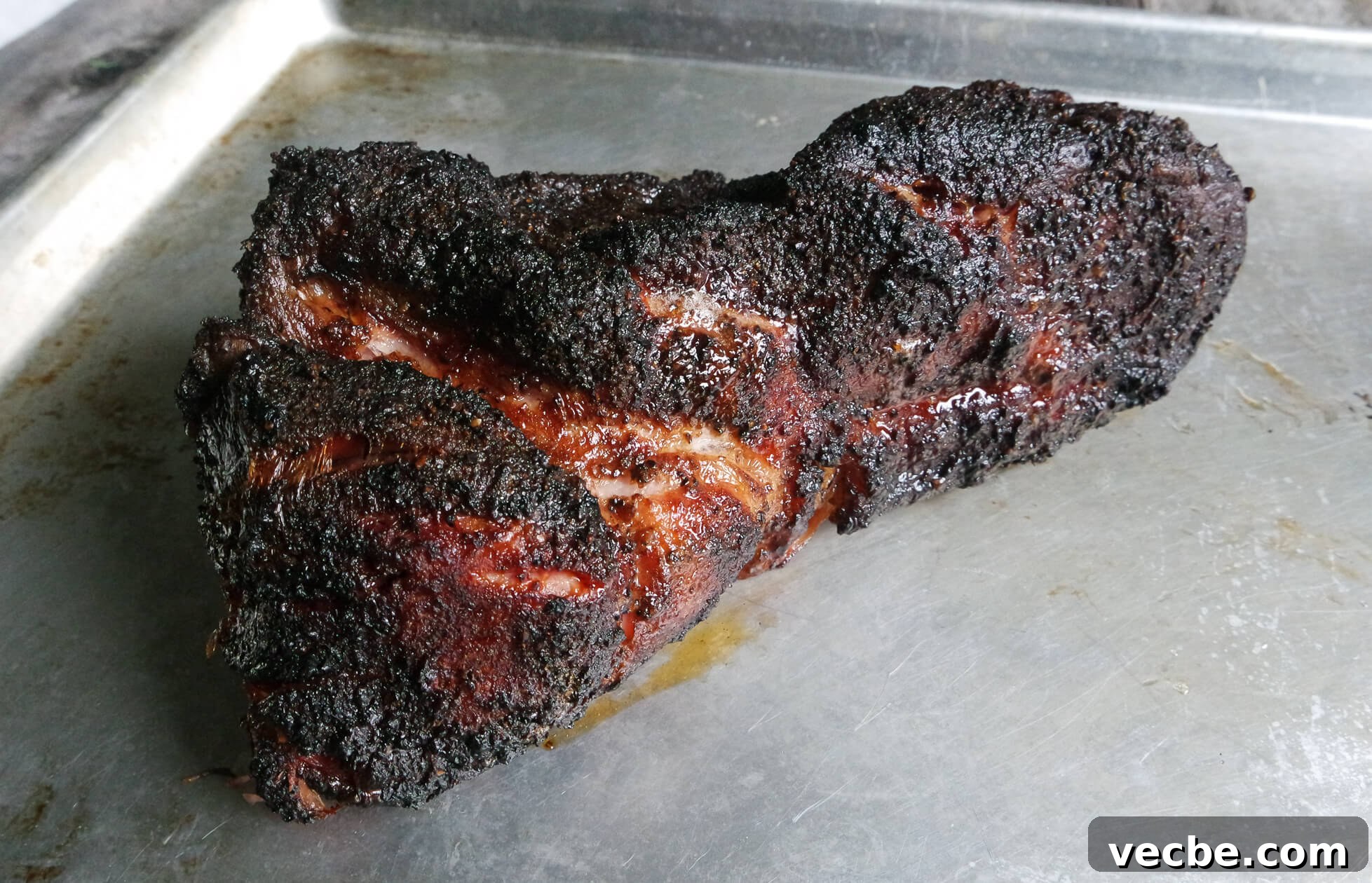
To keep the cooking chamber humid and encourage great bark, spritz the pork during the cook with a mixture of apple cider vinegar and water. Once the bark is dark and well developed, the pork is wrapped tightly in foil and returned to the smoker. Wrapping helps push the meat through the later stages of cooking and keeps it moist. The goal is not to cook by the clock but to cook by temperature and feel.
There is no exact answer to how long pulled pork will take. Weather, smoker type, fuel, meat size, and the quality of the pork can all affect the timing. A full pork butt is usually taken to at least 195°F, and many cooks prefer closer to 200°F for easy shredding. The best test is tenderness. A probe should slide through the meat with almost no resistance. Check several spots, because some areas may soften before others. Be patient and let the pork finish properly.
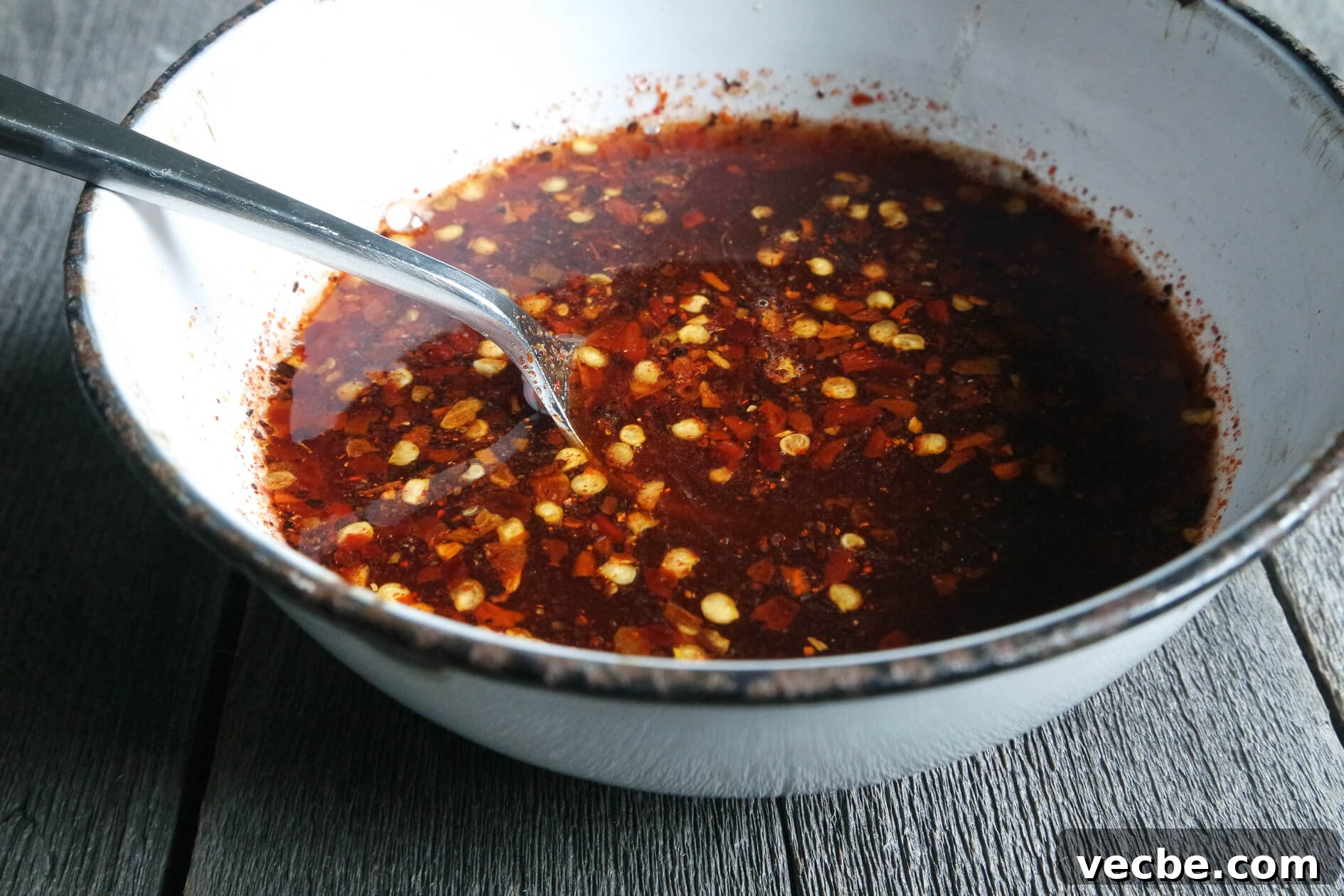
After smoking, resting the pork is essential. Holding it in an empty cooler for about an hour helps the juices settle and keeps the meat hot before pulling. Once shredded, a simple vinegar dressing adds brightness, light sweetness, and moisture. It coats the pulled pork without overpowering the smoke, making every bite juicy and balanced.
Mastering smoked pulled pork is easier than many people expect. The real challenge is deciding whether to serve it on a plate, load it into a soft bun, or stack it high enough to make the ultimate pulled pork sandwich.
How to Make Classic Barbecue Pulled Pork
- Author: Jess Pryles
This classic smoked pulled pork recipe uses pork butt, barbecue rub, apple cider vinegar, and a simple finishing dressing for juicy, tender meat with rich smoke flavor.
Ingredients
1 x 8-10 lb pork butt
Kosher salt
Hardcore Carnivore: RED rub
1/3 cup apple cider vinegar
1 cup water
For the vinegar dressing:
1/3 cup apple cider vinegar
1 tsp red pepper flakes
2 tsp Hardcore Carnivore: RED rub
2 tbsp brown sugar
1/3 cup water
1 tablespoon honey
Pinch of salt
Instructions
- Heat your smoker to 250°F and set it up for indirect cooking.
- Pat the pork butt dry with paper towel. Season it generously with kosher salt, then coat all sides with Hardcore Carnivore: RED rub. Let the pork sit for about 20 minutes so the surface moisture helps the rub form a paste.
- Place the pork butt in the smoker and insert a meat probe to monitor the internal temperature. Combine the apple cider vinegar and water in a spray bottle, then spritz the pork every hour or so. This helps maintain humidity in the cooking chamber and supports bark development.
- After about 5 hours, or once a deep bark has formed, wrap the pork butt tightly in foil. Return it to the smoker and continue cooking until the internal temperature reaches at least 195°F. If the bark is not as dark as you would like, continue smoking for up to another hour before wrapping.
- When the pork reaches 195°F and feels tender when probed, remove it from the smoker. Place it in an empty cooler, without ice, and let it rest for about 1 hour. This hold keeps the meat hot and helps improve the final texture.
- While the pork rests, make the vinegar dressing. Combine the apple cider vinegar, red pepper flakes, rub, brown sugar, water, honey, and salt in a small saucepan over low heat. Stir until the sugar dissolves.
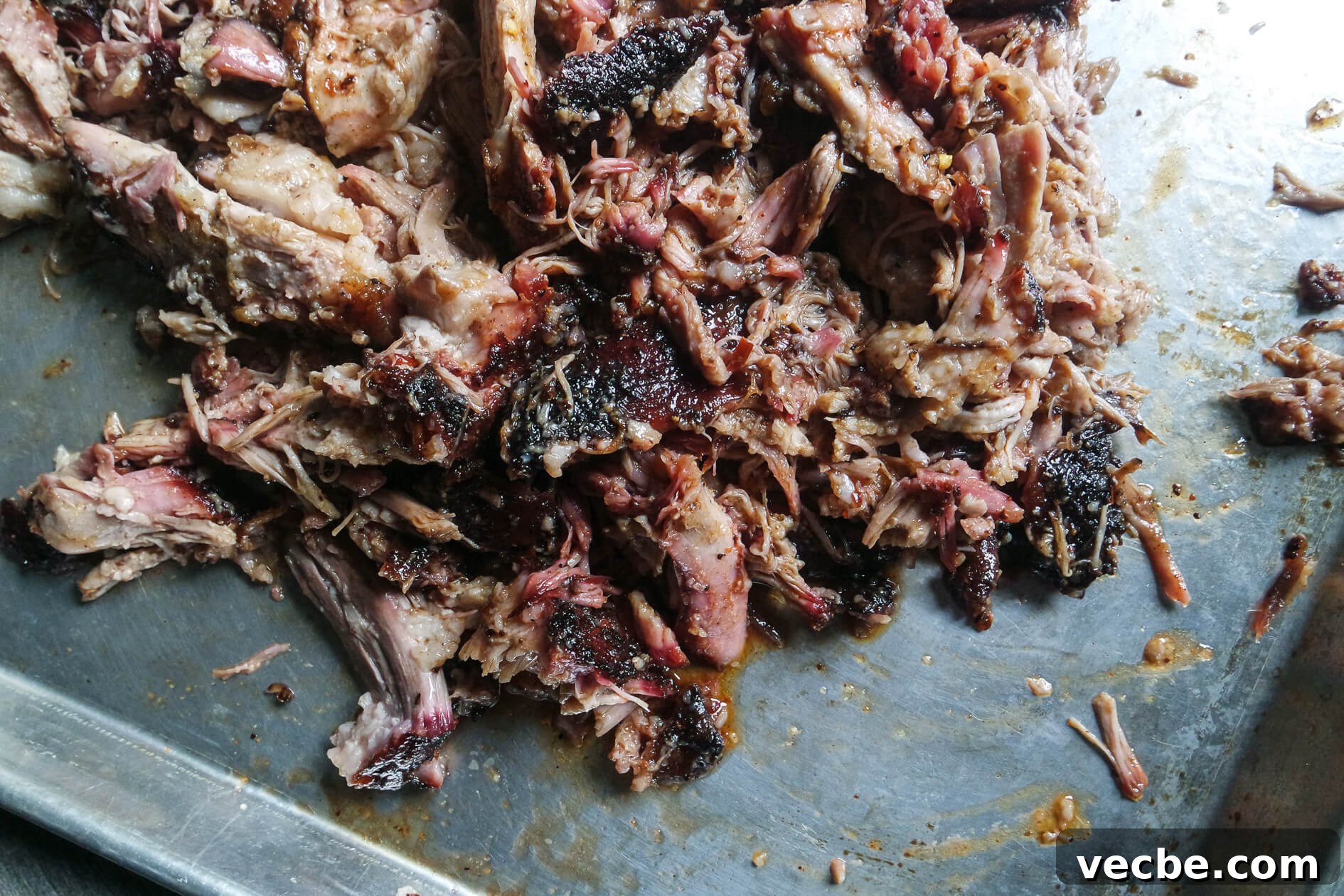
- After resting, transfer the pork to a large tray or board. Pull the meat apart using heatproof gloves, forks, or meat claws, taking care because the center will still be very hot.
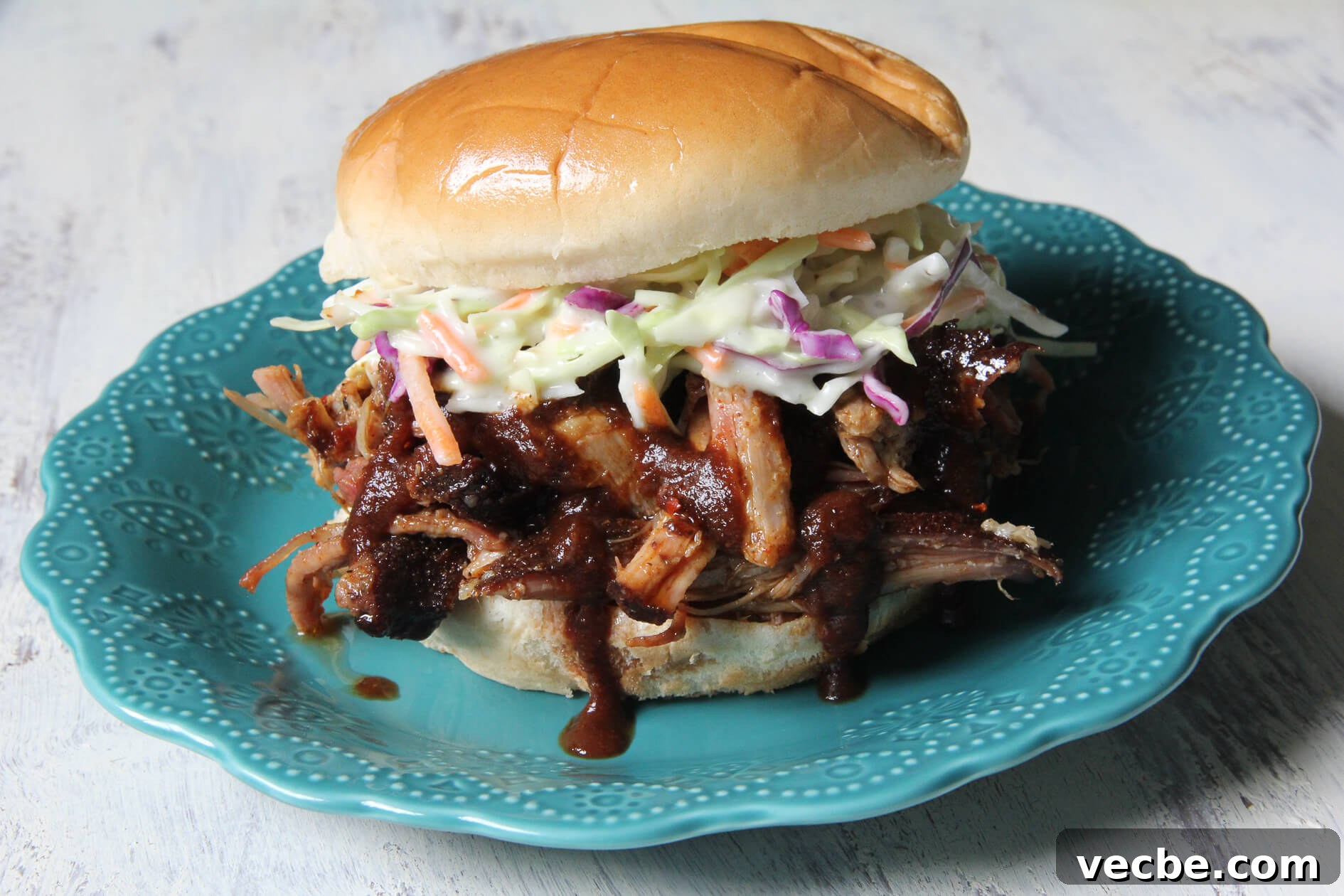
- Drizzle the warm vinegar dressing over the pulled pork and toss until the meat is evenly coated. Serve immediately, or pile the pork into buns with sauce for classic barbecue pulled pork sandwiches.