A certified biodynamic family farm producing small lots of delicious Italian natural wines, award-winning olive oil, and a variety of farm-made goods in the Dry Creek Valley.
I first visited this winery for a solo tasting in the fall of 2017 and immediately became a member and regular visitor. From the moment I arrived the team welcomed me like family. Since then I’ve returned many times for tastings, seasonal visits, and their lively pick-up parties.
The images below are from their winter 2019 pick-up party; I will continue updating this post with photos throughout the seasons.
The Davero Philosophy
“Grow what belongs here. Be patient.”
That mantra reflects how they relate to the land: what they plant, how they care for the soil, and how they make wine. It’s a simple statement about fitting crops to place and letting nature lead the process.
The Davero Mission
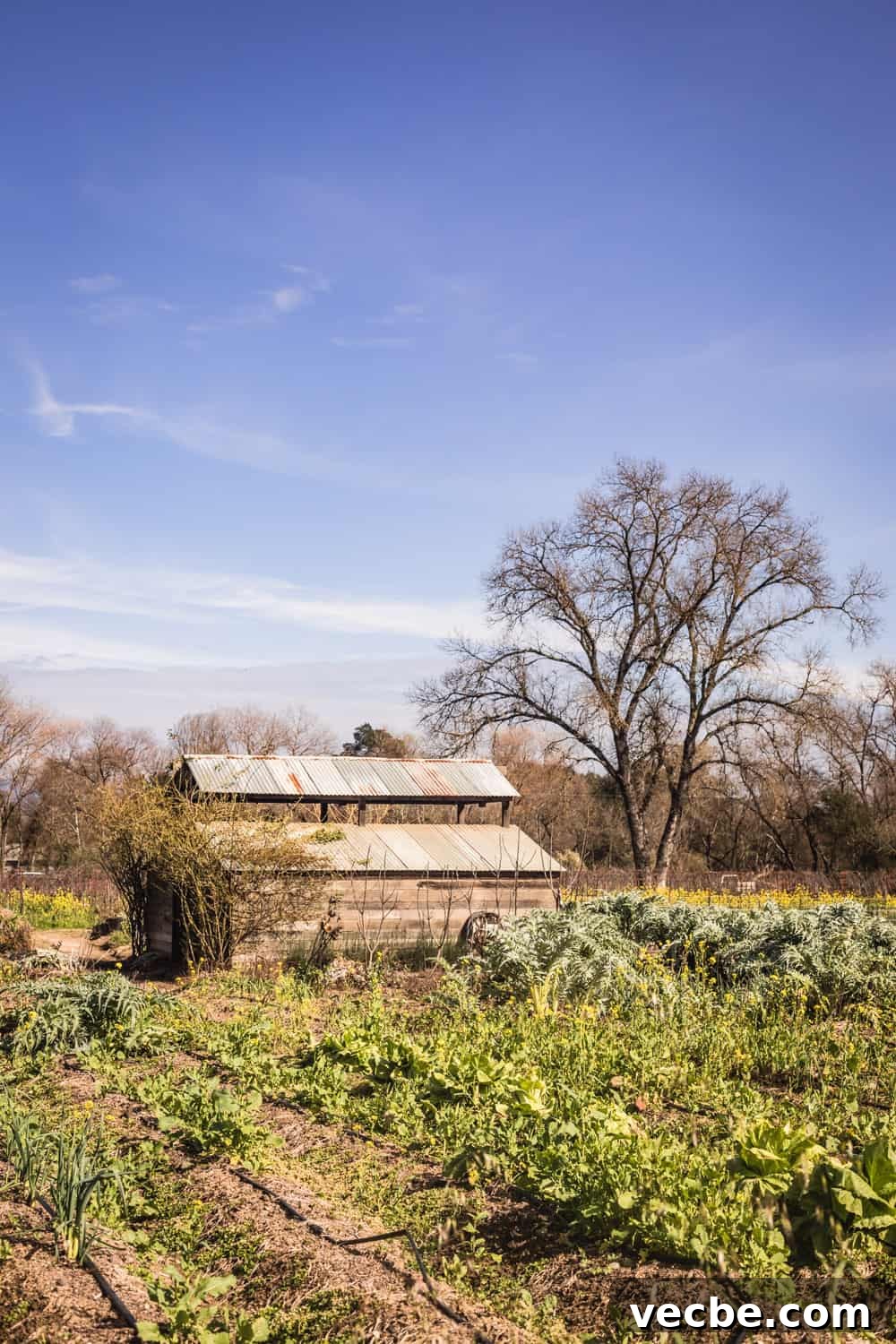
Their mission is to produce the best wine and olive oil their land can sustainably yield. They focus on long-term stewardship, aiming to build an economically, agriculturally, and environmentally sustainable farm for future generations.
The Davero team are dedicated stewards of the land, committed to building a multi-generational farm-based business that cares for community and ecosystem alike.
A Brief Davero History
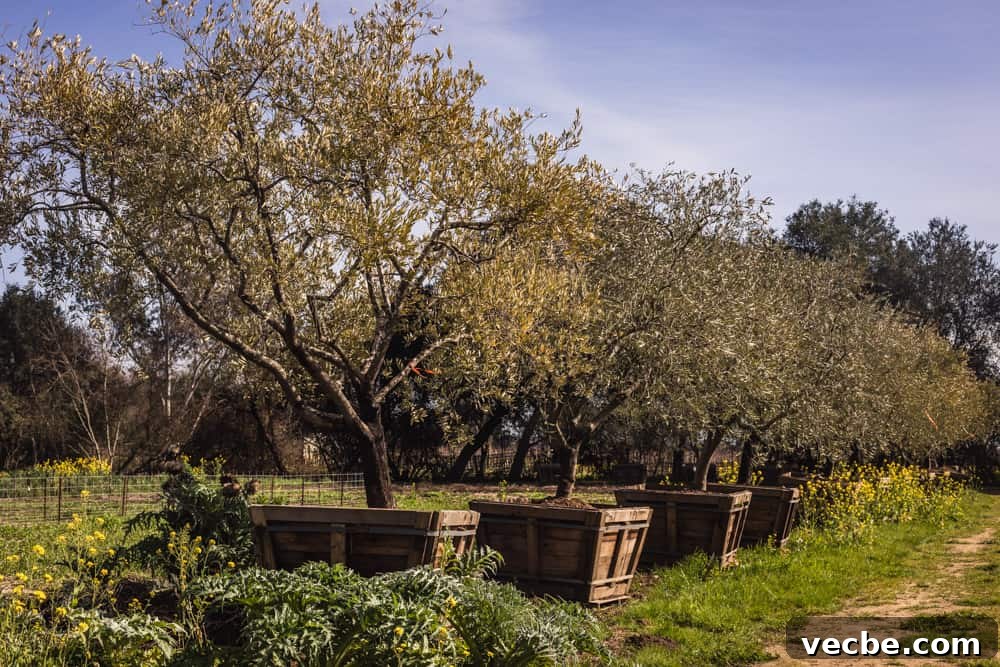
Ridgely Evers began the project when he bought the original farm property in 1982. In 1990 he imported olive trees from Tuscany—believed to be the first such trees brought to the U.S. in generations—planted them, and patiently waited. The resulting olive oil has since earned international recognition.
Colleen McGlynn joined in 1993 and helped transform the property; she and Ridgely are now co-owners.
They planted their first small vineyard of Sangiovese (followed by Sagrantino) around 2000 and continued experimenting with Italian varieties. In 2008 they expanded by acquiring a second property. Over the years they embraced biodynamic practices and diversified the farm with fruit trees, citrus, lavender, vegetables, bees, chickens, pigs, and sheep.
Davero Wines: Italian (not French)
Northern California shares latitude with parts of Sicily, offering hot, dry summers and cool nights. For that reason Davero focuses on Mediterranean varieties that are well suited to the climate rather than the more common French varietals of the region. They rely on centuries of Mediterranean experience, choosing vines that naturally thrive in similar growing conditions.
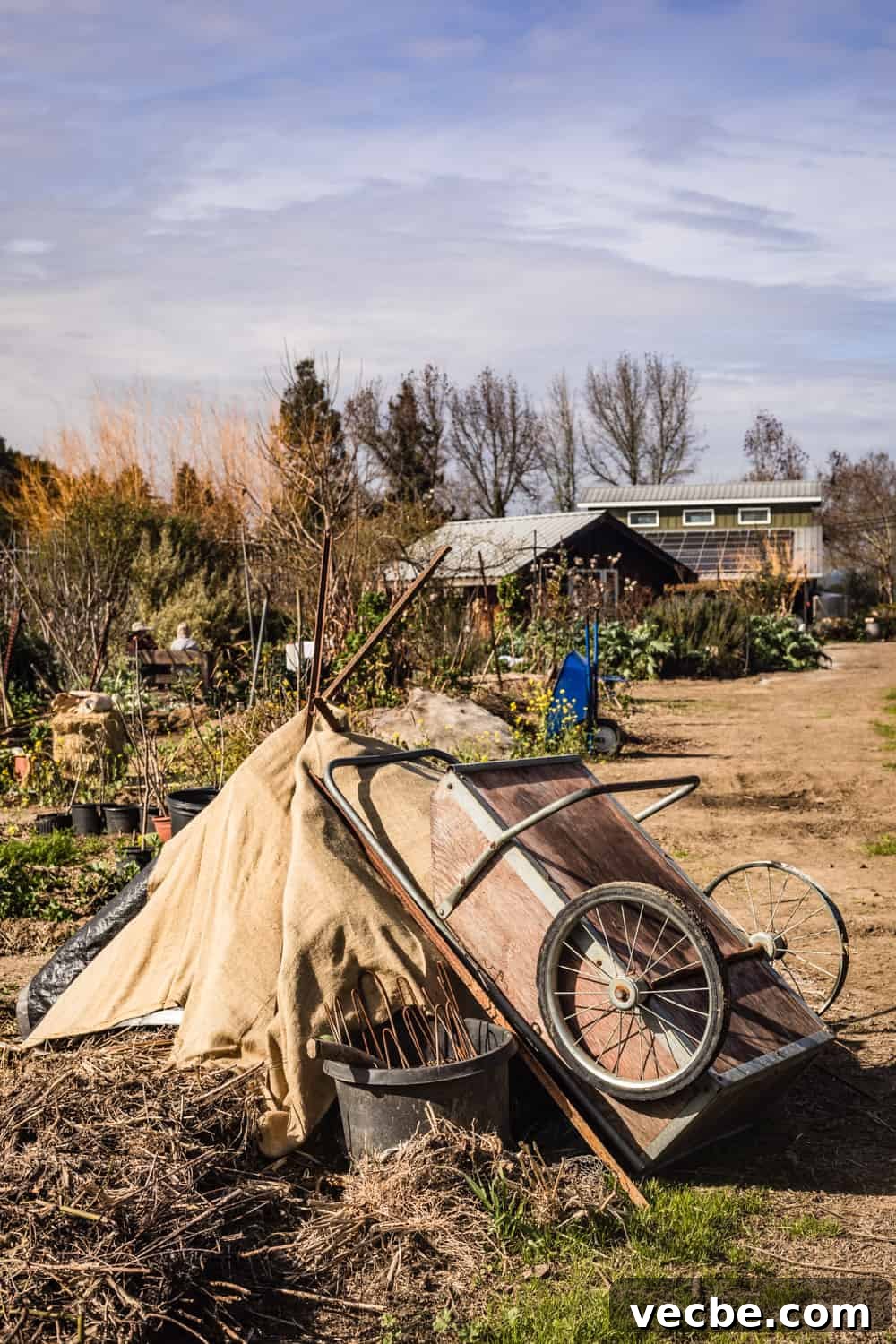
They prioritize Mediterranean varietals that belong in their climate—plants that are easier to farm and that produce balanced, expressive fruit, the foundation of great wine.
Growing varieties adapted to the local climate reduces inputs and enhances the fruit’s natural balance, which translates directly into better wines.
Davero Winemaking Practices
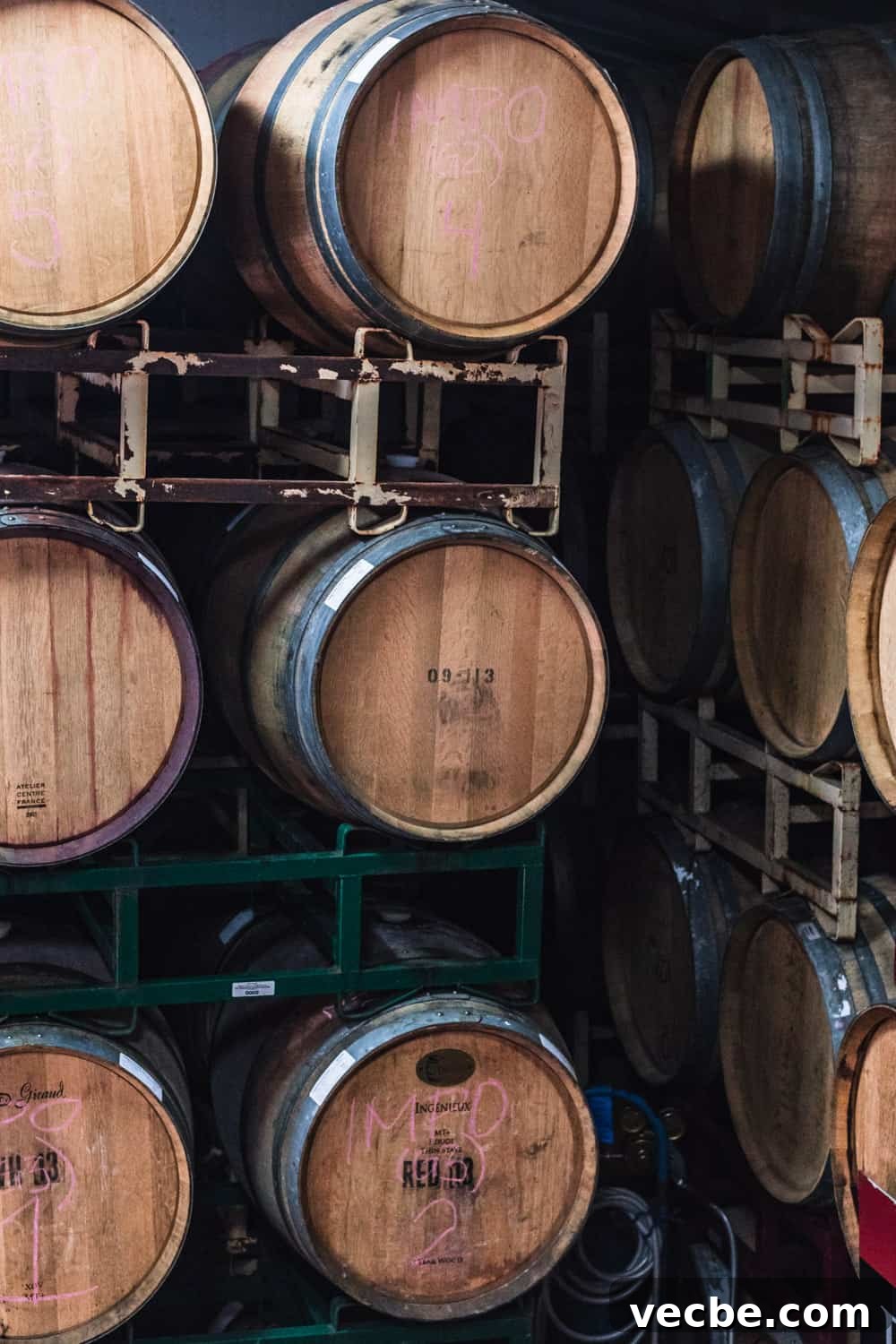
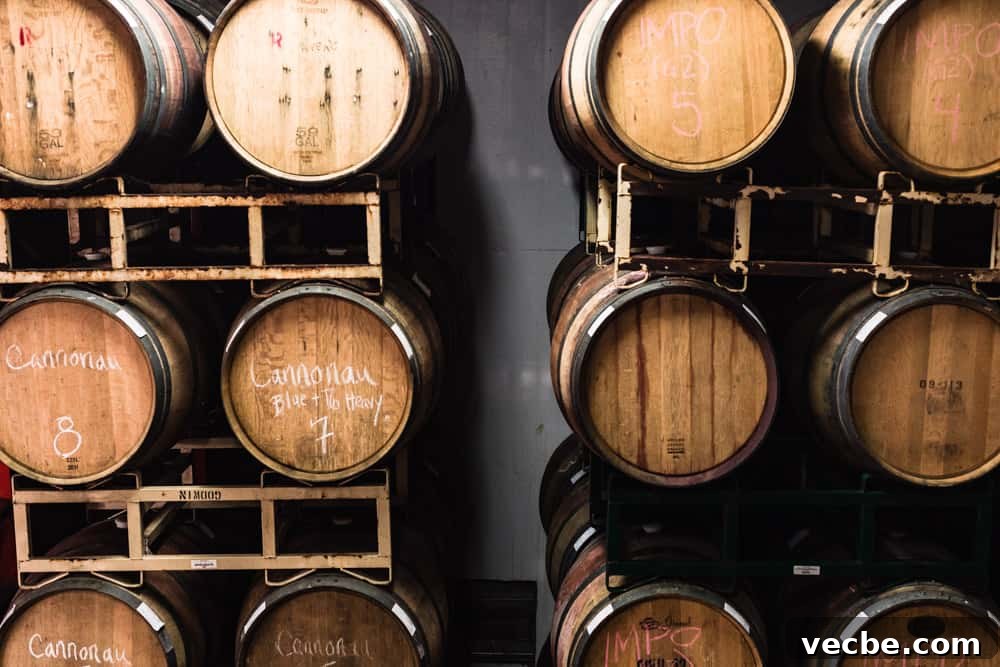
They favor traditional, natural winemaking: native yeast fermentations, aging in neutral oak, and patience to let each varietal and vintage express itself.
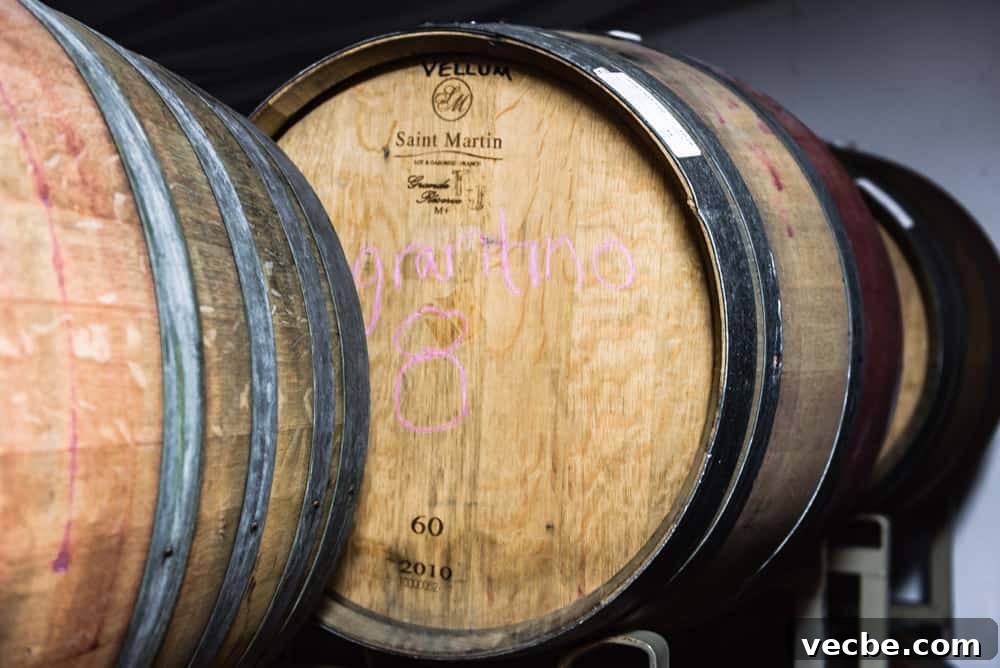
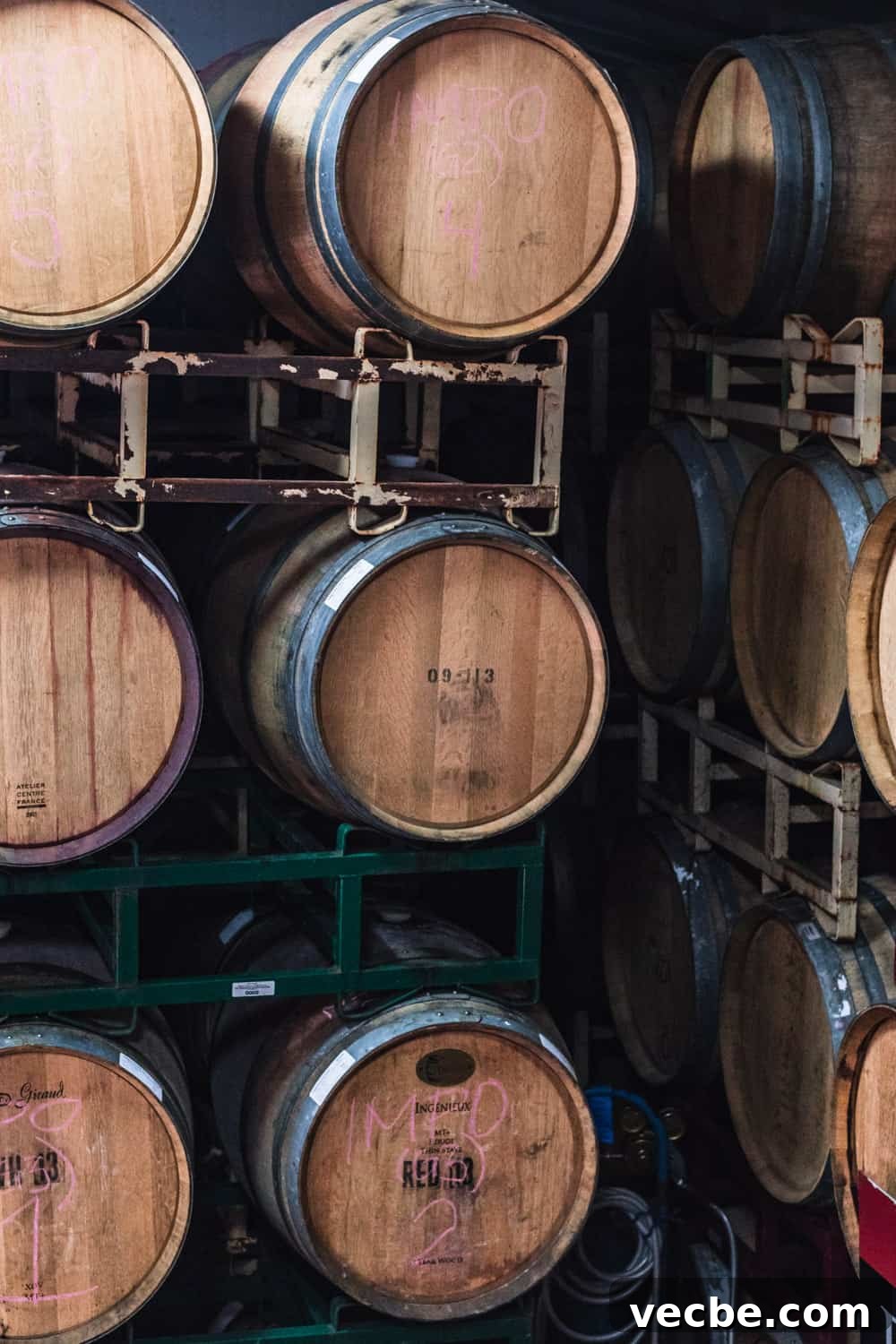
Davero ages wines in older, neutral oak to preserve the fruit and varietal character rather than masking it with new oak tannins. Their approach is straightforward: harvest by flavor, ferment with native yeasts, and age gently in neutral barrels.
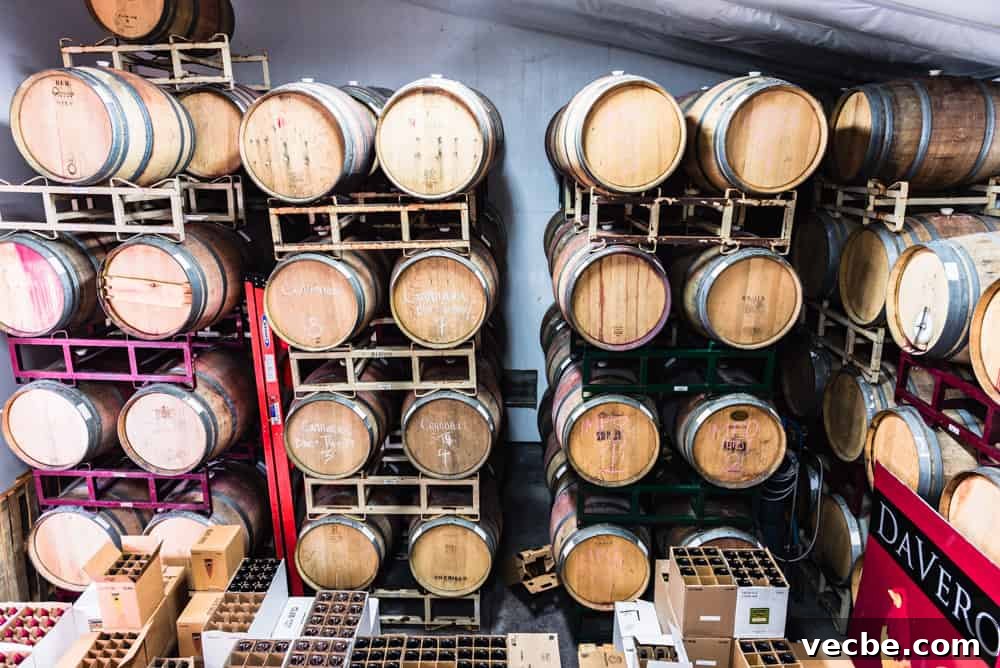
The result is a lineup of wines that reflect the distinctive character of each variety, vineyard block, and vintage.
Biodynamic Farming – what is it?
The term shows up a lot, and definitions can vary. Biodynamic agriculture began in 1924 with Rudolf Steiner’s teachings and emphasizes farming in harmony with natural rhythms. It treats the farm as an interconnected living system—soil, plants, animals, and celestial influences—and focuses on restoring and maintaining soil fertility.
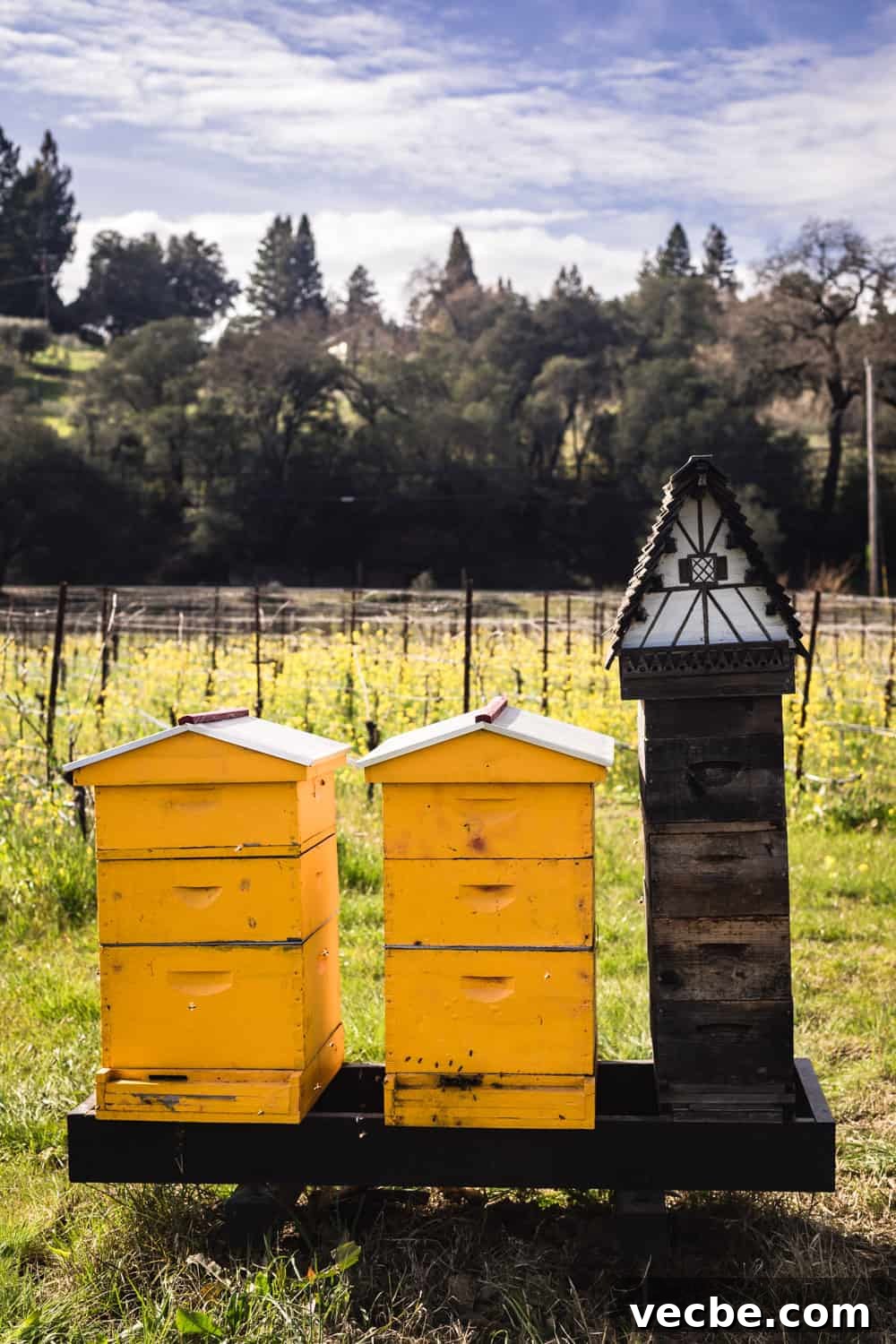
Biodynamic practices are holistic and consider on-farm diversity essential for resilience and crop quality. Davero embraces these principles, integrating animals, cover crops, orchards, and native habitats into the farm’s ecosystem.
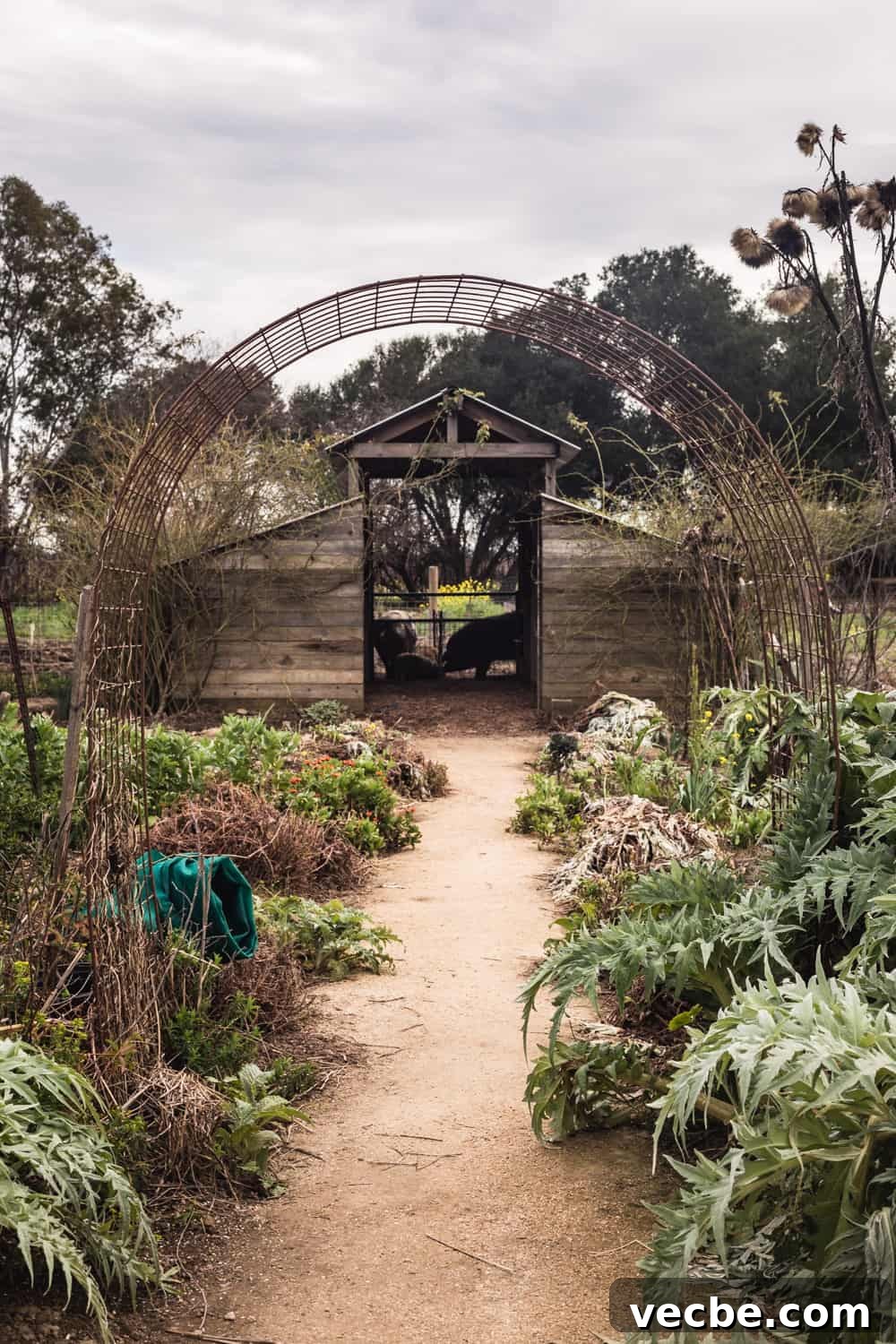
That diversity supports soil health, beneficial insects, and the overall balance of the farm—factors that contribute to healthier vines and better fruit.
What’s next?
When asked about their future vision, Davero responded: “We endeavor to be a business that is healthy for our community and our farm, one that does well by doing good. We’ve cast a broad net in the last six years and have discovered what we feel makes delicious and remarkable wines; we’ll be coalescing around those more as time goes on.”
Their plan is to refine and focus on what they do best while maintaining practices that support the land and community.
Go visit!!!
If you want to see pigs, olive groves, vineyards, and vegetables growing on a biodynamic farm while sipping natural wines, Davero is an excellent destination. The farm offers tastings, vineyard strolls, and seasonal events—perfect for anyone curious about biodynamic farming, olive oil production, and Italian varietal wines in Dry Creek Valley.
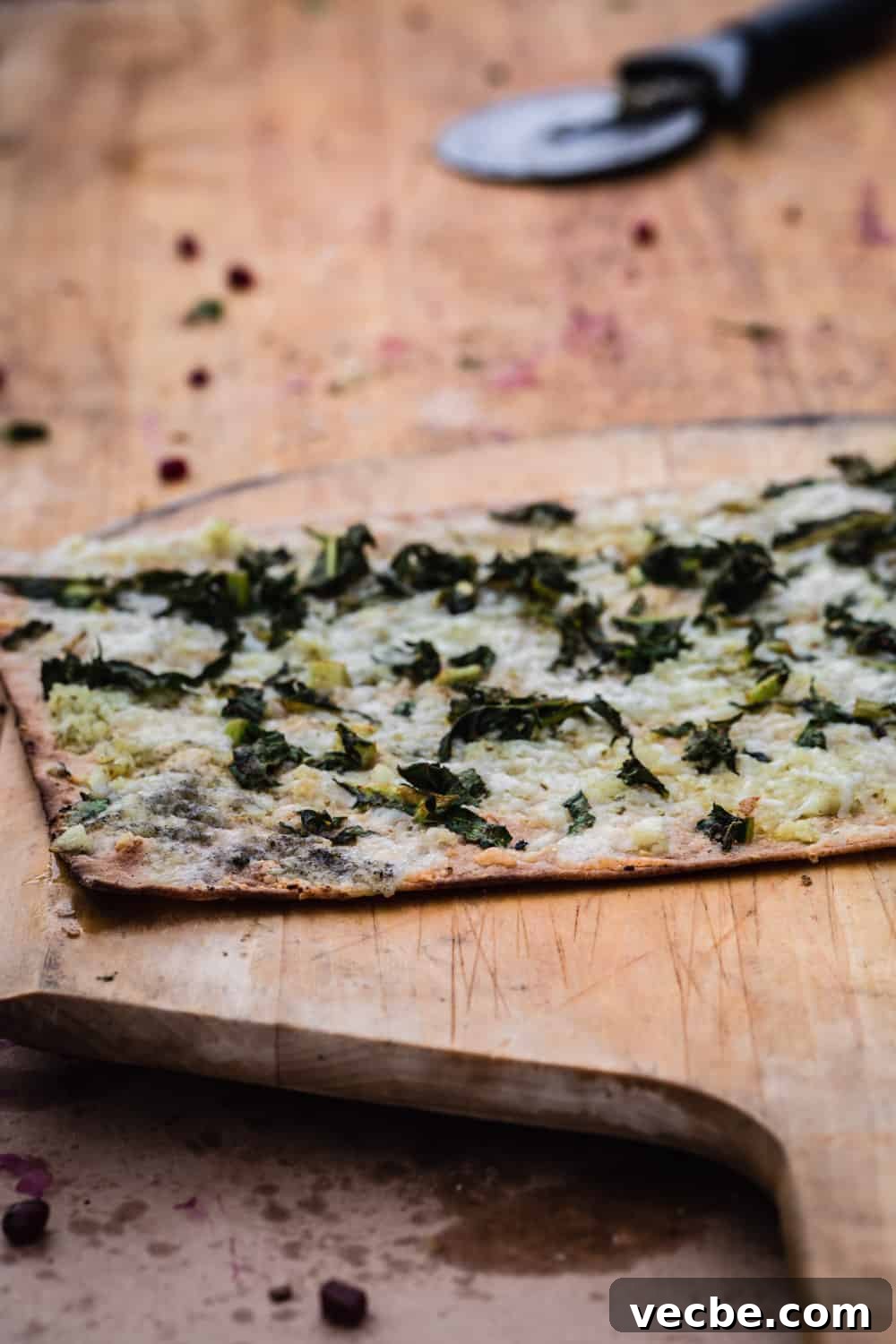
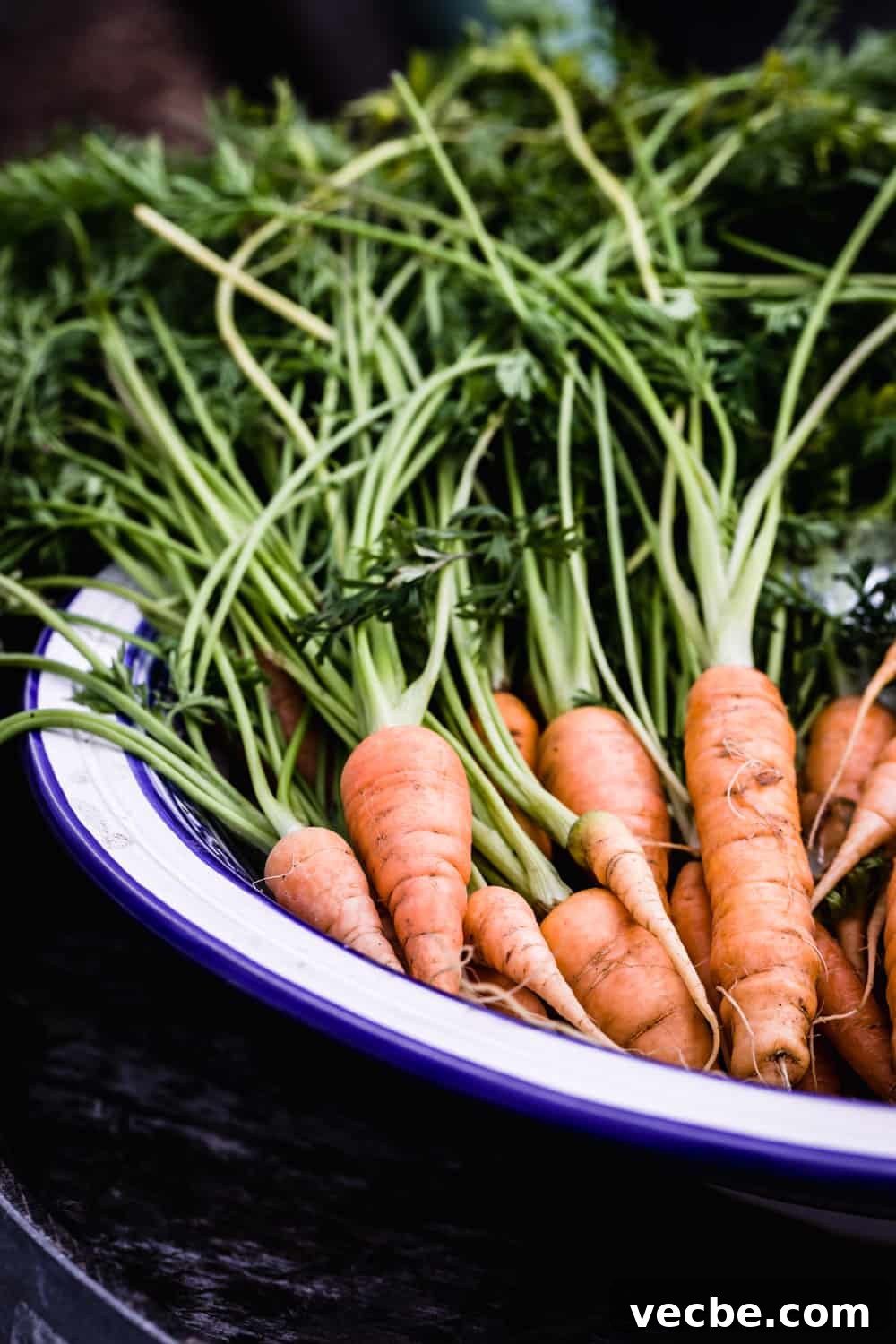
The property includes a variety of soils and terrain, from steep hillsides to valley floors. Each block is distinct and suited to particular varietals. The vineyards are intimate and surrounded by open space and woodlands—perfect for tasting, exploring, and enjoying the rural setting. Do a tasting, pick up a bottle, walk the vines, visit the pigs, and enjoy the experience.
A little behind the scenes action
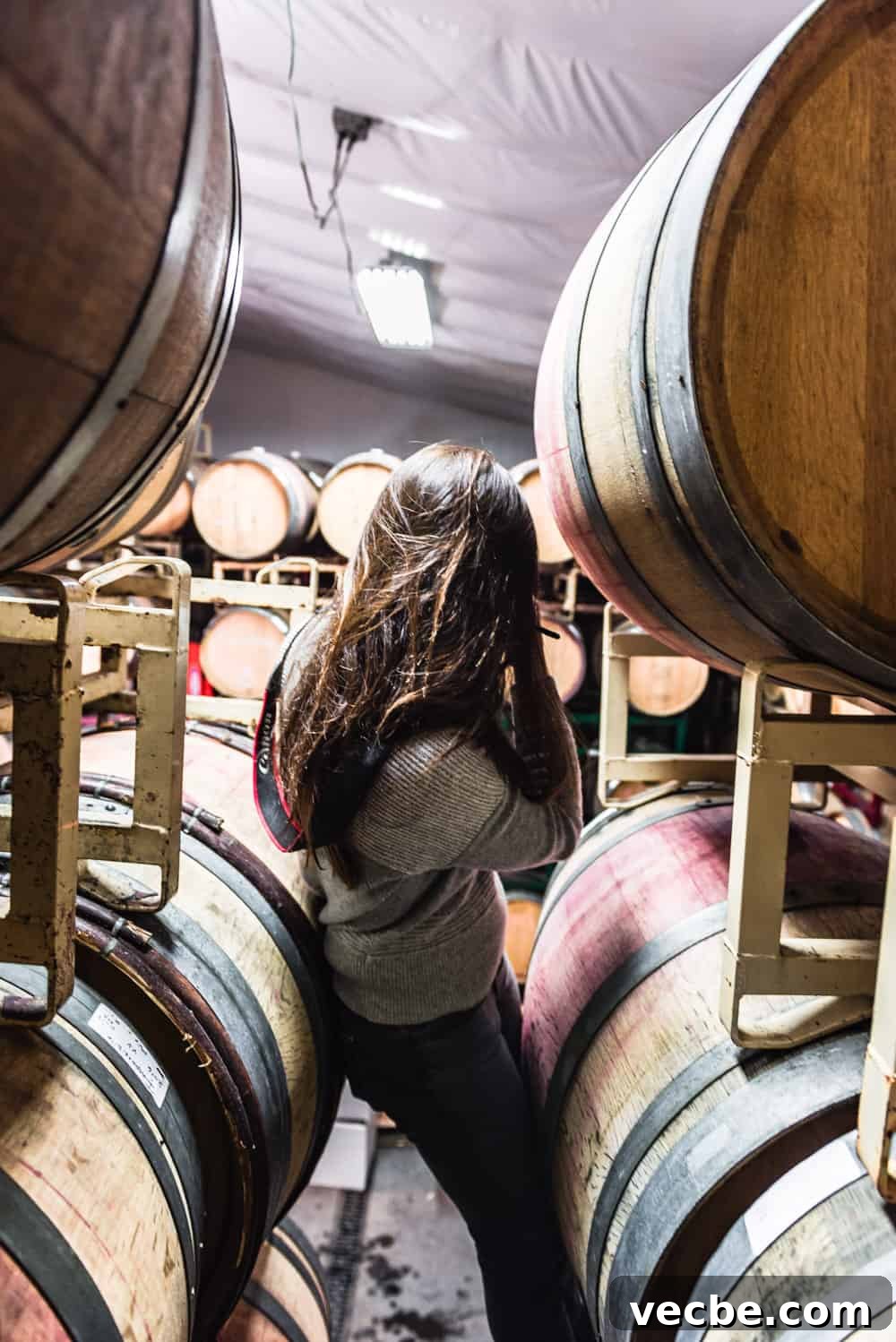
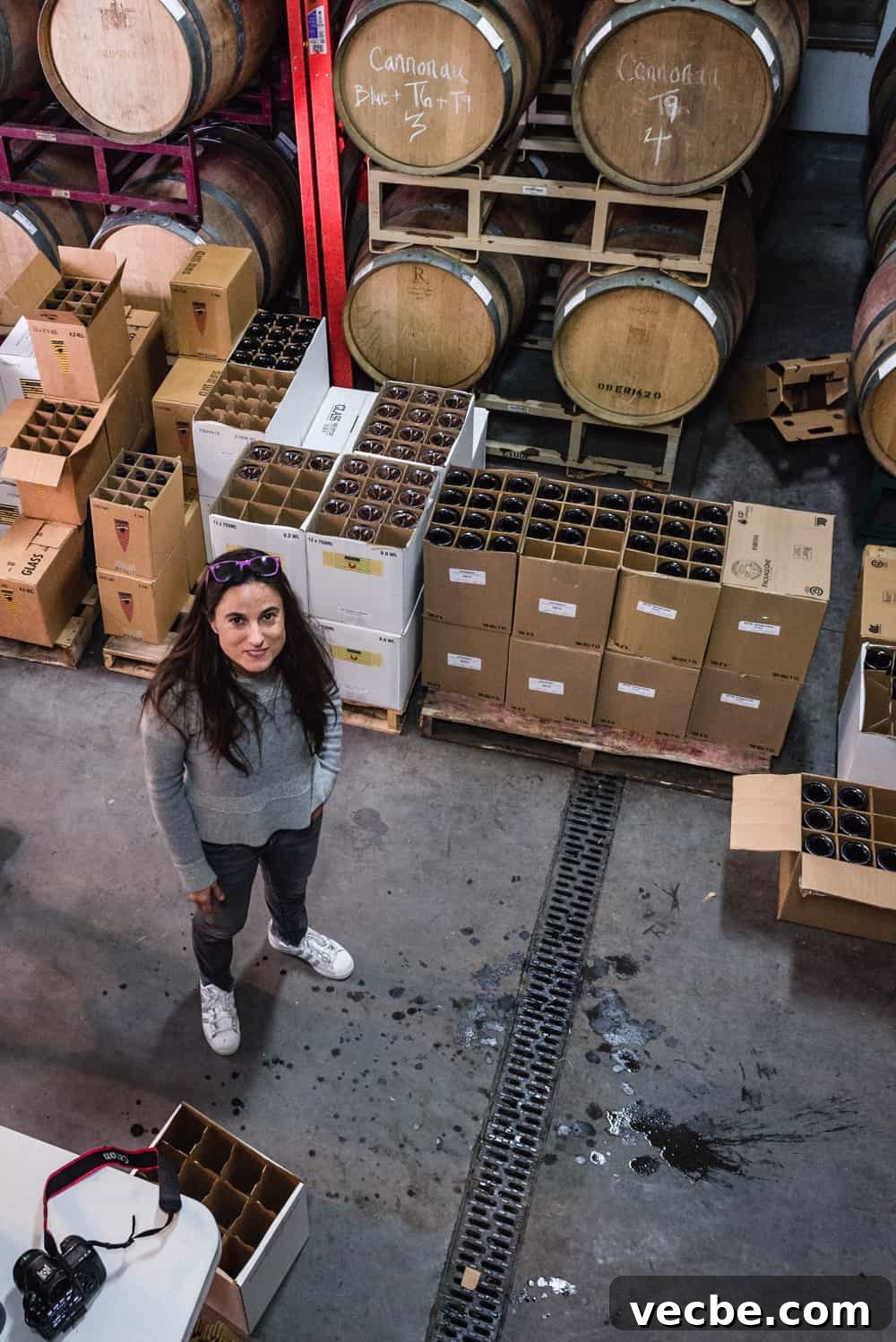
I hope you enjoyed this post. If you’ve visited Dry Creek Valley, take a photo and tag it on Instagram with #wavesinthekitchen—I’d love to see it. You can also follow me on Facebook, Instagram, and Pinterest to see more food and travel adventures.
See you drinking wine in wine country!