

I’m a light sleeper, and there’s nothing more frustrating than waking several times a night and struggling to fall back asleep. Over the years I tried many strategies, but diffusing essential oils has been one of the simplest and most effective ways I’ve found to improve sleep quality.
Essential oils work differently for everyone, and what helps one person may not help another. Still, certain oils and blends are consistently associated with relaxation and deeper sleep. Below are ten diffuser recipes I use when I want to settle down and sleep soundly.
10 Essential Oil Diffuser Recipes for Sleep

1. Dreamer’s Delight
- 5 drops of Lavender oil
- 3 drops of Vetiver oil
- 2 drops of Ylang Ylang oil
2. Snores and More
- 1 drop of Lavender oil
- 1 drop of Bergamot oil
- 1 drop of Cedarwood oil
- 1 drop of Frankincense oil
- 1 drop of Patchouli oil
- 1 drop of Vetiver oil
- 1 drop of Sweet Orange oil
3. Sleep is in the Air
- 5 drops of Lavender oil
- 3 drops of Vetiver oil
- 2 drops of Frankincense oil
- 2 drops of Cedarwood oil
- 3 drops of Geranium oil
4. Sleep and Snuggles
- 2 drops of Lavender oil
- 3 drops of Cedarwood oil
- 1 drop of Vetiver oil
- 2 drops of Bergamot oil
5. Bye, Bye Insomnia!
- 2 drops of Lavender oil
- 2 drops of Cedarwood oil
- 1 drop of Neroli or Petitgrain oil
6. Tuck in Potion
- 2 drops of Rose oil
- 1 drop of Palmarosa oil
- 2 drops of Vetiver oil
- 2 drops of Lavender oil
- 1 drop of Cedarwood oil
7. Dozing Off
- 2 drops of Tea Tree oil
- 4 drops of Lavender oil
- 2 drops of Ylang Ylang oil
8. Dream On
- 2 drops of Ylang Ylang oil
- 1 drop of Bergamot oil
- 1 drop of Roman Chamomile oil
- 1 drop of Valerian oil
- 1 drop of Lavender oil
- 1 drop of Sweet Marjoram oil
9. Nature’s Pacifier
- 3 drops of Bergamot oil
- 2 drops of Lavender oil
- 1 drop of Cedarwood oil
- 1 drop of Vetiver oil
10. Oh, Night Divine!
- 4 drops of Cedarwood oil
- 1 drop of Pine oil
- 1 drop of Cypress oil
- 1 drop of Lavender oil
All you need are a few well-chosen essential oils and a diffuser. Try one blend at a time, running the diffuser about 20–30 minutes before bedtime to allow the scent to settle. If a blend doesn’t suit you, swap one oil for another and adjust the proportions. Pay attention to how each oil affects you—some people respond strongly to certain aromas, while others notice little change.
Lavender’s Lullaby Effect
Lavender is the most commonly used oil for sleep and relaxation for a reason. Certain strains, especially Lavandula angustifolia, are known for calming and mildly sedative properties that can reduce anxiety and promote restful sleep. Other lavender varieties, such as Lavandula latifolia, can be more stimulating, so always check the Latin name on the label to choose the right type for sleep.
Lavender’s calming effects are linked to its impact on mood and nervous-system responses. When used appropriately, it can help you unwind and fall asleep more easily without the grogginess associated with many sleep medications.
Other Essential Oils That Help with Sleep
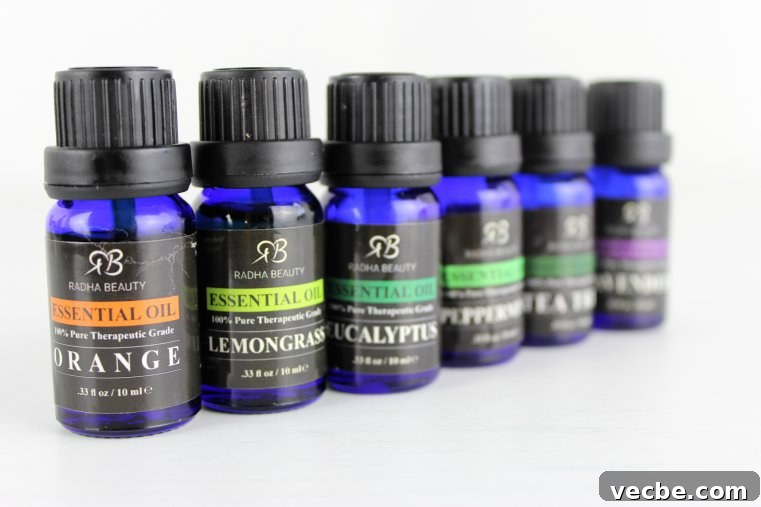
This is an original picture. Feel free to use it but please credit this page.
Alongside lavender, several other oils are commonly used to support relaxation and sleep:
Frankincense
Frankincense has a warm, resinous aroma that many find grounding. It’s often used to ease stress and create a peaceful atmosphere, which helps prepare the mind for sleep.
Cedarwood
Cedarwood’s woody scent is both comforting and stabilizing. It’s associated with relaxation and may support the body’s natural sleep processes, helping you sleep more deeply.
Bergamot
Bergamot is a citrus oil with a soft, sweet edge that can lift tension and calm the mind. It pairs well with softer floral and woody oils when you want a soothing yet slightly uplifting blend.
Scents affect the nervous system and can change mood, stress levels, and alertness. Aromatherapy uses this connection to promote relaxation, reduce anxiety, and improve sleep quality. Keep in mind that individual responses vary, so experiment responsibly and adjust blends as needed.
Why Aromatherapy?
 Aromatherapy is more than a pleasant scent. It’s a non-invasive, low-risk way to support relaxation and sleep. Many people turn to aromatherapy when they want to reduce dependence on medication or try a complementary approach to better rest.
- Aromatherapy can improve perceived sleep quality and help people relax before bed.
- It’s easy to integrate into an evening routine: diffuse a blend, take a warm bath with a few drops, or inhale a calming scent from a tissue.
- Compared with some sleep medications, aromatherapy is unlikely to leave you feeling groggy the next day.
- Because aromas influence mood and memory, a consistent bedtime scent can become a powerful cue that it’s time to wind down.
Conclusion
Try these ten diffuser recipes and note which combinations work best for you. Start with a small dose, observe how you feel, and adjust as needed. If you have respiratory issues, allergies, or are pregnant, consult a healthcare professional before using essential oils. Sweet dreams — and let me know how the blends work for you in the comments below.