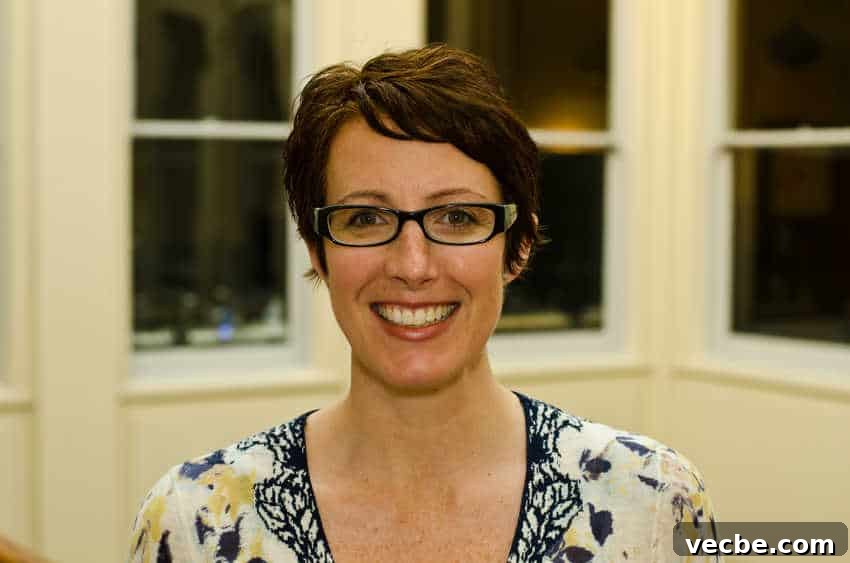
I receive countless questions about gluten free challenges, elimination diets, and food sensitivities, especially when children are involved. For parents, the hardest part is not just removing certain foods; it is finding recipes, building a realistic plan, and having the right resources to help the whole family get through the process while identifying what may be affecting their child. When I heard Gina Rau’s story and learned about her Feed Our Families blog and book, I knew I had to take a closer look. And not only because I once attended a WWF WrestleMania with her husband.
What I found was truly impressive: Gina’s book is one of the best resources I have seen for guiding children through an elimination program. It is practical, thoughtful, and designed for real families who need help with food sensitivities, behavior concerns, and everyday meals. I asked Gina to do an interview, contribute to G-Free Foodie, and, naturally, become my friend. That last part was implied, but I am pretty sure she is on board. She also shared her Slow Cooker Spiced Apple Steel Cut Oats recipe. Read on to learn more about Gina Rau, food sensitivities in children, our shared love of salted caramel, and a special discount on her book. KC
1. Food Sensitivities: How many are you working with, and what are they?
My son is highly sensitive to artificial food dyes, and we suspect he may react to other artificial ingredients as well. His reaction is so intense that he has willingly avoided them since kindergarten, even turning down candy and other treats. We always make sure to bring safe alternatives for him, which helps a lot. He is also sensitive to dairy. We removed dairy completely from his diet for more than two years. Now he can tolerate a little cheese about once every two weeks without any noticeable issues.
2. Were restlessness and ADHD-like symptoms the only reasons you took your family through elimination diets?
We first realized artificial food dyes were a major problem after my son drank a clear sports drink one day and completely lost control of his body. He was jumping, waving his arms, and moving nonstop until he finally begged me to help him stop because he could not stop on his own.
His kindergarten teacher had also noticed that he simply could not sit still, and we knew he had always been extremely active. After we spoke with our naturopath, she suggested a food challenge to see whether food sensitivities might be contributing to his activity level. We did blood tests before the food challenge, but dairy did not show up as an issue, while citrus and eggs did. In our case, those results were not accurate.
My husband has a dairy sensitivity, so it was not surprising that our son would have one too. After doing my own food challenge, I discovered that I am sensitive to gluten. Once I removed gluten from my diet, I felt so much better. The truth is that many people have a food sensitivity or intolerance, but we often ignore the signs, such as under-eye circles, inflammation, mood changes, or stomach problems. Many times, we are sensitive to the very foods we love most.
3. Are there specific ingredients you think everyone should eliminate from their diet?
In an ideal world, I would love to see everyone eating a real-food, organic diet made mostly from plant-based foods. I also know that is not realistic or possible for every family. However, I do believe artificial ingredients, especially food dyes made from chemicals in a lab, should be removed from our food system because of the harm they can cause to our most vulnerable consumers: children. Unfortunately, these ingredients are found in many foods that children love.
4. We are so excited about your book, “Is Food Impacting Your Child’s Behavior?” It is incredible. Why did you write it?
Thank you! When we started our food challenge, our naturopath told us which foods to remove for three weeks and how to reintroduce them, but we had no actual plan for what we were going to eat. I spent a huge amount of time searching online for recipes, and my husband spent what felt like days in the grocery store reading ingredient labels. We experienced the benefits of identifying what our child was sensitive to, and we wanted to help other parents do the same without all the stress of figuring everything out from scratch.
We would also love to see more families remove artificial ingredients from their children’s diets. If our family can do it, anyone can. The kid-friendly recipes in the book, including macaroni and cheese, smoothies, and Silly Dogs, which are my daughter’s favorite, make the process much easier.
5. I grew up with your husband, Justin, in Central California. How have his roots influenced your cooking?
I am fortunate to have a book of recipes from one of his grandmothers, along with some favorite recipes from his other grandmother. We have had to adjust some ingredients to fit our family’s needs, but we both love knowing that we can pass family traditions down to our children. We also point out foods connected to his grandfather’s farm, such as raisins and almonds. Those are two of my children’s favorite snacks, especially when eaten together.
6. Tell me about your food tour that included everything from McDonald’s to Whole Foods.
Yes, interviews always seem to go there! The first fifteen years of my career were spent at a few advertising agencies, working on major brands while pursuing a Madison Avenue-style career. One of those brands was McDonald’s. I am proud to have that experience on my resume because, during that time, I helped bring healthier foods to restaurants in the Northwest. We launched a Salads n’ More menu that included a veggie burger and premium salads with Newman’s Own dressing. I even got to meet Paul Newman. I felt like I had a positive impact on the food being offered. After that, I went straight from McDonald’s to working on a local grocery account, where I helped tell the stories of the local growers they purchased food from. That work connected with me on a much deeper level.
7. If we opened your pantry right now, what would we find?
We just went to the market today, so you would find trail mix, salad toppings like dried cranberries and sunflower seeds, lots of gluten free flours, Pacific Foods lentil soup, several types of dried beans, chickpeas for hummus, Mom’s Natural cereals, and Bob’s Red Mill popcorn, steel cut oats, and bread mix. We also went to the farmers market this weekend, so we have Hood strawberries, which I think are the best in the world, along with beets, rainbow chard, and lettuce for salads this week.
8. What is your favorite food indulgence?
I have a very hard time saying no to almost anything with salted caramel. I also love a good chai latte.
9. After a long day, what is your favorite easy meal?
We plan our meals each week, so it is rare that I am stuck trying to figure out what is for dinner at the last minute. We also use our slow cooker a lot because I have learned that, after a long workday, I often do not have enough energy left to cook a full meal from scratch. My kids also love what we call Snack Lunch, or sometimes Snack Dinner. It is basically a mix of whatever we have on hand that can become a meal. As long as we include the basics, such as a protein, a grain, and a fruit or vegetable, they get to choose what they want. They love it, and it is incredibly easy.
10. Anything else we should know or mention?
Thank you for helping us spread the word about our book. We really want to help more parents who are trying to understand food sensitivities, elimination diets, artificial ingredients, and how food may be affecting their child’s behavior. Every share helps. We would love to offer your community a 50% discount on the book for the next week. Just use coupon code: gfreefoodie through June 10. The guidebook includes a three-week meal plan, the recipes you need, and many extra tips to help families get started.