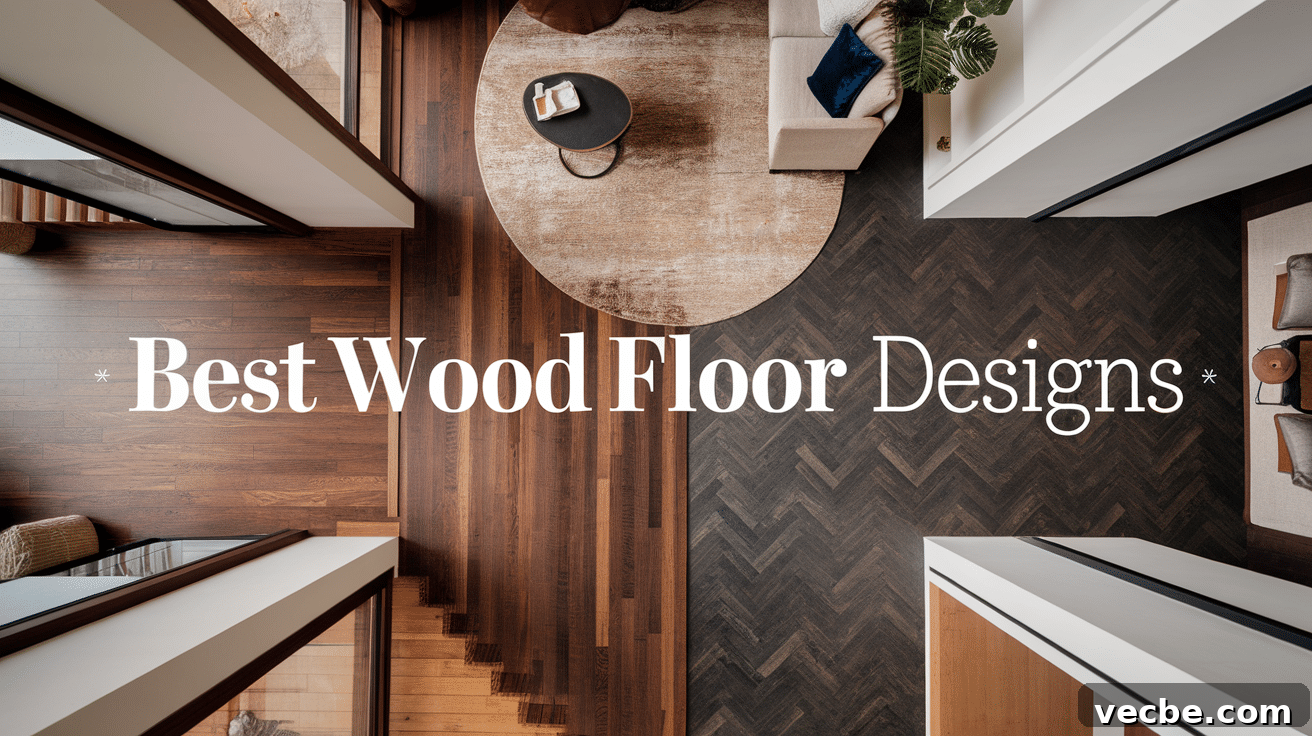
Wood floors can instantly make a home feel warmer, more welcoming, and more refined.
They are available in a wide range of styles, from simple traditional planks to detailed geometric patterns, so there is a wood flooring design for almost every taste and interior style. Some designs create a cozy and natural look, while others bring a sleek, modern feel to the room.
Popular patterns such as herringbone and chevron add elegance and movement, while wide planks and reclaimed wood create a more organic, rustic appearance.
Light-colored wood floors can make a room feel brighter and more spacious, while darker stains add depth, richness, and warmth. With so many choices available, selecting the right wood floor design can feel overwhelming.
This guide explores some of the best wood floor designs for your home, including their advantages, disadvantages, and ideal applications. The right flooring can completely change the mood of a room and help create a space that feels balanced, stylish, and comfortable.
Whether you are updating one room or planning new flooring throughout your entire home, choosing the right wood floor can make a lasting difference.
Keep reading to discover the best wood flooring ideas for your space.
Why Choose Wood Floors?
Wood flooring remains one of the most popular choices for homeowners because it combines beauty, strength, and long-term value. It works well in many types of interiors and can suit both classic and contemporary homes.
- Durability: High-quality wood floors can last for decades when properly cared for.
- Easy maintenance: Regular sweeping and occasional damp mopping help keep wood floors looking clean and polished.
- Versatility: Wood flooring pairs well with traditional, rustic, modern, coastal, and minimalist interiors.
- Value addition: Wood floors can improve the overall appeal and resale value of a home.
- Eco-friendliness: Many wood floors are available in sustainable, reclaimed, or responsibly sourced options.
Before choosing a wood floor design, think about your room size, home style, lifestyle, budget, and the amount of foot traffic the floor will receive. Below are some of the best wood floor designs to consider.
Best Wood Floor Designs for Your Home
1. Classic Hardwood Planks
Classic hardwood plank flooring is one of the most widely used and timeless wood floor designs.
It is made from long wooden boards that may vary in width, finish, color, and wood species.
Common hardwood options include oak, maple, walnut, and cherry, each offering its own grain pattern and natural character.
Hardwood planks provide a clean, natural look that works well in almost any room and complements many decorating styles.
Advantages
- Timeless appeal: Classic hardwood planks never go out of style and suit both old and new homes.
- Durability: Hardwood is strong and can last for many years with proper maintenance.
- Variety of choices: Planks are available in different wood types, stains, widths, and finishes.
- Easy to refinish: Many hardwood floors can be sanded and refinished several times to remove scratches and refresh their appearance.
Disadvantages
- Expensive: High-quality hardwood planks can cost more than some other flooring materials.
- Prone to scratches and dents: Heavy furniture, pet claws, and daily foot traffic can leave visible marks.
- Sensitive to moisture: Too much moisture can cause wood to swell, warp, or become damaged over time.
Best Application
Living rooms, bedrooms, hallways, dining rooms, and other main living areas.
Why I Recommend It
Classic hardwood planks are ideal for homeowners who want a natural, durable, and stylish floor that can remain beautiful for many years. They bring warmth and comfort to almost any interior.
2. Herringbone Pattern
Herringbone flooring uses rectangular wood planks arranged in a broken zigzag pattern.
This design creates movement and visual interest, making the floor a strong feature in the room.
Herringbone wood flooring was once common in elegant European homes, but it is now a popular choice in both traditional and modern interiors.
Advantages
- Visually appealing: The distinctive pattern creates a refined and eye-catching floor design.
- Illusion of space: The angled layout can help smaller rooms feel more open.
- Increases property appeal: Herringbone floors add sophistication and can make a home feel more upscale.
Disadvantages
- Higher installation cost: The pattern requires skilled installation and careful planning.
- Time-consuming: It usually takes longer to install than standard plank flooring.
- Can look busy in small rooms: In a compact or crowded space, the pattern may feel overwhelming.
Best Application
Entryways, dining rooms, large open spaces, formal rooms, and modern interiors.
Why I Recommend It
Herringbone flooring is a great choice for homeowners who want an elegant wood floor design that feels classic, stylish, and memorable.
3. Chevron Wood Flooring
Chevron wood flooring is similar to herringbone, but the planks are cut at an angle so they meet in a continuous V-shaped pattern.
This creates a cleaner and more seamless look that guides the eye across the room.
Chevron floors can give a space a luxurious and modern appearance while still keeping the natural beauty of wood.
Advantages
- Modern and elegant: Chevron flooring adds a sleek and high-end look to the home.
- Creates flow: The continuous pattern can make a room appear longer and more spacious.
- Works with different wood types: Chevron designs can be created using various wood shades and species for a custom effect.
Disadvantages
- Expensive installation: Precise cutting and placement increase labor and material costs.
- Hard to repair: Replacing a damaged section can be difficult without disturbing the pattern.
- Not ideal for small rooms: The sharp angles may feel too active in tight spaces.
Best Application
Luxury homes, modern apartments, formal rooms, and high-end interiors.
Why I Recommend It
Chevron flooring is perfect for homeowners who want a sophisticated wood floor that makes a strong design statement.
4. Wide Plank Flooring
Wide plank flooring uses broader wooden boards, usually 5 inches wide or wider.
This design highlights the grain, knots, and natural texture of the wood, creating a relaxed and open feel.
Wide plank wood floors are often used in rustic homes, farmhouses, lofts, and modern minimalist spaces.
Advantages
- Fewer seams: Wider boards create a smoother and less busy floor surface.
- Showcases natural wood beauty: The larger planks highlight knots, grain patterns, and texture.
- Makes spaces feel larger: Wide planks work especially well in open-plan areas and large rooms.
Disadvantages
- Prone to expansion and contraction: Changes in humidity can cause the boards to move slightly.
- More expensive: Wider planks often use more wood and may cost more than narrow boards.
- Difficult to replace: Finding an exact match for damaged planks can be challenging.
Best Application
Farmhouses, rustic homes, lofts, open-plan living areas, and spacious rooms.
Why I Recommend It
Wide plank flooring is ideal for homeowners who want a warm, natural, and uncluttered wood floor design with fewer seams.
5. Parquet Wood Flooring
Parquet flooring is made from small wooden pieces arranged in geometric patterns such as squares, diamonds, triangles, or more detailed layouts.
This style was common in classic European interiors and has become popular again because of its artistic and decorative appearance.
Advantages
- Adds visual interest: The patterns create a stylish and sophisticated floor.
- Customizable: Parquet floors are available in traditional and modern designs.
- Increases property appeal: A well-installed parquet floor can make a room feel elegant and distinctive.
Disadvantages
- Expensive: The detailed design and labor-intensive installation can increase the cost.
- Difficult to install: Professional skill is usually needed to create a precise and balanced pattern.
- Harder to refinish: The small wood pieces can make sanding and refinishing more complicated.
Best Application
Traditional homes, vintage-style interiors, formal dining rooms, offices, and elegant living spaces.
Why I Recommend It
Parquet flooring is a great option for homeowners who want a unique wood floor design with artistic detail and classic charm.
6. Reclaimed Wood Flooring
Reclaimed wood flooring is made from recycled wood taken from old buildings, barns, factories, or other previous structures.
This flooring is valued for its aged look, natural imperfections, and sustainable appeal.
Advantages
- Eco-friendly: Reclaimed flooring gives old wood a new purpose and reduces waste.
- Full of character: Every plank may feature unique grain, knots, marks, and texture.
- Highly durable: Older wood can be dense and strong, making it suitable for long-term use.
Disadvantages
- Expensive: Sourcing, cleaning, and refinishing reclaimed wood can increase the price.
- May contain imperfections: Cracks, nail holes, stains, or marks may be visible.
- Limited supply: Finding matching planks later can be difficult if repairs are needed.
Best Application
Rustic homes, farmhouses, industrial interiors, and spaces with vintage character.
Why I Recommend It
Reclaimed wood flooring is perfect for homeowners who love rustic style and want an eco-friendly floor with history, texture, and personality.
7. Distressed Wood Flooring
Distressed wood flooring is designed to look aged, worn, and weathered.
It may feature intentional scratches, dents, softened edges, and textured surfaces that create a relaxed, lived-in feel.
Advantages
- Hides wear and tear: Scratches and small marks blend into the design, making it suitable for busy homes.
- Rustic charm: Distressed wood adds warmth, character, and a cozy atmosphere.
- Low maintenance: Because the floor already looks aged, minor damage is less noticeable.
Disadvantages
- Not ideal for every modern home: This style works best in rustic, vintage, or casual interiors.
- Can feel rough: Some distressed floors have an uneven texture underfoot.
- Limited style options: Distressed finishes may be available in fewer colors and wood types.
Best Application
Country-style homes, cottages, rustic interiors, and cozy living spaces.
Why I Recommend It
Distressed wood flooring is a smart choice for homeowners who want a warm, relaxed style and a floor that hides everyday wear.
8. Gray-Washed Wood Floors
Gray-washed wood floors have a soft gray tone that gives a room a calm, modern, and sophisticated look.
This style is especially popular in coastal, Scandinavian, and minimalist interiors.
Advantages
- Trendy and stylish: Gray-washed floors create a clean and contemporary appearance.
- Works well with many colors: The neutral tone pairs nicely with both light and dark décor.
- Brightens up a room: Lighter gray tones can reflect light and make spaces feel open and airy.
Disadvantages
- Can look cold: Gray tones may not suit homeowners who prefer warm-colored floors.
- Trendy, not always timeless: This look may feel less classic than natural wood tones over time.
- Shows dirt and dust easily: Regular cleaning may be needed to maintain a fresh appearance.
Best Application
Coastal homes, Scandinavian interiors, minimalist rooms, and modern living spaces.
Why I Recommend It
Gray-washed wood floors are ideal for homeowners who want a bright, airy, and modern flooring style.
9. Dark-Stained Wood Floors
Dark-stained wood floors feature rich, deep tones such as espresso, walnut, and mahogany.
They add depth, drama, and elegance to a home and can create a beautiful contrast with light-colored walls, rugs, and furniture.
Advantages
- Elegant and luxurious: Dark floors create a high-end and sophisticated look.
- Hides stains well: Some spills and marks may be less noticeable than on lighter floors.
- Works well in large spaces: Dark wood adds warmth and definition to open areas.
Disadvantages
- Shows dust and pet hair: Dark floors often need frequent cleaning to look their best.
- Can make small rooms look smaller: Dark colors absorb light and may make compact rooms feel tighter.
- Scratches are more noticeable: Light-colored scuffs can stand out against a dark finish.
Best Application
Formal spaces, large rooms, contemporary homes, and classic interiors.
Why I Recommend It
Dark-stained wood floors are perfect for homeowners who want a rich, elegant floor that works with both modern and traditional décor.
10. Mixed-Width Planks
Mixed-width flooring uses planks of different sizes to create a more natural and custom appearance.
This design adds movement and character, making the floor feel less uniform and more handcrafted.
Advantages
- Adds a custom look: The mix of plank widths creates a unique, one-of-a-kind floor.
- Feels more natural: It can resemble older hand-cut wood flooring styles.
- Great for rustic or bohemian styles: Mixed-width planks work well in relaxed and creative interiors.
Disadvantages
- More complex installation: The layout requires planning to balance the different plank sizes.
- May not suit every style: It works best in rustic, vintage, or casual homes rather than very sleek interiors.
- Difficult to replace: Matching different plank widths later can be challenging.
Best Application
Country-style homes, bohemian interiors, rustic rooms, and character-filled spaces.
Why I Recommend It
Mixed-width planks are a great choice for homeowners who want a wood floor with charm, personality, and a custom feel.
11. Whitewashed Wood Floors
Whitewashed wood floors feature a light, faded finish that creates a soft and relaxed appearance.
This style is popular in coastal homes, Scandinavian interiors, and modern minimalist spaces.
Advantages
- Brightens a room: Whitewashed floors can make small or dark rooms feel larger and airier.
- Hides scratches well: The pale finish can help conceal minor wear and tear.
- Works with many styles: It complements coastal, farmhouse, Scandinavian, and casual modern interiors.
Disadvantages
- Can look washed out: If the room is not styled carefully, the floor may feel too pale.
- May require more maintenance: Light-colored floors can show dirt and marks more easily.
- Not ideal for traditional homes: This look usually suits modern and relaxed spaces better.
Best Application
Coastal homes, minimalist interiors, bright rooms, and airy open spaces.
Why I Recommend It
Whitewashed wood floors are a great option for homeowners who want a light, fresh, and relaxed flooring design.
Factors to Consider Before Choosing a Design
Before selecting a wood floor design, consider how the flooring will look, feel, and perform in your home.
- Room size: Lighter wood can make small rooms feel bigger, while darker wood can make large rooms feel warmer and more intimate.
- Home style: Choose a wood flooring design that matches the overall style of your home and décor.
- Traffic levels: Busy areas need durable wood and finishes that can handle regular use.
- Budget: Wood species, plank size, finish, and installation complexity can all affect the total cost.
How to Maintain Wood Floors
Proper care helps wood floors stay beautiful and last longer. Follow these simple maintenance tips:
- Sweep or vacuum regularly: Remove dust, grit, and dirt that can scratch the surface.
- Use a damp mop: Avoid soaking the floor, as too much water can damage wood.
- Apply protective pads: Place pads under furniture legs to help prevent scratches and dents.
- Refinish when needed: Refinishing can restore shine, smoothness, and color to worn wood floors.
- Keep away from moisture: Clean spills quickly and avoid excessive humidity to help prevent warping.
Conclusion
Wood floors bring natural warmth, beauty, and style to any home.
They are practical, long-lasting, and can add character and value to a space.
In this guide, we explored many wood floor designs, from classic hardwood planks and herringbone patterns to reclaimed, distressed, gray-washed, dark-stained, and whitewashed floors.
Each design offers a different look and set of benefits. Some options are timeless and traditional, while others feel modern, artistic, or rustic.
Before making a final decision, think carefully about your room size, interior style, lifestyle, and the amount of foot traffic the area receives.
Your flooring is one of the most important design features in your home because it sets the tone for the entire room. Take time to compare different wood flooring ideas and choose a design that fits both your style and practical needs.
A well-chosen wood floor can last for many years and make your home feel more comfortable, inviting, and complete.
Use this guide to explore your options and choose a wood floor design that brings lasting beauty to your home every day.
Frequently Asked Questions
Which wood floor design is the most popular?
Classic hardwood planks are one of the most popular wood floor designs. They have a timeless look that suits many types of home décor, and their simplicity makes them a practical choice for many homeowners.
Are wood floors hard to maintain?
Wood floors are not difficult to maintain, but they do need regular care. Sweeping, vacuuming, occasional damp mopping, and refinishing when needed can help keep them looking attractive for years.
Do wood floors increase home value?
Wood floors can increase a home’s appeal and resale value because many buyers appreciate their durability, warmth, and classic appearance.
Can wood floors be installed in a small room?
Yes, wood floors can work very well in small rooms. Lighter colors, simple plank layouts, and subtle finishes can help a compact space feel brighter, larger, and more open.