
Get ready to bake with these 7 essential tips for making delicious cookies. Whether you prefer crisp edges or soft centers, these practical tips will help you get consistent, tasty results every time.
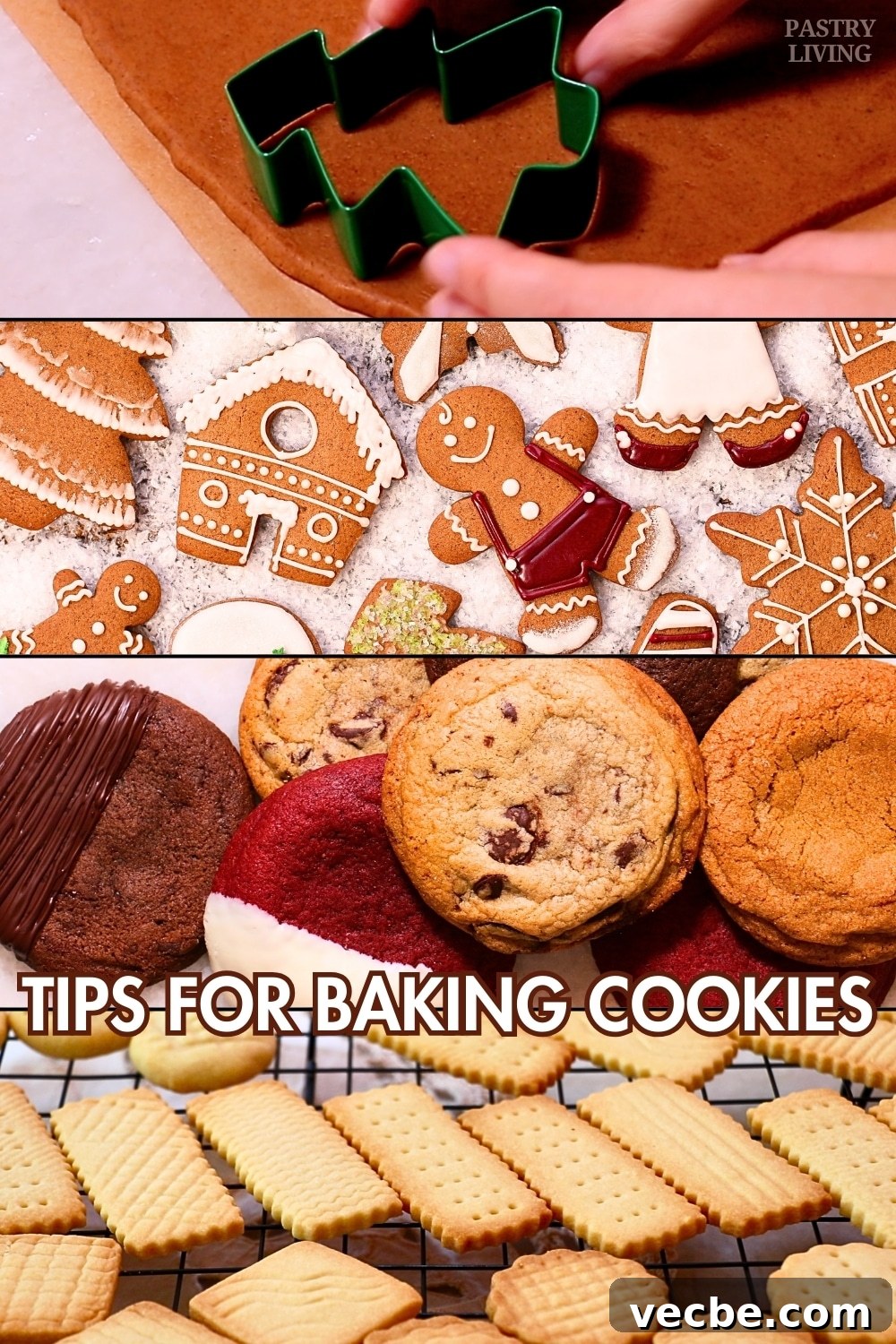
Happy Holidays!
Cookie season is here 🍪 Planning to bake this month? Below are seven tried-and-true tips I use when baking cookies for friends, gifts, or the holidays. These guidelines focus on technique and timing so your cookies look and taste their best.
Here are 7 essential tips for baking delicious cookies successfully.
Let’s jump in!
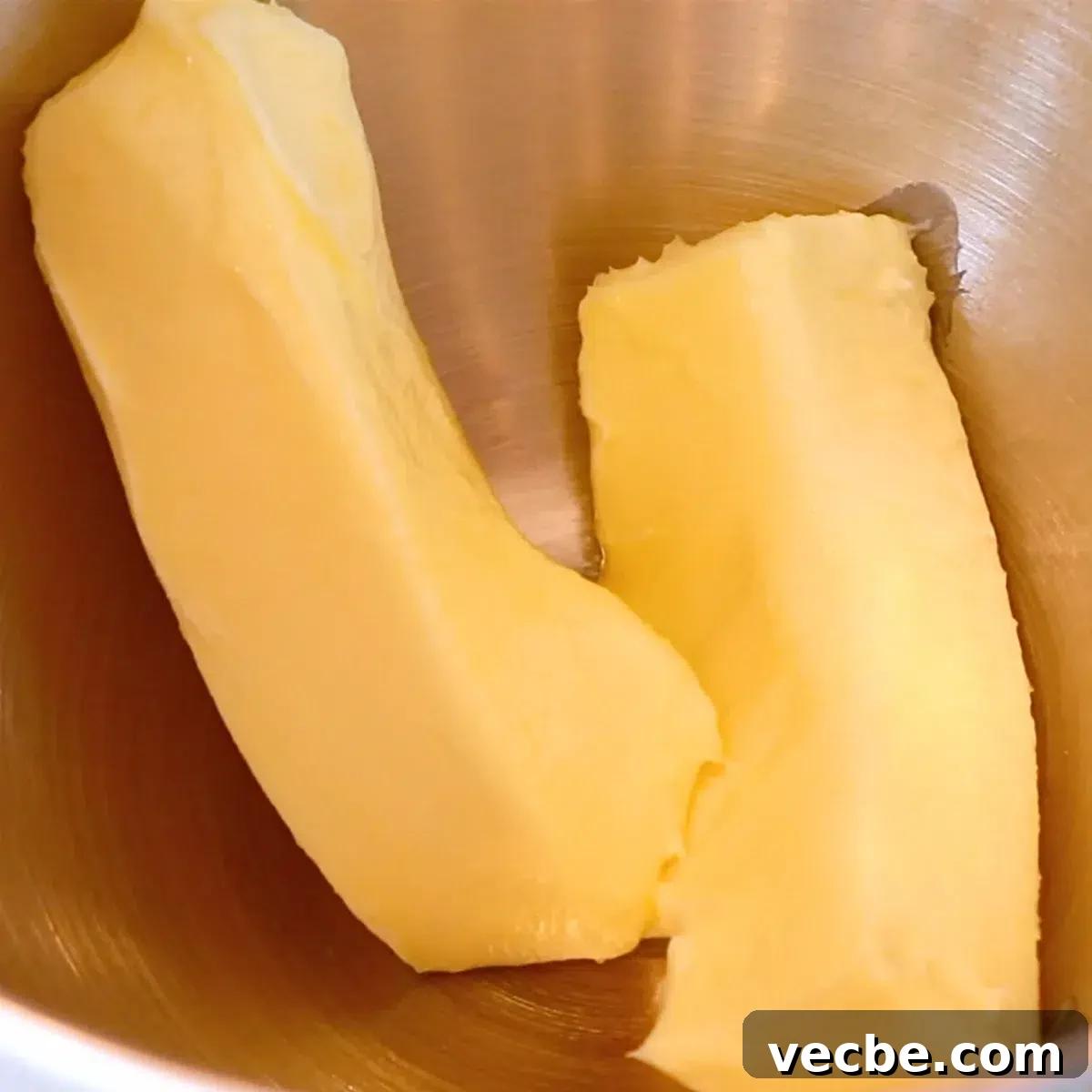
Ensure the butter is completely softened.
When a recipe calls for softened butter, bring it to room temperature in advance and confirm it is fully softened before you begin. If the butter is still partially firm, ingredients won’t incorporate smoothly and the dough can become uneven or separate. I usually leave butter out for a few hours, depending on the room temperature.
If you forget to set it out, briefly soften it in the microwave in very short bursts (about 3–5 seconds), turning the butter between bursts. The goal is pliable butter, not melted fat.
This step is unnecessary when a recipe specifies cold butter, such as recipes that rely on chilled butter for flakiness.
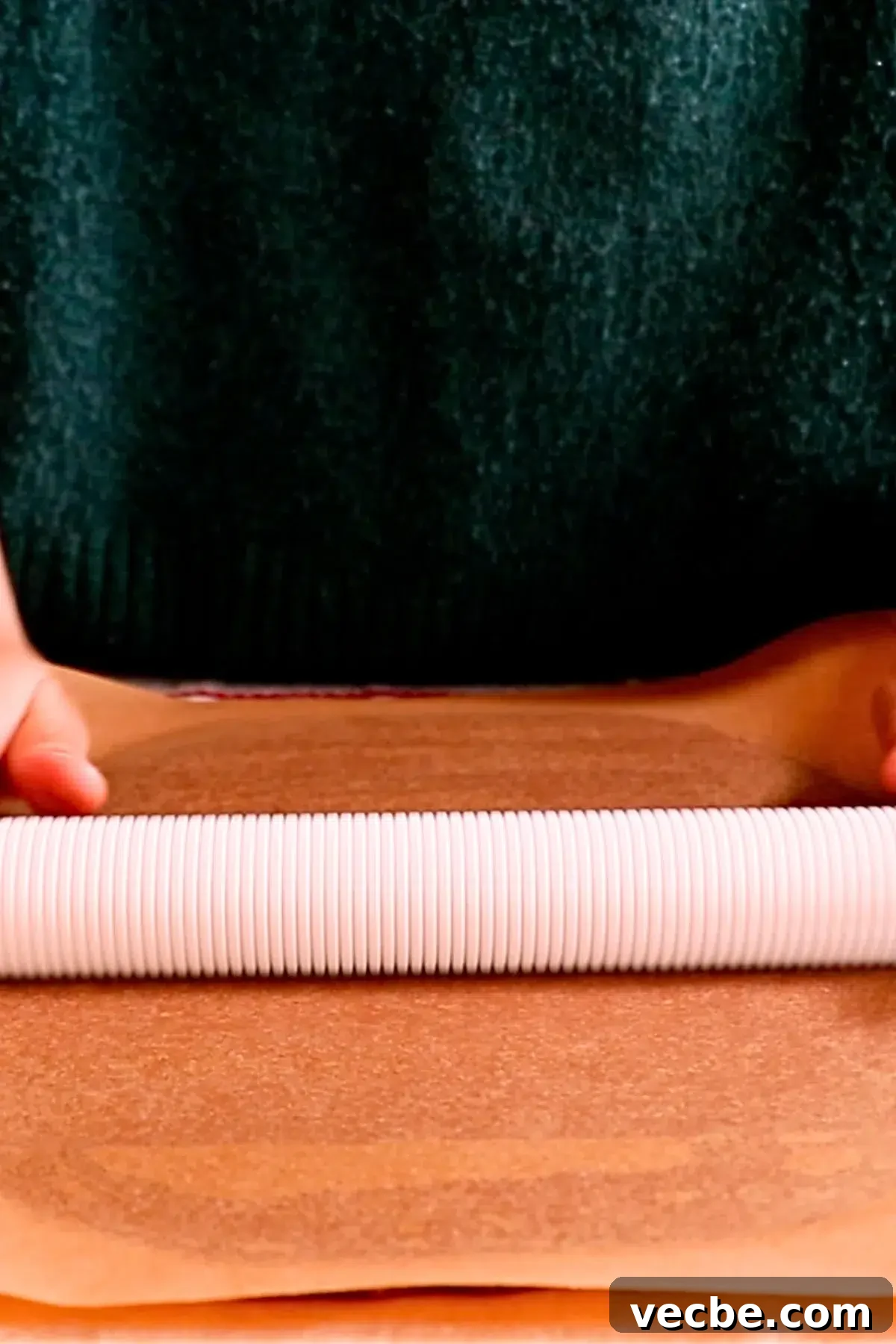
Use parchment paper to roll out the dough.
You can certainly roll dough on a lightly floured countertop, but I often sandwich it between two sheets of parchment paper. This method is tidy and reliable for cut-out cookies.
Benefits of using parchment paper:
- The dough won’t stick to the surface, simplifying rolling and transferring.
- You avoid adding extra flour, which can dry the dough and change texture.
- The cookie surface stays uniformly colored without a dusting of flour showing on top.
If you’re comfortable rolling directly on a floured surface, continue using that approach. Use whatever method gives you consistent results.
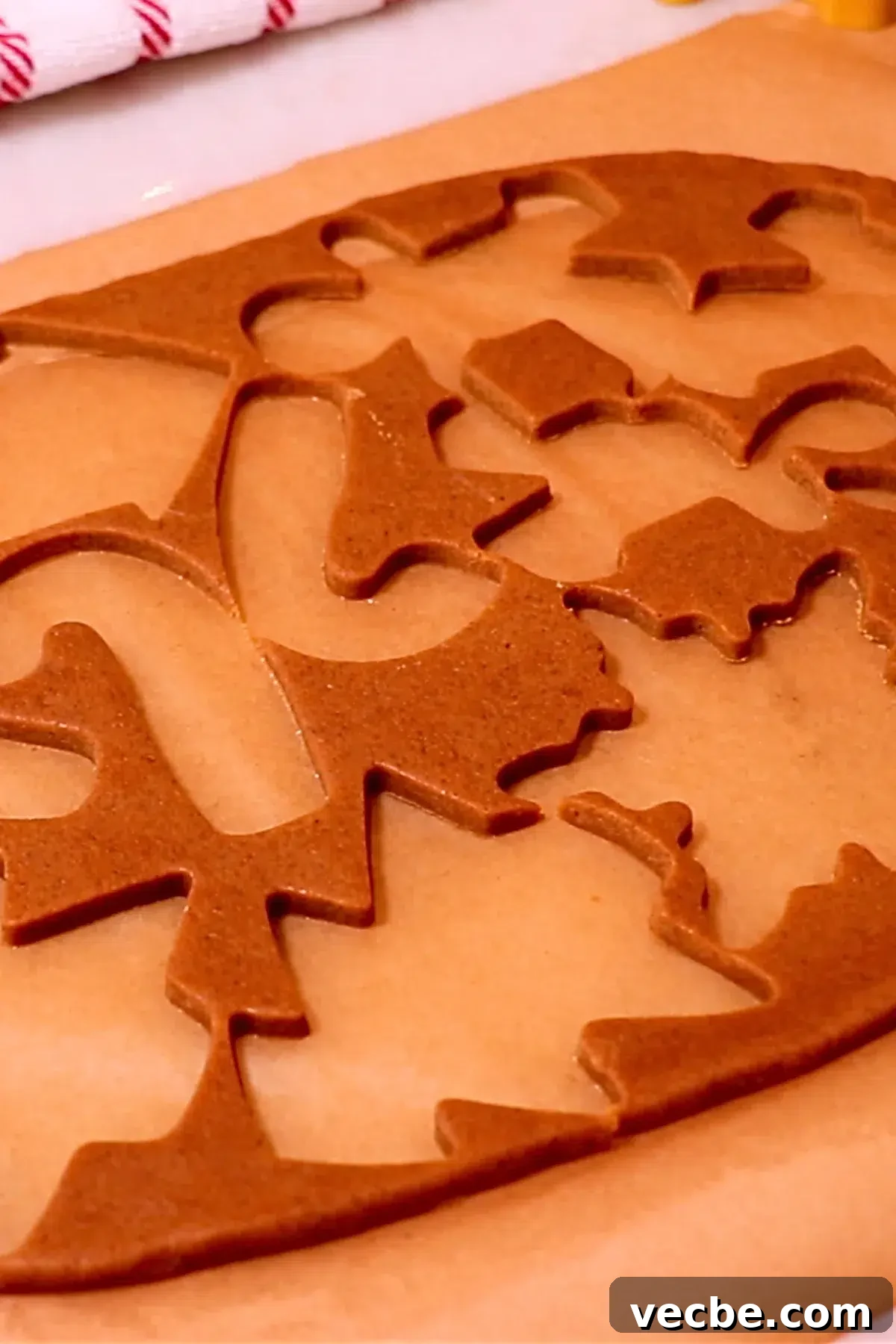
Thicker cookies spread more in the oven.
Thicker dough tends to spread wider as it bakes, so for cut-out cookies I usually roll the dough slightly thinner than 1/4 inch. The initial thickness affects final shape and edge definition.
If you want a cookie to spread—like many drop cookies—follow the recipe’s proportions and chilling instructions. For well-defined shapes, roll thinner and chill dough before baking.
Preheat the oven. (Always!)
Always preheat the oven to the recipe temperature before you bake. Even if a recipe doesn’t emphasize it, a properly preheated oven ensures even baking. Putting cookies into an oven that’s not fully preheated can make them spread unevenly or brown too slowly, affecting texture.
Allow the oven to reach temperature and stabilize for a few minutes before loading your baking sheets.
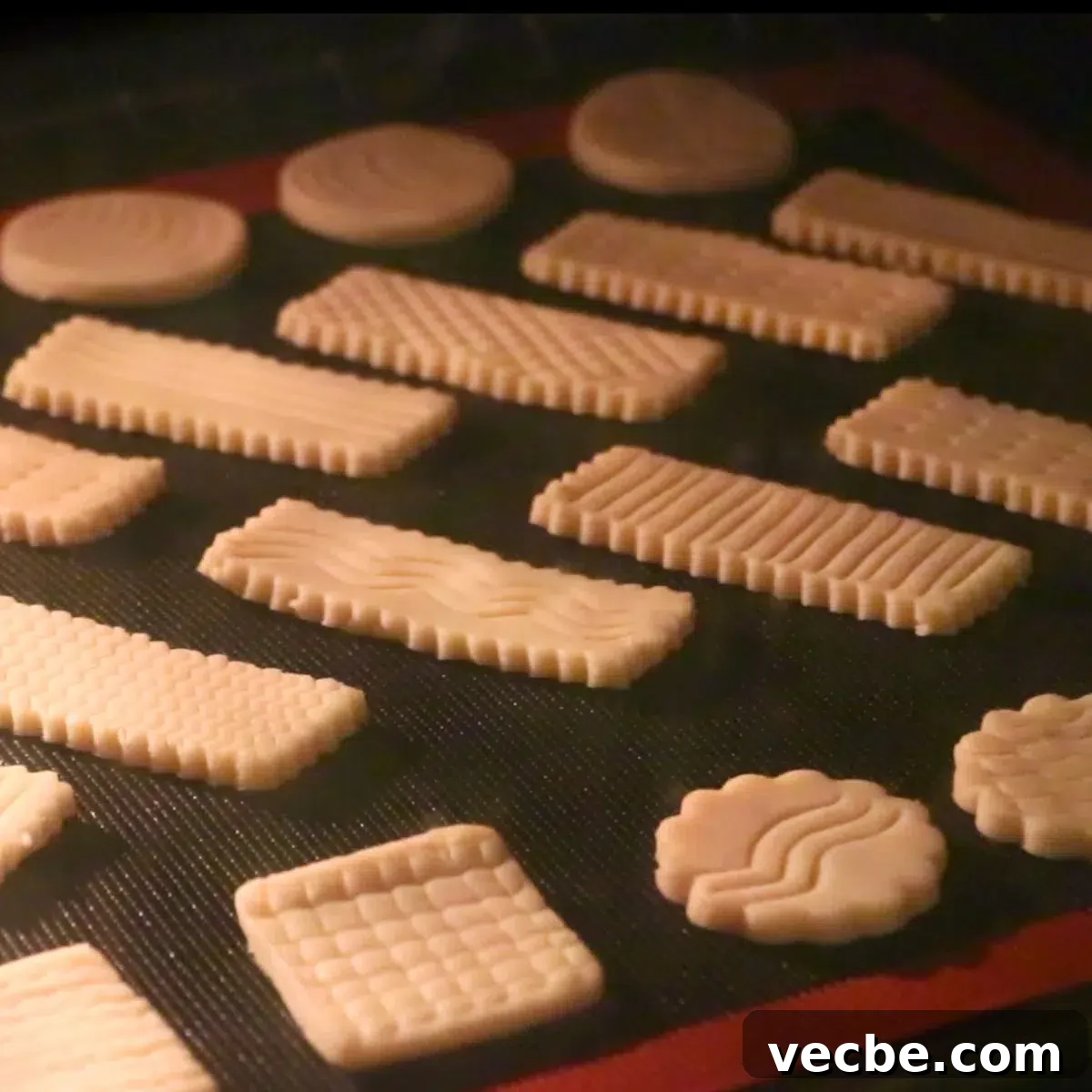
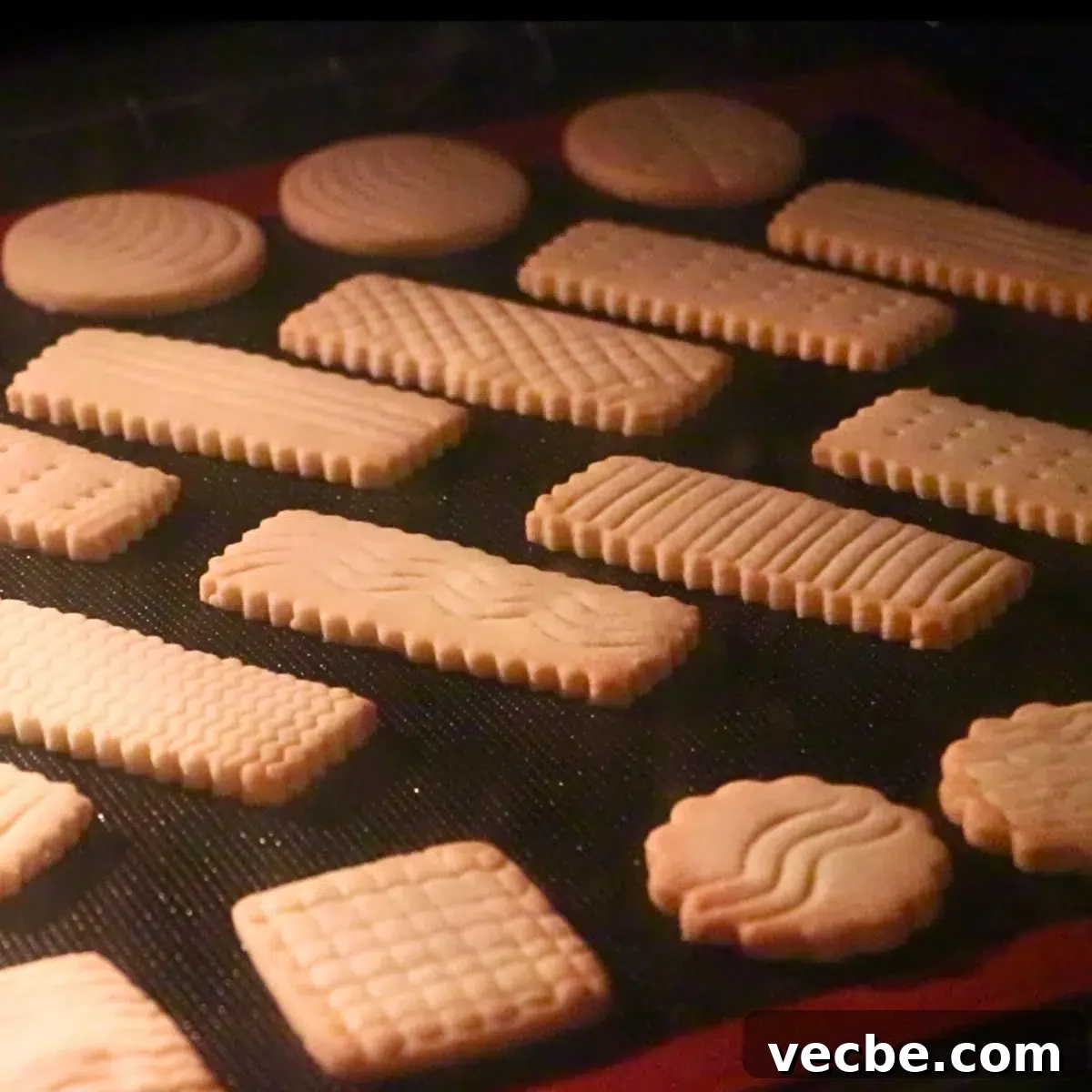
Cookies continue to brown slightly after removal.
Cookies often finish cooking from residual heat after they leave the oven. If you prefer soft, pale centers or vibrant icing colors on decorated cookies, remove them just before they reach the ideal color. They will firm up and darken a little as they cool on the pan.
For very crisp cookies, you can bake until they are a bit more browned, but for soft or decorated cookies, err on the side of slightly underbaking.
Make dough ahead and freeze to save time.
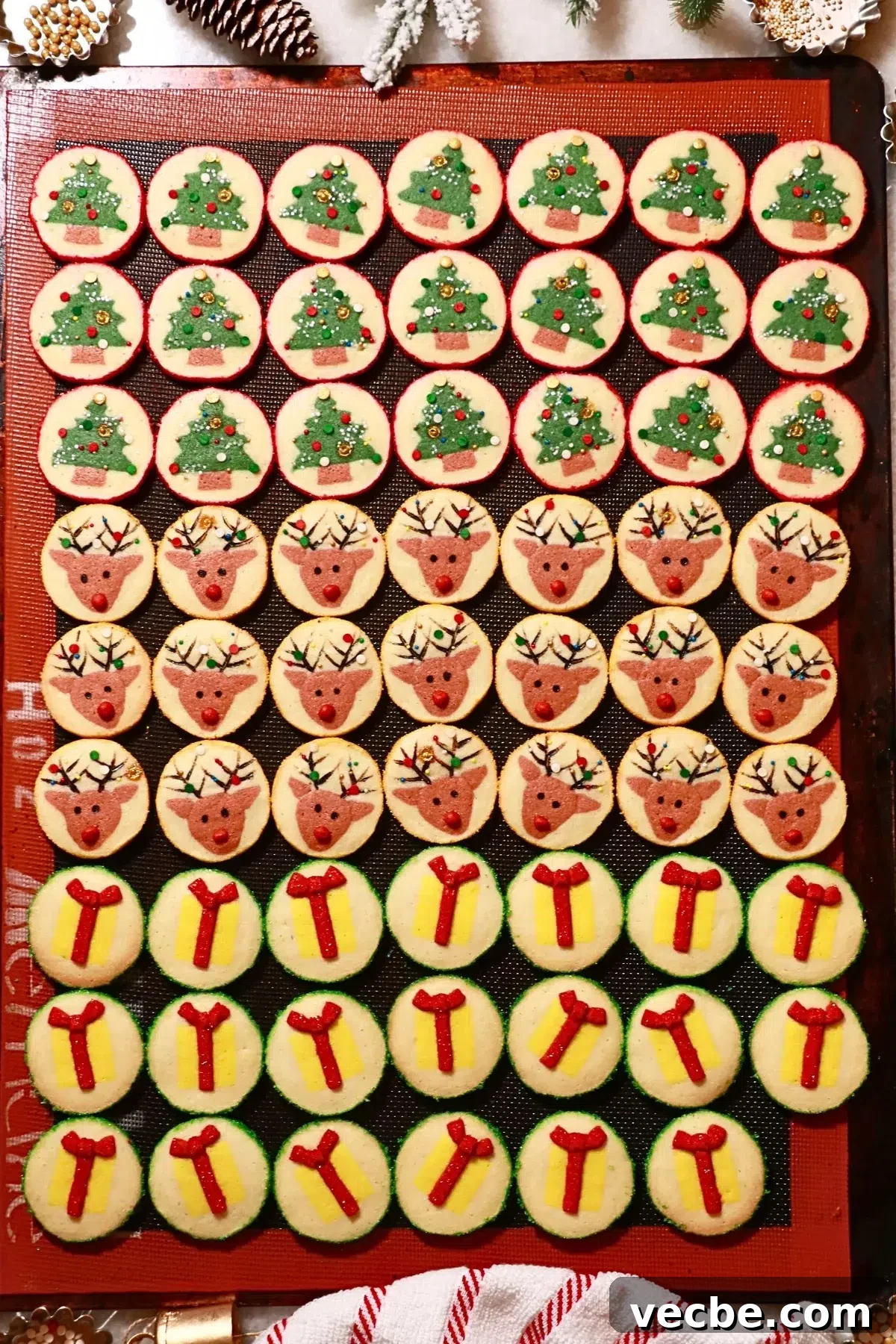
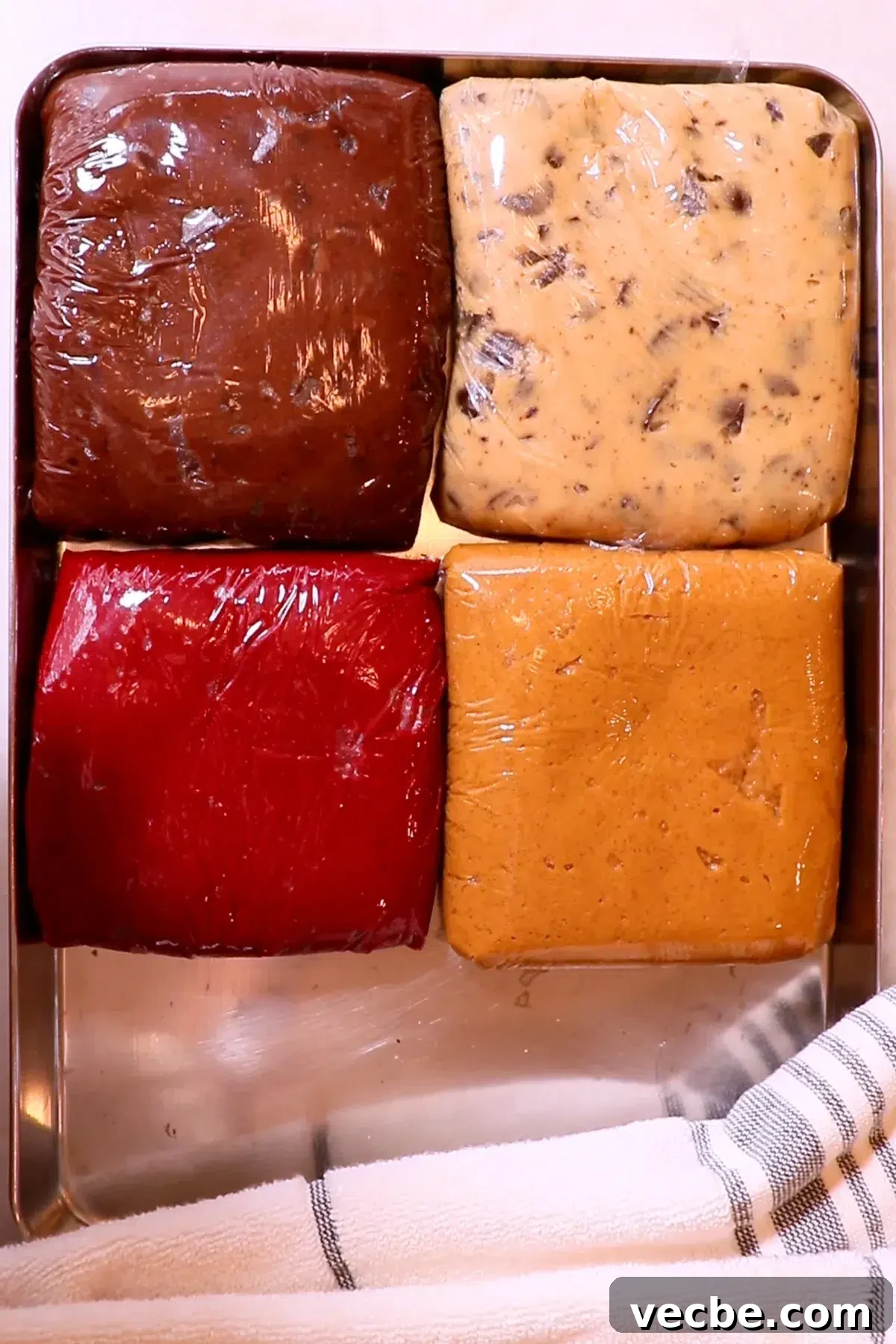
Baking for a crowd? Prepare dough in advance and freeze it. Dough can be kept in the freezer for later use—thaw overnight in the refrigerator before shaping and baking, or let it sit briefly at room temperature if you forget. For cut-out cookies, you can also freeze the shaped cookies and bake them directly from frozen in a preheated oven.
This approach spreads the work over several days and helps you manage time when assembling gift boxes or baking multiple batches.
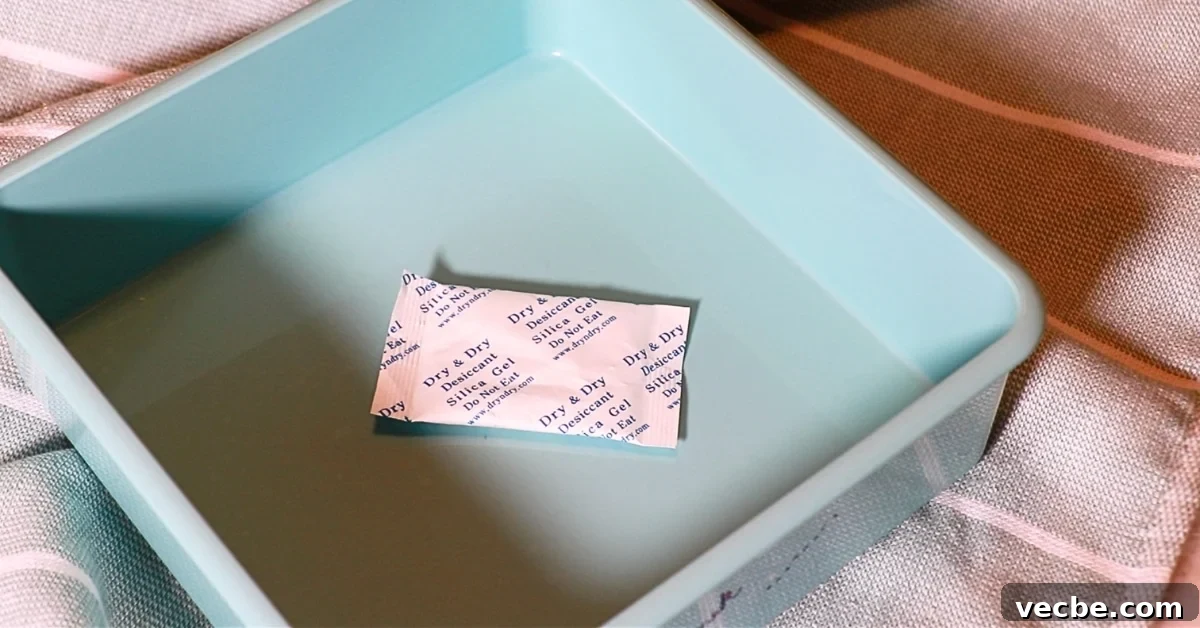
Store crispy cookies with desiccants to keep them crisp.
This tip applies to crisp cookies rather than soft, chewy varieties. To preserve a very crunchy texture, store cookies in an airtight container with small desiccant packets (silica gel). These help absorb moisture in humid environments, keeping cookies crisp for longer storage.
If you bake many crisp treats—shortbreads, meringues, or buttery cookies—keeping a few desiccant packets in the pantry can make a noticeable difference.

Those are the main tips I rely on. There are many small tricks beyond these, but I kept the list focused so you can apply them easily and get consistent results.
I hope you found these cookie-baking tips helpful. Wishing you great success and lots of delicious cookies in your next baking session!
Happy baking,
Aya xx
Cookie Recipes
Try these recipe ideas from the collection and find your favorites:
- Gingerbread cookies
- 10 Holiday cookies from one dough
- Shortbread cookies
- Lemon shortbread cookies
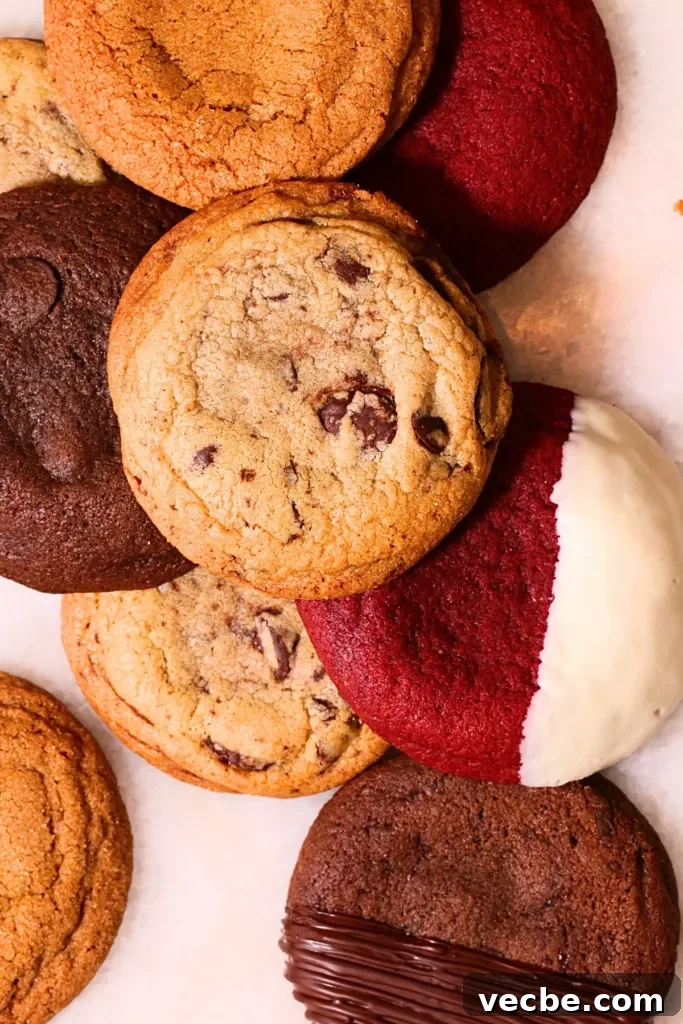
- Four classic chewy cookies from one dough
- Tuile cookies
- Slice-and-bake Christmas cookies – Santa, boots, wreath
- Slice-and-bake Christmas cookies – reindeer, tree, present box


💬 If you have questions, leave a comment at the end of this post. I’d love to hear your feedback if you try any of these techniques or recipes at home!