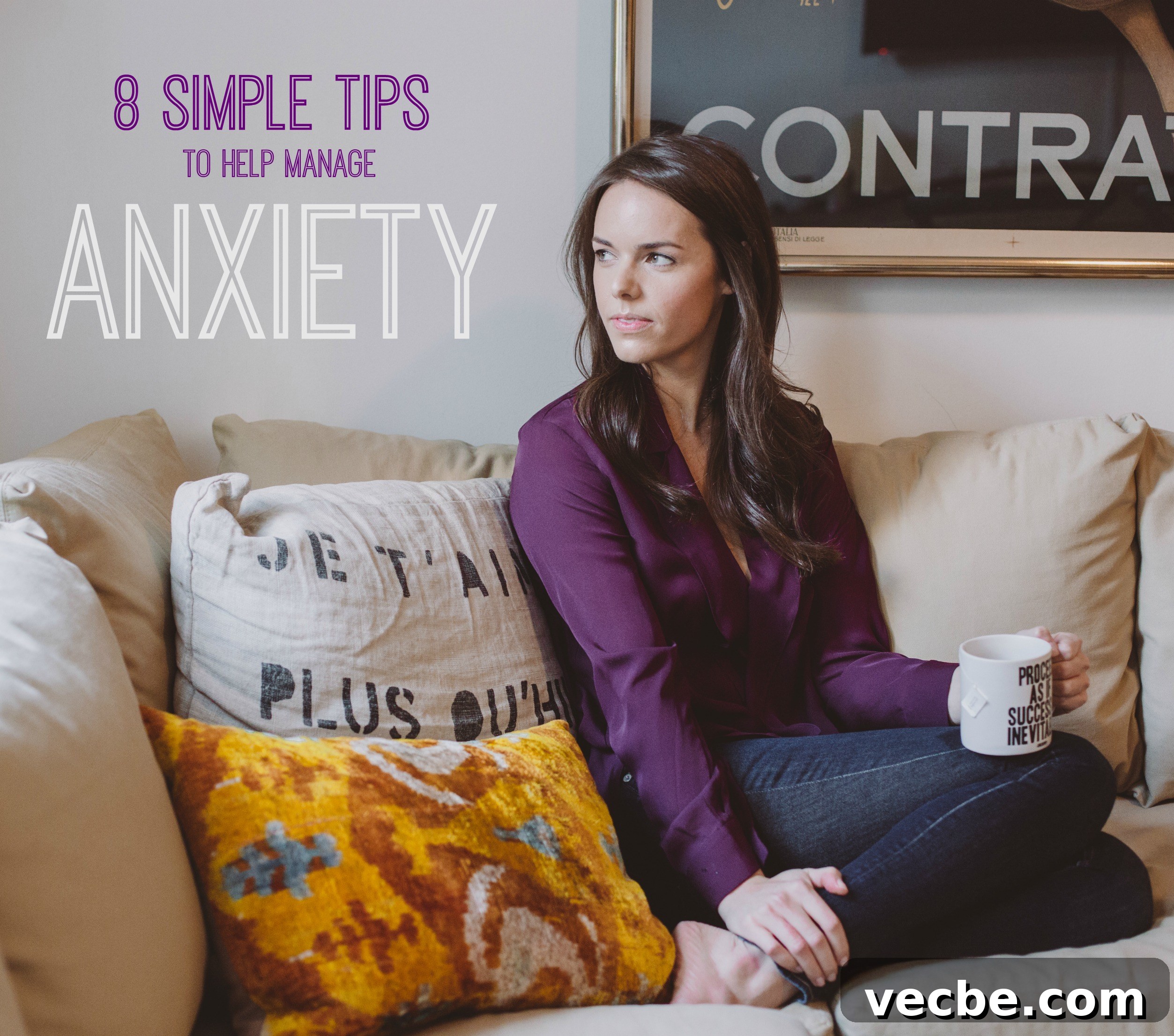
 If you’re new here: Hi — I’m Serena, and I live with anxiety.
For regular readers: hello again. Today I want to talk about something close to my heart: managing panic attacks and generalized anxiety.
I had my first panic attack a little over eight years ago, and anxiety has been part of my life ever since. With the help of a patient, skilled therapist, changes to my routines, and lots of trial and error, I’ve gradually learned to manage it better. That said, anxiety is an ongoing challenge, and I still have difficult spells.
The past year brought a lot of exciting milestones — engagement, a book launch, and a tour — but along with those highs came stress, sleep disruption, uncertainty, and travel. Midway through the tour this spring, my anxiety intensified and panic attacks returned in a severe way. I experienced the kind of attacks that leave you curled up in a fetal position, along with trouble sleeping and trouble concentrating. It became clear I needed to step up my management strategies and rely on every tool I’ve learned.
Some days are better than others, but recently I’ve been feeling much more stable after slowing down and making self-care a priority. Because anxiety affects so many people, I wanted to share practical, everyday strategies that have helped me. Everyone’s experience is different, but if even one tip helps you feel a little more grounded, I’ll consider this a win.
8 Simple Tips for Anxiety Management
1. Acknowledge the panic. One of the most effective tools my therapist taught me is simply naming what I’m experiencing. When anxiety first hits, it’s tempting to spiral into catastrophic thoughts. Pausing to say to yourself, “This is a panic attack” or “This is anxiety” reduces its power. Remind yourself you’ve survived similar episodes before and that the sensations, while intense, are temporary. That recognition alone can calm the nervous system and make coping feel more manageable.
2. Focus on your breath. Breathing might sound basic, but slow, deliberate breaths have a rapid calming effect. Close your eyes if you can, and take long, slow inhales and exhales. When I’m in a high-anxiety period I sometimes set aside 10–20 minutes twice a day just to sit or lie down and breathe mindfully. Thoughts will arise; acknowledge them, then return your attention to the breath. Even a short breathing break can reduce symptoms and improve sleep.
3. Hydrate. Dehydration disrupts your body’s balance and can worsen anxiety symptoms. A glass of cool water can be physically soothing and reassuring — the act of swallowing reminds you your throat is open and functioning. When stress spikes, a simple drink of water can make a noticeable difference.
4. Move your body. You don’t need a full workout to benefit. A walk around the block, a short stretch session, or even pacing for a few minutes can change your physiology and clear your head. Fresh air and gentle movement often interrupt the escalation of panic. On bad days, putting one foot in front of the other is also a small, concrete reminder that you can keep going.
5. Try magnesium/calcium or a calming ritual. Many people find magnesium helpful for muscle tension, sleep, and relaxation. I sometimes mix a magnesium supplement into warm water, and the ritual of preparing and sipping it feels soothing. If supplements aren’t appealing, a cup of chamomile or another caffeine-free tea can have a similar calming effect. The ritual itself — doing something familiar that supports relaxation — can be powerful.
6. Limit sugar, caffeine, and alcohol. These substances can worsen anxiety. Caffeine and sugar are stimulants and may amplify anxious feelings. Alcohol may seem to calm you briefly, but it’s a depressant and can increase anxiety afterward. When I’m especially vulnerable to panic, I cut these out or reduce them significantly until I feel more stable.
7. Choose calming, nourishing foods. Eating well supports brain chemistry and mood. Foods rich in B vitamins, omega-3s, antioxidants, and protein can help steady emotions and reduce symptoms. Some calming options I rely on include salmon, avocado, leafy greens, berries, nuts, lean meats, and whole grains like brown rice, quinoa, and oats. Comforting, nutrient-dense meals are a form of self-care.
8. Use quick “instant happy” tools. Keep a short list of activities that reliably brighten your mood. For me, that’s an upbeat song, a hot bath, a favorite sitcom, or a funny video. These small pleasures can interrupt negative thought loops and bring immediate relief. Don’t underestimate the value of simple joy when you’re feeling overwhelmed.
If you have tips that work for you, please share them — community and shared experience help. To anyone following this who struggles with anxiety: you are not alone, and your experience doesn’t make you weak or broken. You don’t owe anyone an explanation, and it’s okay if there’s no clear “why.” Let’s keep supporting each other.
Love and virtual hugs,
Your fellow anxious human