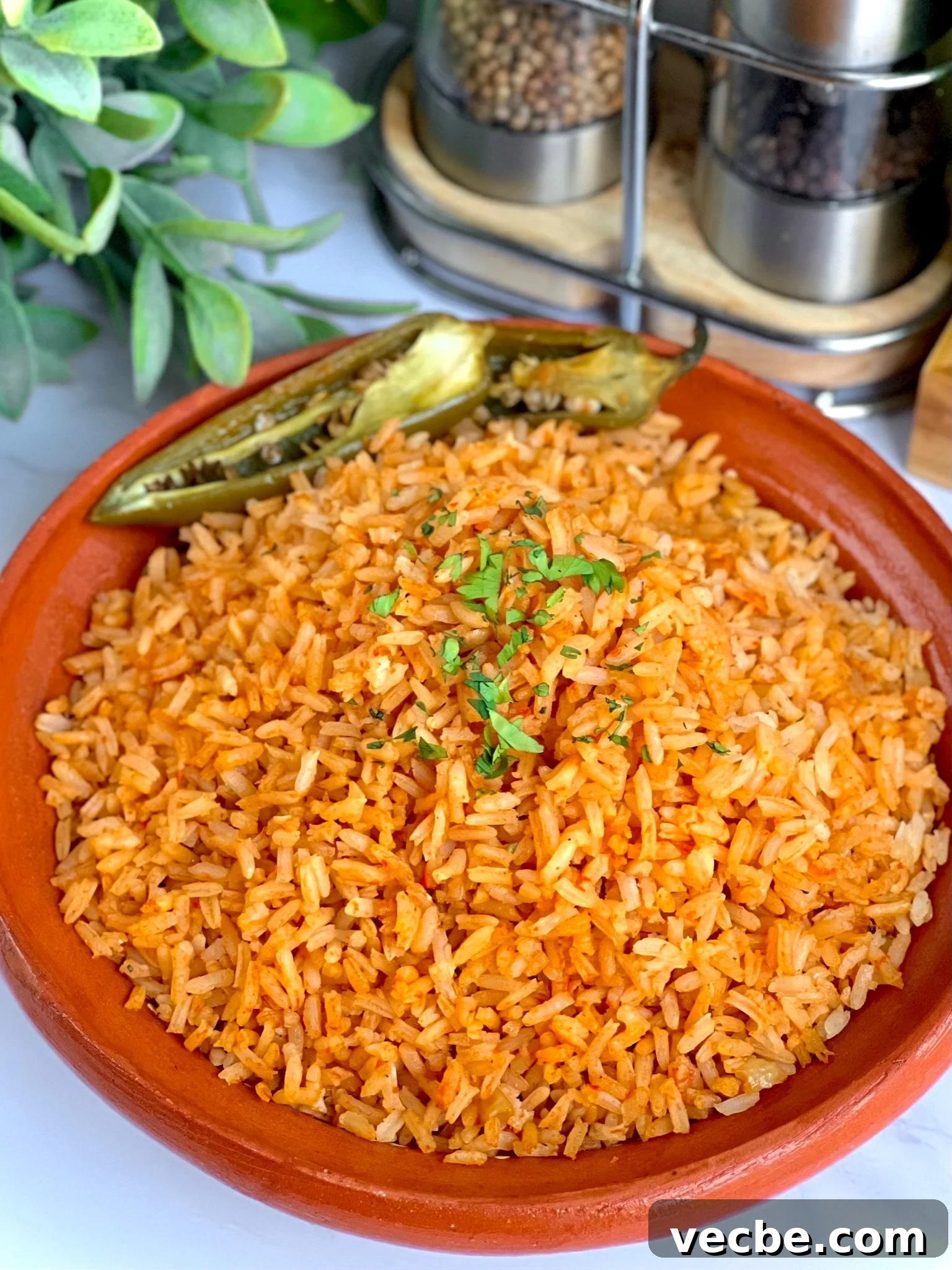
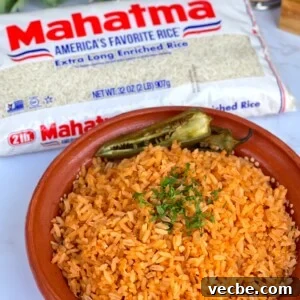
Mexican rice, often called arroz rojo, is a classic side in Mexican cooking. This red rice gets its color and savory depth from tomato juice and chicken stock or bouillon. The version below is a family-style recipe handed down from my abuela (grandmother), and it’s the result of testing and practice to make a reliable, foolproof arroz rojo that turns out fluffy and flavorful each time.
This post explains the differences between Mexican and Spanish rice, lists the ingredients you need, and shares the essential tips my abuela taught me for consistent results. Read through the whole recipe and tips before cooking so you’ll know what texture to aim for and how to avoid common mistakes.
Mexican vs. Spanish Rice
Although people sometimes use the terms interchangeably, Mexican rice and Spanish rice are not the same. Spanish rice often uses saffron and tends toward a yellow color and firmer grain texture. Mexican rice, or arroz rojo, is typically softer and fluffier and gets its hue from tomatoes or tomato sauce. Regional names vary too — in my family from Jalisco, my abuela calls it “sopa de arroz,” while others call it “arroz rojo.”
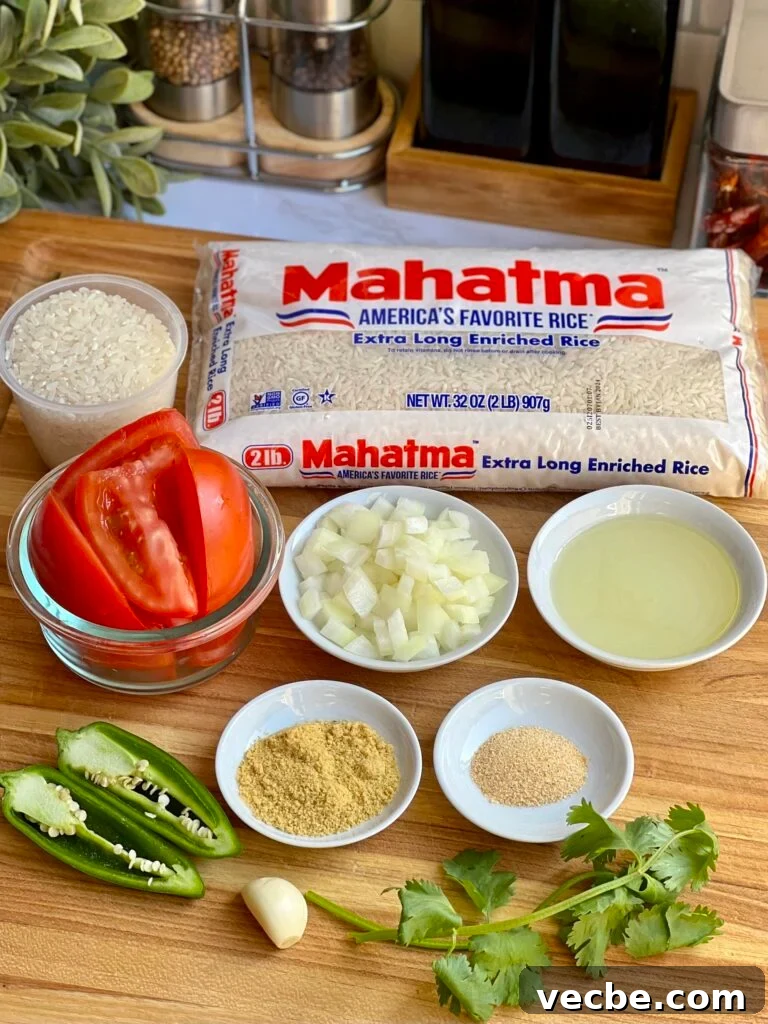
Ingredients
- Long grain white rice — The recipe works best with extra-long grain rice. Longer grains contain less surface starch, producing a drier, fluffier result.
- Tomatoes or tomato sauce — Fresh roma tomatoes or canned tomato sauce both work; ripe, red tomatoes give the best color if you use fresh.
- Chicken bouillon — A tablespoon of chicken bouillon powder or paste adds savory depth. Use vegetable or tomato bouillon for a vegetarian variation.
- Aromatics and vegetables — Onion and garlic are standard. You can add carrots, peas, or red bell pepper if you like.
- Seasonings — Garlic powder and salt to taste.
- Hot water or stock — The steaming liquid must be hot when added so the rice cooks to the right texture.
- Optional aromatics — Cilantro and a jalapeño added on top while the rice simmers give an authentic lift of flavor. The jalapeño contributes aroma more than heat.
Tips from Abuelita
My grandmother Estela taught me this method step by step. She wasn’t a fan of cooking in general, but her arroz rojo is a reliable, no-nonsense recipe. These are the practical rules she insisted on — follow them and you’ll get great rice every time.
- Choose the right rice. Extra-long grain white rice makes a noticeably better texture for this dish. Avoid very starchy varieties like some jasmine rices, and skip aromatic basmati for an authentic result.
- Toast the rice first. Fry the rice in oil after sautéing the onion and garlic until the grains turn golden and puff slightly. This step reduces surface starch and improves the final texture.
- Season while toasting. Stir in the chicken bouillon and garlic powder toward the end of toasting so the rice absorbs those flavors.
- Fry the tomato sauce with the rice. Mixing and briefly frying the tomato puree with the toasted rice deepens the color and flavor — you’ll see the rice take on a warm reddish-orange hue.
- Use hot liquid. The water or stock you add should be hot; the pan sides should be bubbling when you pour it in. This helps the rice steam properly and prevents a mushy result.
- Use a heavy-bottomed pot. A sturdy pot distributes heat evenly and reduces the chance of scorching at the bottom.
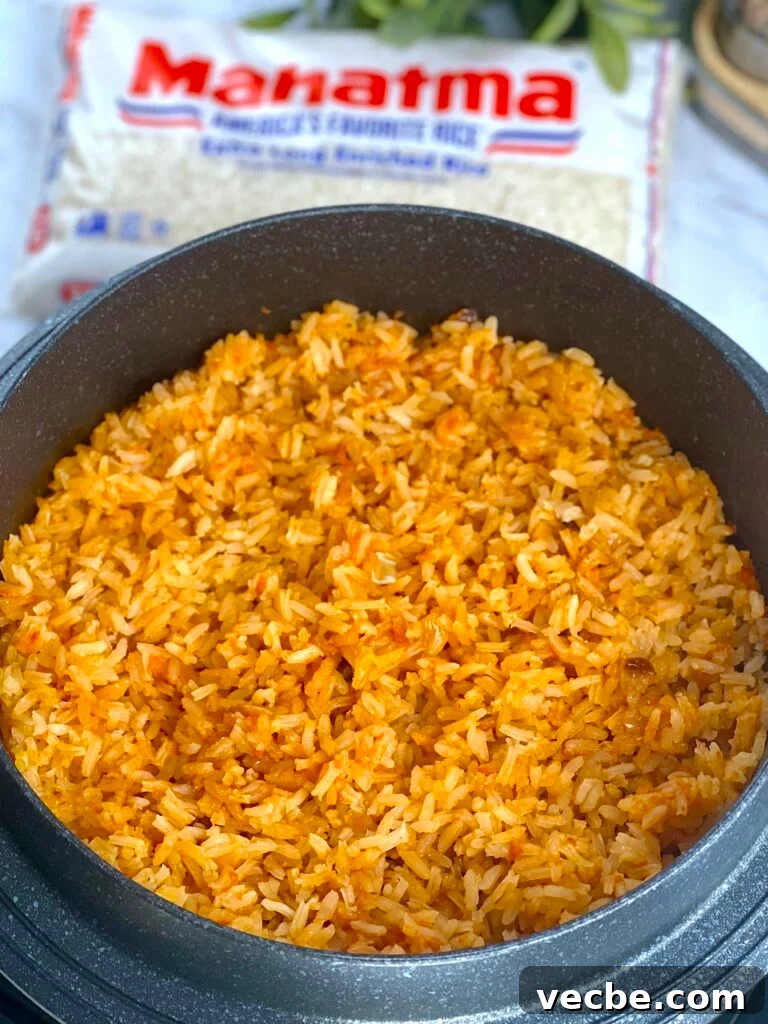
What Texture to Look For
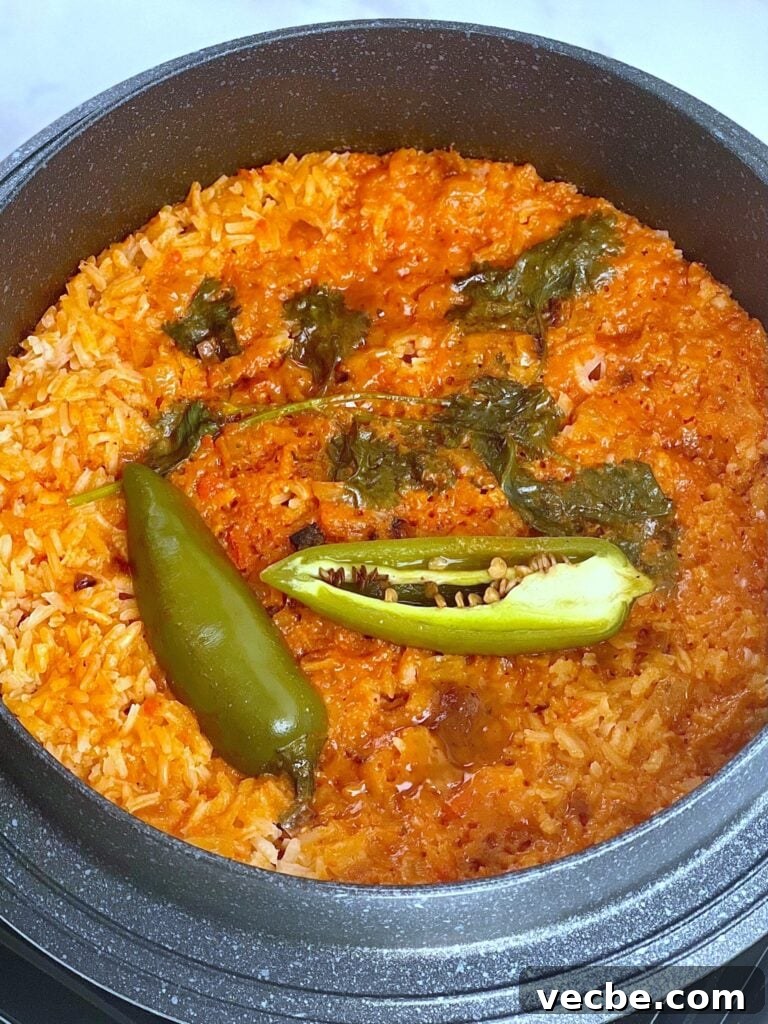
Goal: soft and fluffy grains with just a hint of dryness and tiny flecks of tomato coating each grain. When you lift the lid after cooking, you may see a thin layer of tomato-streaked liquid at the top — that’s normal and desirable. If the rice comes out very wet and mushy, you likely used too much liquid or cooked at too high a heat.
You can’t have rice without beans!
Arroz rojo pairs beautifully with refried beans, grilled meats, or stews. It’s a versatile side that complements many Mexican dishes and makes a weeknight meal feel special.
Recipe: Authentic Mexican Rice (Arroz Rojo)
Servings: 4–5 | Prep: 5 minutes | Cook: 30 minutes
Ingredients (for about 5 servings)
- 1 1/2 cups extra-long grain white rice
- 3 tbsp neutral oil (vegetable or canola)
- 1/4 onion, diced
- 1 garlic clove, crushed
- 1 tbsp chicken bouillon (or substitute to taste)
- 1/2 tsp garlic powder
- 2 roma tomatoes (or 8 oz tomato juice/puree)
- 2 cups hot water or stock
- 1/4 tsp salt, or to taste
- 3 sprigs cilantro (optional)
- 1 jalapeño (optional)
Instructions
- Heat a heavy-bottomed pot over medium heat and add the oil. Sauté the diced onion until it softens, then add the crushed garlic and cook until fragrant and lightly browned. Remove the whole garlic clove after frying if you prefer a subtler garlic presence.
- Add the rice to the pan and toast, stirring constantly, until the grains look slightly puffed and turn a light golden brown (about 4–6 minutes).
- Stir in the chicken bouillon and garlic powder while the rice is toasting. Continue to stir and toast for another minute so the rice absorbs the seasoning.
- Blend the roma tomatoes with the fried garlic (or use canned tomato sauce) to make about 1 cup (8 oz) of tomato puree. Pour the tomato mixture into the rice and stir constantly for about 30 seconds. The rice will darken to a warm reddish-orange color; watch the heat to prevent sticking or burning.
- Carefully add the 2 cups of HOT water or stock. The liquid should be hot enough that the pot sides are bubbling when you pour it in. Stir in salt (about 1/4 tsp, or to taste).
- Place the cilantro sprigs and whole jalapeño on top (if using). Bring the pot to a gentle boil over medium-low heat until some surface steam or a little evaporates, then reduce the heat to low and cover tightly. Simmer undisturbed for 20 minutes — do not lift the lid.
- After 20 minutes, remove from heat and let sit for a couple of minutes if desired, then fluff gently with a fork. There may be a thin layer of tomato at the top; fold it in while fluffing so the color distributes evenly.
- If you prefer a softer, airier rice, recover the pot (off the heat) and let it rest an additional 10 minutes before fluffing.
Final Notes
This arroz rojo is dependable and quick. The key steps are to toast the rice, fry the tomato with the rice, use hot liquid, and avoid lifting the lid while it steams. With those fundamentals, you’ll get consistent, restaurant-style Mexican rice at home. Serve it alongside beans, grilled meats, tacos, or as a colorful base for a bowl meal.