Tzatziki is one of those simple Greek recipes that often comes together by instinct: add a little yogurt, stir in cucumber, season, taste, and adjust until it feels right. Because it is so flexible, writing it down can seem almost unnecessary. However, if you have never made homemade tzatziki before, a clear starting point is very helpful. This easy tzatziki recipe gives you a balanced base of thick Greek yogurt, fresh cucumber, dill, garlic, olive oil, and red wine vinegar. From there, you can adjust the salt, acidity, and garlic to suit your own taste.
Ingredients
1 pound Greek yogurt, or any thick strained yogurt; Fage is a particularly good choice if available
1 cucumber, peeled and finely minced; remove the seeds if you prefer a smoother, gentler texture
2 tablespoons chopped baby dill, approximately
2 to 3 cloves garlic, finely minced, or pressed through a garlic press for a smoother flavor throughout
3/4 teaspoon salt
1/8 teaspoon pepper
2 1/2 tablespoons extra virgin olive oil, preferably a good-quality one
1 1/2 tablespoons red wine vinegar
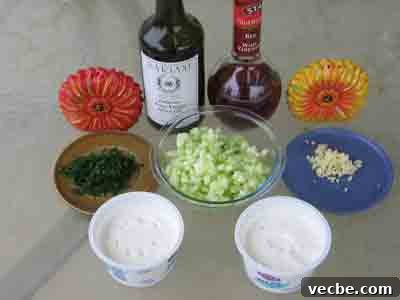
To make a straightforward bowl of tzatziki, place the Greek yogurt, minced cucumber, chopped dill, garlic, salt, pepper, extra virgin olive oil, and red wine vinegar in a mixing bowl. Stir everything together thoroughly until the cucumber and herbs are evenly distributed and the oil and vinegar are fully incorporated into the yogurt. The texture should be creamy, thick, and lightly speckled with dill and cucumber. If your cucumber is very watery, you may want to squeeze it gently before adding it so the tzatziki stays rich rather than thin.
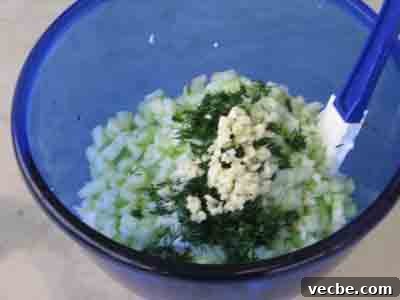
Once mixed, taste the tzatziki before serving. This step matters because yogurt, cucumbers, garlic, and vinegar can vary in strength. If the flavor tastes flat, add a little more salt. If it needs brightness, add a small splash of red wine vinegar. If you want it richer and smoother, stir in a touch more extra virgin olive oil. If you prefer a stronger garlic flavor, add a bit more minced or pressed garlic, but do so gradually, since raw garlic becomes more noticeable as the dip sits. After each adjustment, stir well and taste again.
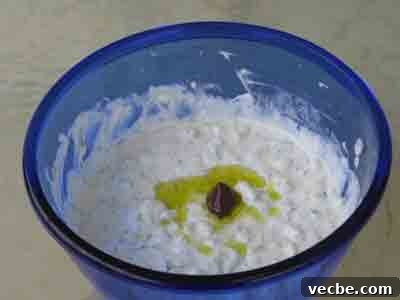
For the best flavor, let the tzatziki rest for a short time before serving if you can. This allows the garlic, dill, cucumber, oil, and vinegar to blend into the yogurt. The result is a cool, tangy, refreshing Greek yogurt cucumber dip that works beautifully as a sauce, spread, or side dish. Traditionally, tzatziki can be served with a drizzle of extra virgin olive oil on top and a black olive as a garnish. The olive adds a classic finishing touch, and the oil gives the surface a glossy, appetizing look.
If you would rather learn the traditional mix-and-taste method instead of following exact measurements, start by placing the yogurt, cucumber, dill, and garlic in a bowl. Use the ingredient list as a guide, but do not feel trapped by it. You may want more garlic for a sharper, bolder tzatziki, or a little less if you prefer a milder version. Sprinkle in salt and pepper by eye. Be reasonably generous with the salt because yogurt and cucumber both need seasoning, but use pepper lightly, since raw garlic already brings a bit of heat and intensity.
Mix the base very well, then add a pour of extra virgin olive oil and a splash of red wine vinegar. Stir again until the tzatziki looks smooth and even. Taste it carefully and ask yourself what it needs: more salt for flavor, more vinegar for tang, more oil for richness, more dill for freshness, or more cucumber for crunch. Add only a little at a time, mix thoroughly, and taste again. Repeat until the flavor is balanced and pleasing to you. That is the heart of homemade tzatziki: simple ingredients, careful tasting, and a fresh, creamy result.