
My all-time favorite food, you ask?
BERRIES!
Any berry really — raspberries, blueberries, strawberries, blackberries, gooseberries, huckleberries, goji berries, or even a fictional snozberry (a fun nod to classic stories). Each variety brings its own color, flavor and set of nutrients, and I find they fit into almost every meal.
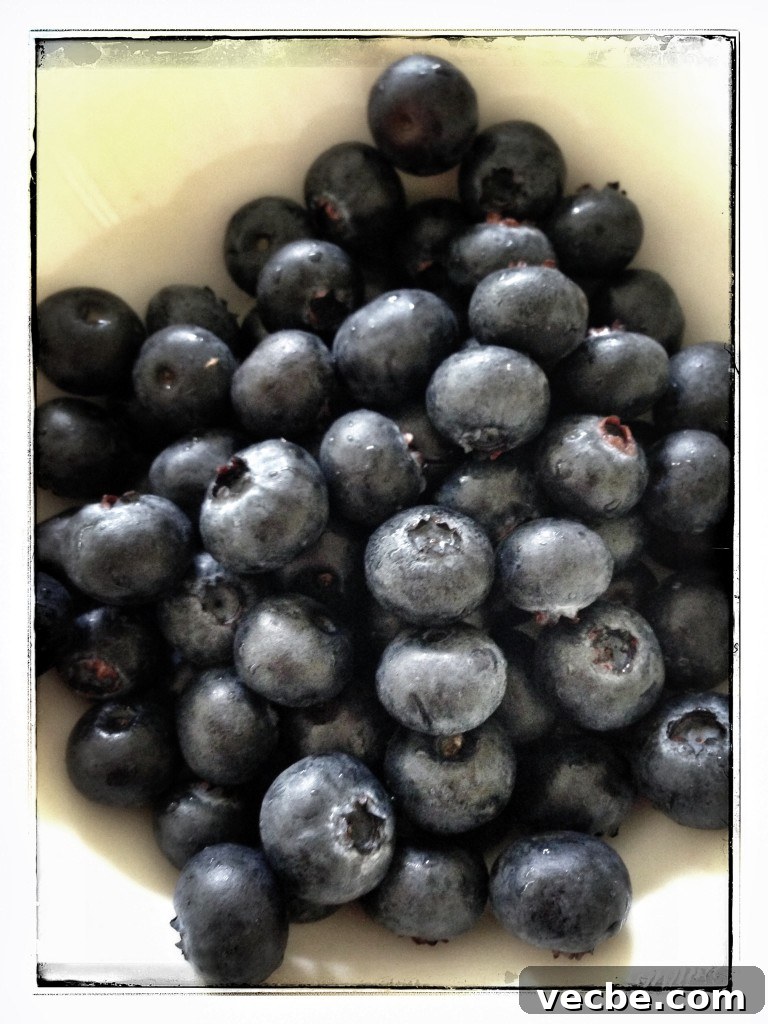
Berries are a staple in my diet year-round — fresh in season and frozen the rest of the year. Unlike many sweet treats, most berries are relatively low on the glycemic index, so they don’t provoke the same sharp blood sugar spikes associated with processed sweets. They provide natural sugars, fiber, antioxidants and a variety of vitamins and minerals, making them a smart and delicious choice for dessert or snacks. Beyond sweetness, berries are rich in phytochemicals and provide meaningful amounts of fiber, vitamin C and other micronutrients.
Can you tell that I love berries yet?
When I’m not having my morning green smoothie, I reach for berries to kick off the day. I aim to eat at least a cup of berries daily: big blueberries in my breakfast bowl, raspberries with a few chocolate chips for a treat, tart cranberries around the holidays, and dried goji berries sprinkled on oatmeal. I often keep a mix of fresh and frozen on hand so I can always add berries to yogurt, cereal, smoothies or salads.
How do you like to enjoy berries? I’ve practically turned “to berry” into a verb — it means topping, mixing, or enjoying any dish with a generous handful of berries.
Below is a cup-for-cup comparison of some popular berries and the key nutrients they deliver. This table focuses on calories, fat, fiber, sugar and protein, and highlights some of the well-known nutritional benefits associated with each berry.
| Berry | Cals | Fat (g) | Fiber (g) | Sugar (g) | Protein (g) | Nutritional Benefits |
| Blueberries | 84 | 0.5 | 3.6 | 14.7 | 1.1 | Anti-inflammatory anthocyanins (antioxidants) give this berry its blue hue. Blueberries are often associated with improved cognitive support and metabolic health. Contains vitamin K, vitamin C and manganese. |
| Raspberries | 64 | 0.8 | 8 | 5.4 | 1.5 | High in fiber and polyphenols; some evidence suggests raspberries may help support healthy weight management. Organic and fully ripe raspberries can have higher antioxidant levels. Contains vitamins C, E and K, manganese, magnesium and folate. |
| Strawberries, halved | 49 | 0.5 | 3 | 7.1 | 1 | Excellent source of vitamin C, contributing strongly to immune support. Also contain manganese, potassium and small amounts of vitamin E. |
| Blackberries | 62 | 0.7 | 7.6 | 7 | 2 | High in antioxidants and tannins that can help reduce inflammation. Provide vitamins A, C and K, plus magnesium and potassium, which support bone and cardiovascular health. |
| Cranberries | 46 | 0.1 | 4.6 | 4 | 0.4 | Known for compounds that support urinary tract health and may contribute to heart health and digestive balance. Contain vitamins C, E and K, and manganese. |
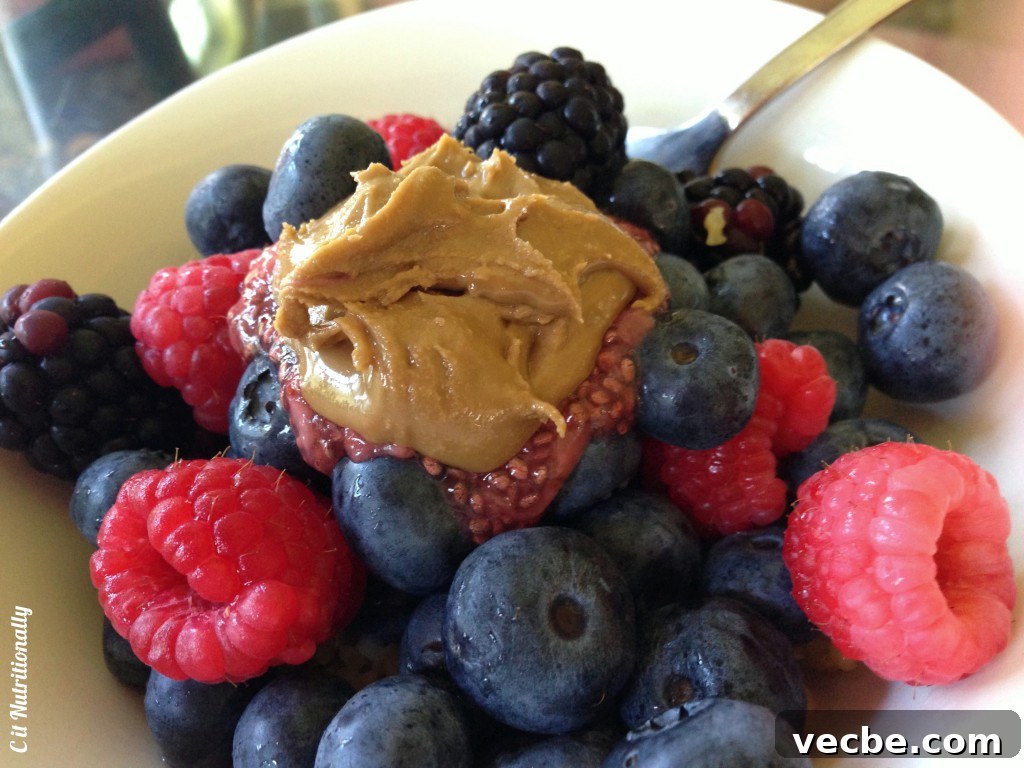
One of my favorite breakfasts is a simple, flexible berry bowl. I layer a variety of berries with a spoonful of chia jam (a great lower-sugar alternative to many spreads) and finish it with a tablespoon of sunflower seed butter for extra protein, healthy fats and sticking power. This combination balances carbohydrates, fiber, and healthy fats so I stay satisfied well into the morning. A typical bowl like this provides about 250 calories, roughly 12 grams of protein and around 12.5 grams of fiber, depending on ingredients and portions.
Here are a few practical tips for getting the most from your berries:
- Buy fresh in season for the best flavor and texture; freeze extras for smoothies, baking or quick breakfasts later.
- Rinsing berries just before eating helps extend shelf life and preserve flavor.
- Mix frozen and fresh berries: frozen berries chill smoothies and bowls without diluting flavor, and they retain many nutrients when frozen soon after harvest.
- Use berries to naturally sweeten yogurt, oatmeal, salads and baked goods instead of adding processed sugars.
Berries are versatile, colorful and nutrient-dense. Whether you toss them into a morning bowl, blend them into smoothies, fold them into salads, or enjoy them alone, they make a simple, delicious way to boost vitamins, fiber and antioxidants in daily meals.