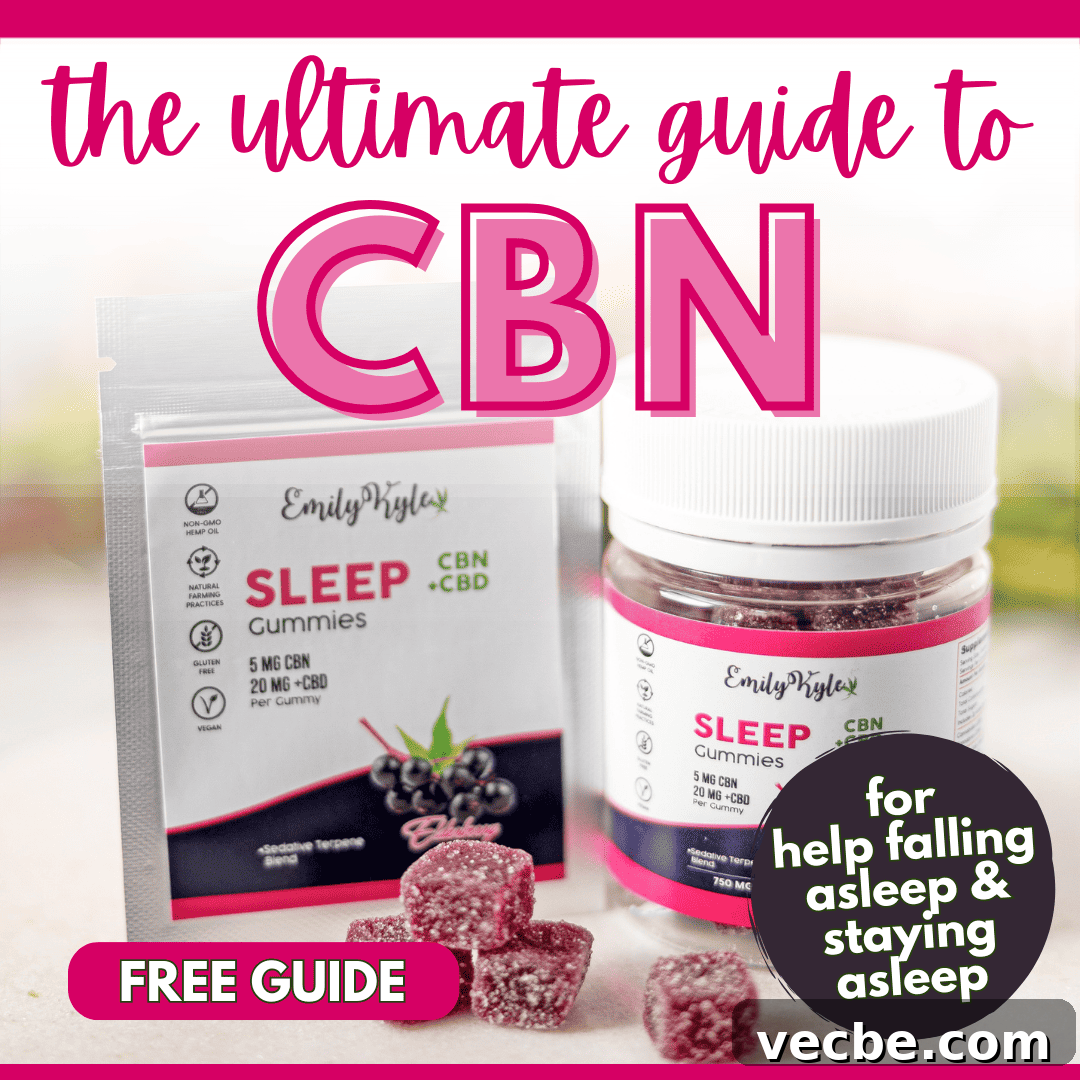
Does the thought of a peaceful night’s sleep feel out of reach? If you’re seeking a more natural approach to better rest, consider CBN. This guide explains what cannabinol (CBN) is, why people call it the “sleep cannabinoid,” and how it may help you fall asleep more easily and stay asleep longer.
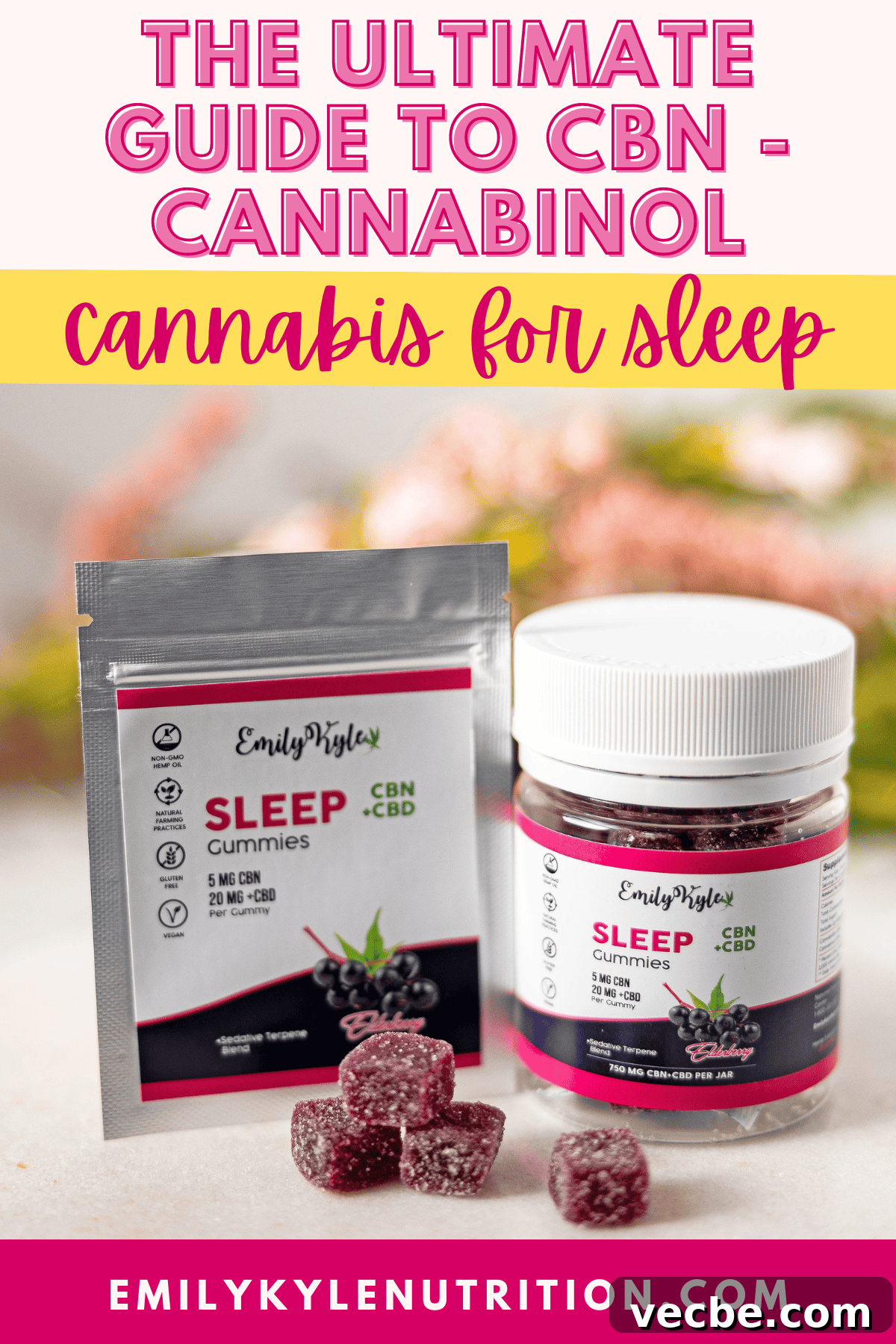
Article Features
- An introduction to CBN, the sleep cannabinoid
- How CBN may help with falling asleep and staying asleep
- Where to find high-quality CBN products and simple ways to try CBN safely
Why You Will Love This Guide
Cannabinol, commonly called CBN, is attracting attention for its potential to support sleep and relaxation. Unlike the more widely known cannabinoids THC and CBD, CBN naturally occurs in smaller amounts in the cannabis plant. Early research and many user reports suggest it can promote calm and help with sleep, making it an intriguing option for people exploring natural sleep aids.
This guide covers the basics of CBN, explains how CBN can be produced through decarboxylation and aging, summarizes potential effects and side effects, and outlines practical ways to consume and dose CBN.
Meet Cannabinol
THC and CBD are the most familiar cannabinoids, but CBN (cannabinol) is emerging as a noteworthy minor cannabinoid. CBN forms as THC degrades over time, and even though it appears in trace amounts naturally, it has unique properties that make it interesting for sleep and relaxation.
Early clinical and preclinical work indicates CBN interacts with the endocannabinoid system and may produce sedative and calming effects in some people. Because it is a metabolite of THC, CBN can be mildly intoxicating at higher doses, although many users report minimal or no intoxicating effects when using CBN alone.

Why the “Sleep Cannabinoid”?
CBN is often nicknamed the “sleep cannabinoid” because many users report sleep-promoting effects. Historically, people noticed older, well‑aged cannabis seemed more sedating than fresh flower; this observation aligns with the chemistry: THC oxidizes into CBN as cannabis ages and is exposed to heat and air.
Beyond anecdotal accounts, research has suggested CBN can be sedative in animal and human studies and may also have additional properties—such as anti-inflammatory and antimicrobial effects—that are still being explored. While more clinical trials are needed, current evidence and user experiences make CBN worth considering for people looking to improve sleep naturally.
How To Decarb to Produce CBN
Decarboxylation and oxidation are the key chemical steps that convert THC into CBN. Studies on cannabinoid chemistry show that THC oxidizes to CBN under heat and light during decarboxylation. Higher temperatures accelerate this conversion: formation of CBN has been observed at temperatures around 160°C to 180°C (320°F–356°F).
Some users heat cannabis at these higher temperatures for shorter periods to increase CBN content, but that can degrade delicate terpenes. A gentler approach is to decarb at a lower temperature for a longer time; for example, decarboxylating at about 240°F for several hours can encourage conversion while better preserving terpenes. If you plan to make CBN oil at home, follow tested recipes and safety guidelines and be mindful of local regulations.

Learn how to decarb and make CBN oil carefully and safely if you choose to DIY.
Effects and Side Effects
It’s important to understand both potential benefits and possible side effects before trying CBN. Pure isolated CBN does not guarantee drowsiness for everyone. Many of CBN’s reported effects appear strongest when it is combined with other cannabinoids and terpenes, a concept known as the “entourage effect.”
People often combine CBN with CBD or low doses of THC to tailor effects. Some users report calmness, reduced night awakenings, and better sleep continuity. Others note side effects such as dry mouth and mild grogginess the next morning, especially when higher doses or residual THC are present. Tolerance can develop over time; rotating products or taking occasional breaks can help maintain effectiveness.
How to Consume CBN
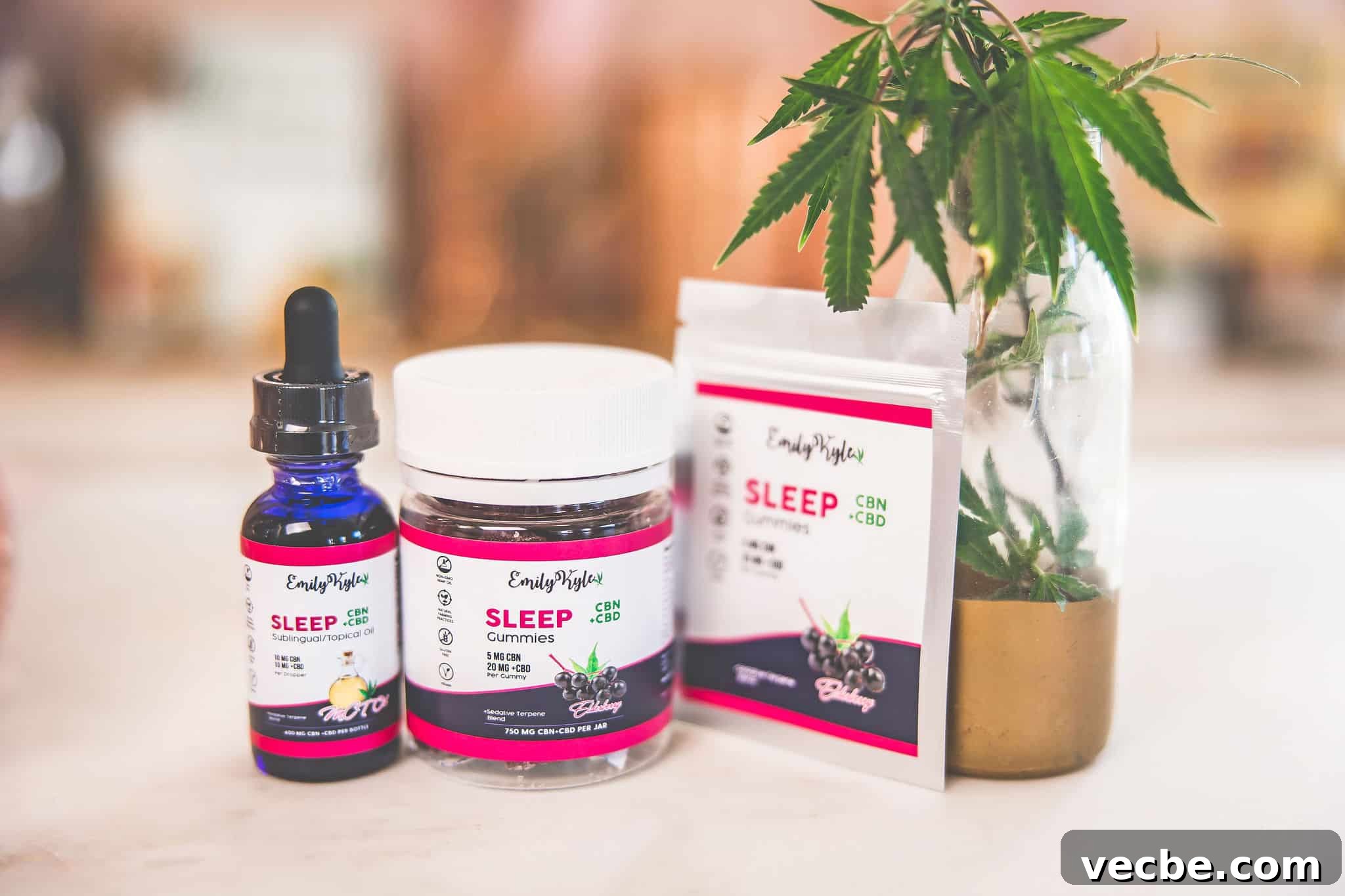
CBN is available in a range of formats: sublingual tinctures, capsules, gummies, and oils. Ready-made products allow for precise dosing and convenience, while homemade CBN oil offers customization for those experienced with safe infusion techniques. Choose a delivery method that matches your needs—rapid onset options like inhalation or sublingual drops work differently than edibles or capsules, which provide slower, longer-lasting effects.
If you’re new to CBN, start with a low, controlled dose and keep a simple log of how each product affects your sleep. That helps you find a product and schedule that fits your routine.
Will It Make You High?
CBN is a metabolite of THC and can be mildly intoxicating in higher amounts. Research comparing CBN to THC suggests it is significantly less potent, and many users do not report strong intoxicating effects from CBN alone. Intoxication risk depends on dose, individual sensitivity, and whether residual THC is present in the product. If avoiding intoxication is important to you, choose products that provide lab-tested potency information and minimal THC content.
How to Dose CBN
There is no universal CBN dose; individual response varies. Follow the “start low and go slow” approach. Many people begin with 5–10 mg per serving to assess tolerance and effect. Controlled studies suggest higher doses—such as 20 mg nightly—may help address overall sleep disturbance for some people, but individual needs and responses differ. Track your results and adjust gradually.
Is CBN Safe?
Available research indicates CBN has a generally favorable safety profile. Clinical work has examined a wide range of doses without identifying major safety concerns in monitored settings. That said, individual reactions can vary, and mixing CBN with other medications or alcohol may have interactions. If you are pregnant, breastfeeding, or taking prescription medications, consult a healthcare professional before trying CBN.
Make or Buy CBN Oil
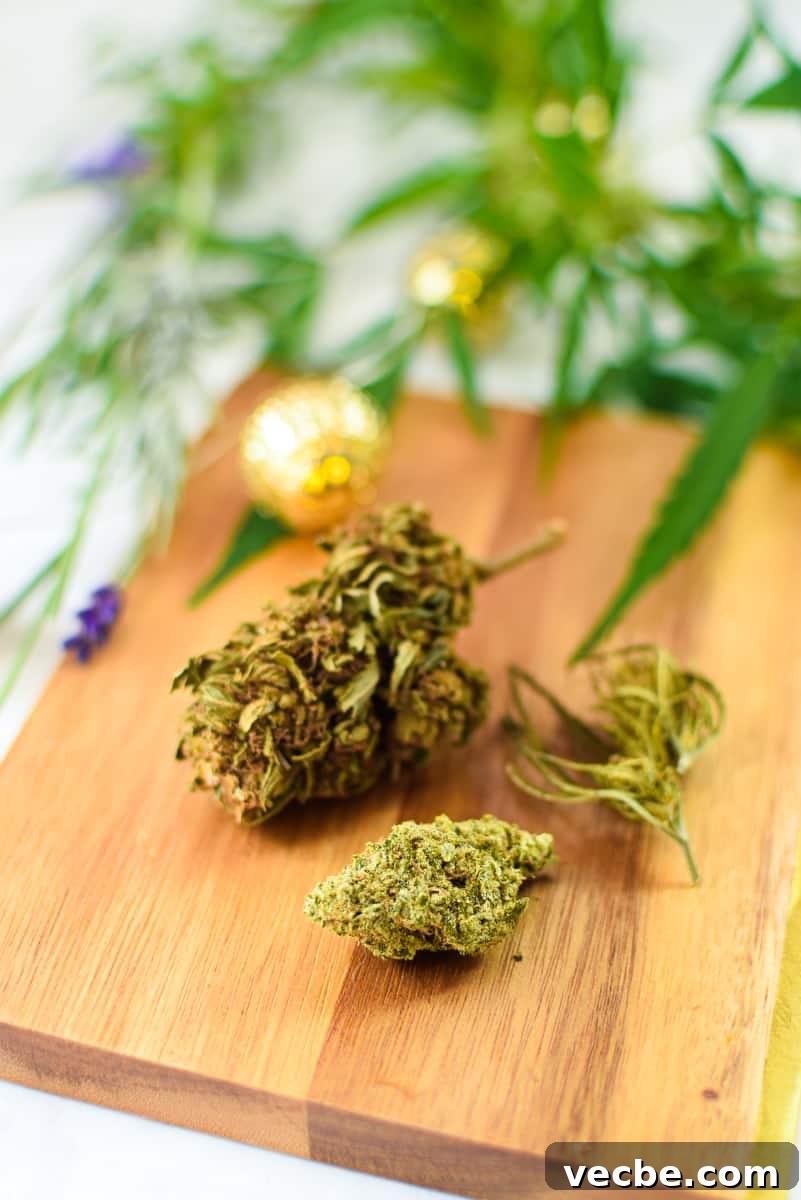
CBN products are increasingly common on the market, including tinctures, capsules, gummies, and oils. Product quality varies widely, so look for reputable suppliers that provide third‑party lab testing for cannabinoid content and contaminants. If you prefer a DIY approach, you can produce CBN oil at home by carefully decarboxylating and oxidizing THC-rich flower, then infusing into a carrier oil—but DIY methods require care, accurate recipes, and adherence to local laws.
High-Quality CBN Products

Shop
Bliss Sleep Gummies

Shop
CBN Sleep Oil
Shop
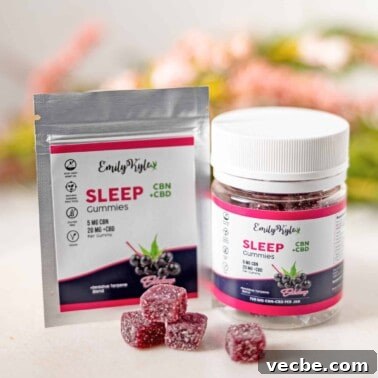
CBN Sleep Gummies
Conclusion
CBN is a promising, naturally derived option for people exploring alternatives to traditional sleep medications. While clinical research is still growing, both early studies and a wealth of user experiences suggest CBN can support sleep continuity and calm for many people. If you’re curious, start with low doses, choose lab-tested products, and track how you respond.
Have you tried CBN products? Share your experience and tips in the comments. Your firsthand feedback helps others learn what works.
More Sleep Resources for You

Articles & Guides
Cannabis for Sleep: Your Guide to Restful Nights

Recipes
9 Ways To Make Cannabis Tea

How-To