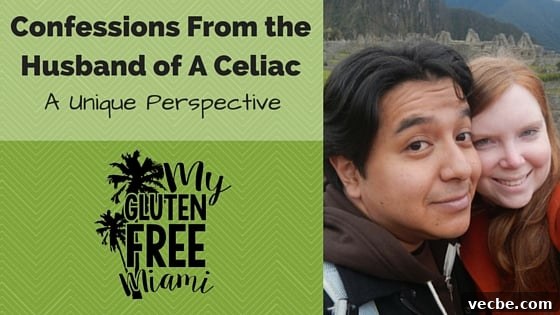
My wife and I are passionate about food. How passionate? For our honeymoon we chose New Orleans and planned almost every day around where we would eat. If you haven’t been to New Orleans, seriously consider booking a trip and making restaurant reservations—you won’t regret it.
Here are some links to help.
Gluten-Free New Orleans
New Orleans Gluten-Free Friendly Options
Food has been something so important to us.
The day my wife was diagnosed with Celiac disease was difficult for both of us, but especially for her. I love her deeply, and I know how much she cares for the people around her. At first she saw the diagnosis as a heavy burden, and I could empathize — changing the way you eat and interact around food is never simple. Over time, though, adopting a gluten-free lifestyle became a shared project that brought us closer and taught us how to support one another.
Before my wife’s diagnosis, I hadn’t really heard of Celiac disease. Like many people, I assumed “gluten-free” was just another diet trend. Learning the difference between a fad and a necessary medical diet required research and time. Reading reliable sources and connecting with others who live gluten-free made a huge difference in how we adjusted our daily life. If you’re facing a similar situation, look for local support groups and trustworthy resources to help you navigate the gluten-free lifestyle.
South Florida Celiac Support
Gluten-Free Easy
My father was a baker. I basically grew up in a bakery in Peru.
Bread was central to my family — my father was a baker, and I practically grew up surrounded by dough and ovens in Peru. Telling my family that my wife could no longer eat gluten was not easy. Our love of food runs deep, but so does our love for my wife. Fortunately, my family wanted to help and learn how to adapt beloved recipes to be gluten-free.
That effort led us on a mission to recreate traditional Latin dishes without gluten. One of my wife’s favorite Peruvian recipes is Papas a la Huancaina, a creamy, slightly spicy sauce over potatoes traditionally made with cheese, milk, aji, and crackers. The crackers in the sauce were the problem — they contain gluten. When I first told my wife she might not be able to enjoy the dish anymore, she was heartbroken. Thankfully, she’s resourceful: she found gluten-free crackers, and we experimented until we adapted the recipe so it kept the same flavor and texture she loved.
After a few tests the gluten-free version worked beautifully. My mother was surprised to discover gluten-free crackers existed and ordered a whole box when she tasted it. Now, whenever we visit family, everyone enjoys the gluten-free Papas a la Huancaina and can’t tell the difference from the original. That small victory reinforced how much can be preserved from traditional cooking with a little creativity and patience.
Adapting to a gluten-free life has had its challenges — it means reading labels, rethinking how we cook, and sometimes making separate dishes for different occasions. But for the health and well-being of the person you love, it’s worth every effort. Embracing gluten-free cooking expanded our culinary horizons, introduced us to new ingredients, and strengthened family bonds. A healthy family matters more than any slice of bread, and the journey toward a gluten-free lifestyle has given us new recipes, new traditions, and a deeper appreciation for the food we share.