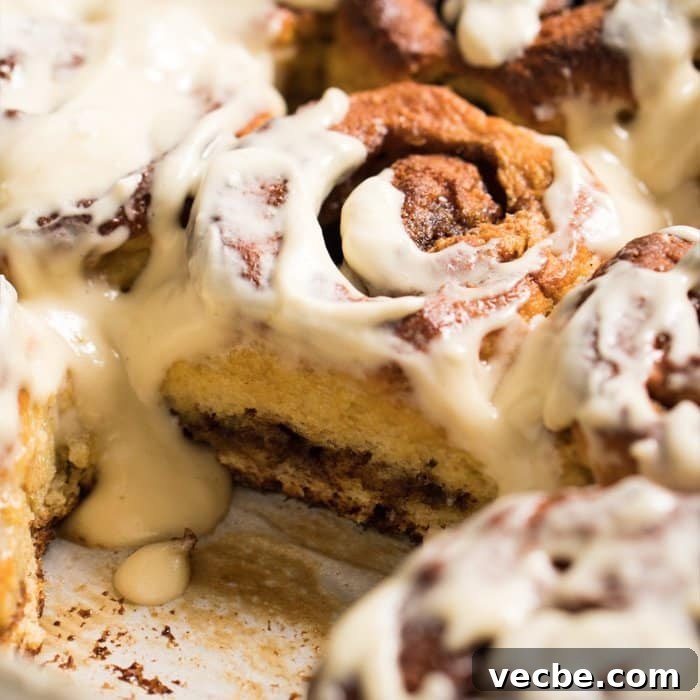
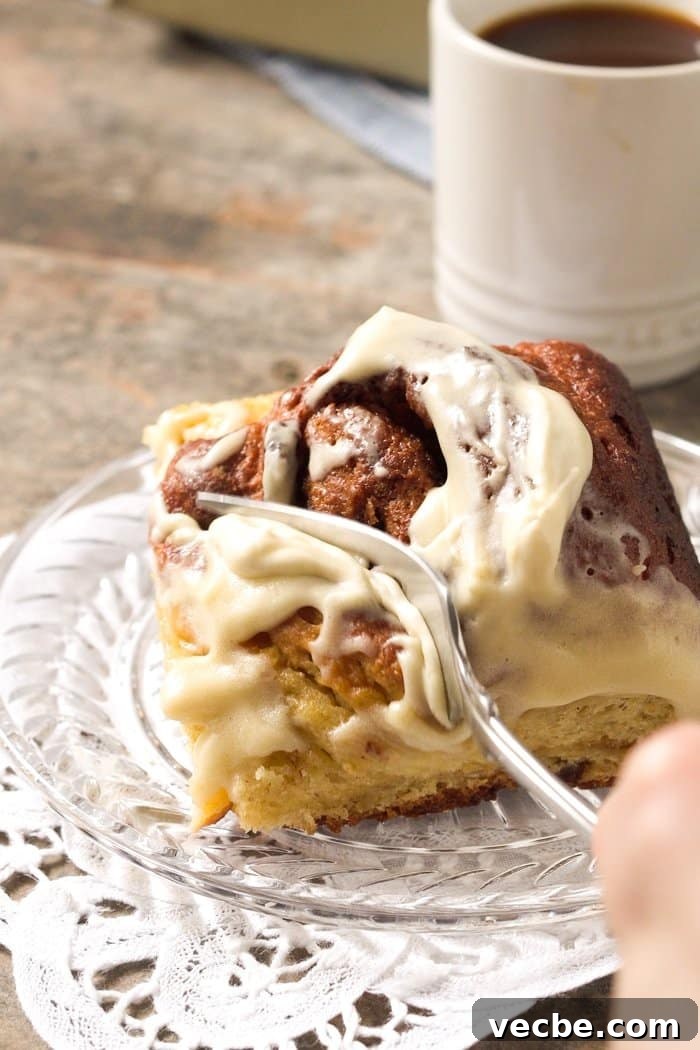
These are true winners: fluffy, gooey, and absolutely delicious. These gluten‑free, paleo and keto cinnamon rolls use active dry yeast to achieve a remarkable rise and texture that’s close to the classic version.
Note: this recipe was first published in June 2018 and has been updated with clearer instructions, helpful tips, and troubleshooting guidance.
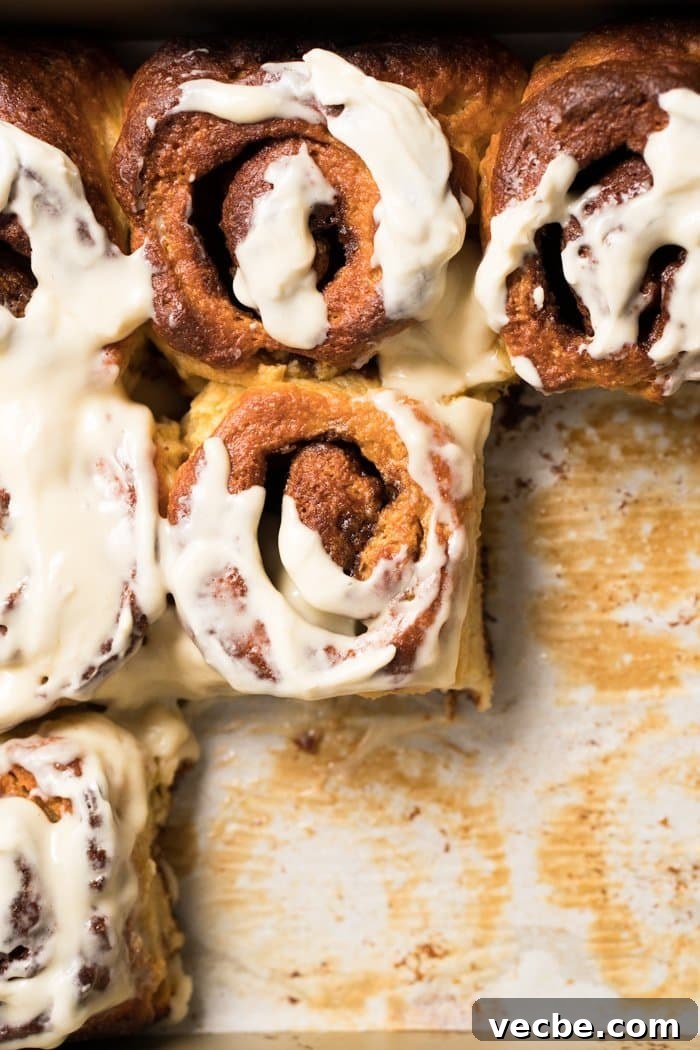
Paleo & Keto Cinnamon Rolls
Fluffy and Gooey
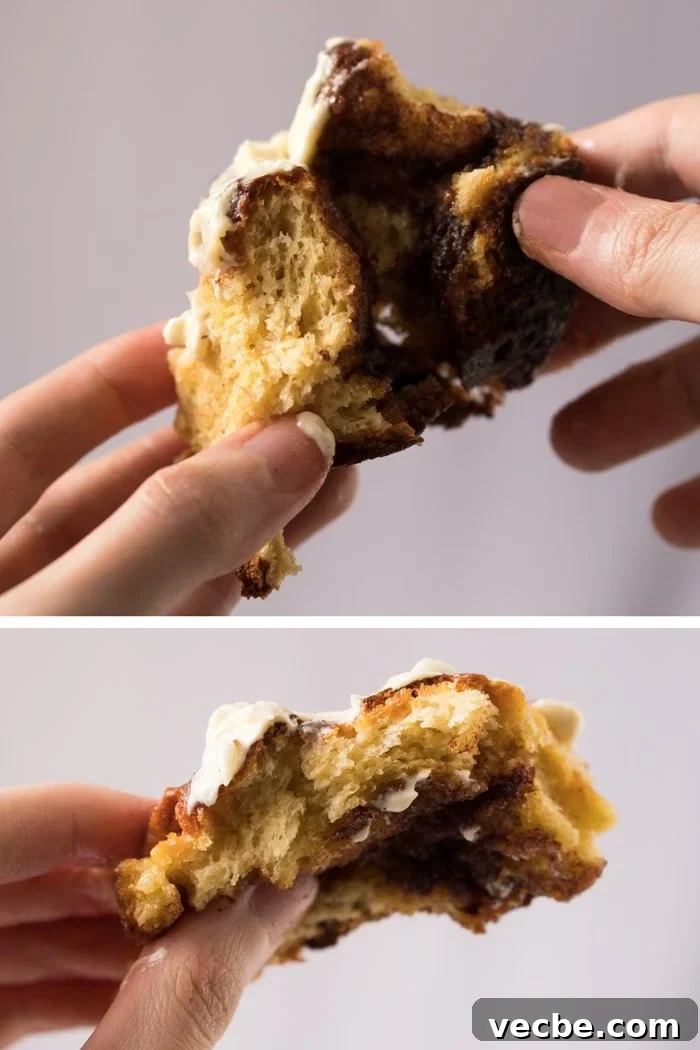
These cinnamon rolls rank among the best bread recipes on the site thanks to their soft crumb and gooey centers. The yeast gives them an authentic bread-like lift — they can double in size during proofing when handled correctly. The result is a tender roll with that familiar yeasty flavor many low‑carb breads lack.
They’re also straightforward to make, though like all yeast breads they benefit from attention to a few key details. For a quicker alternative, consider smaller knot-style cinnamon rolls that bake faster and are less fussy.
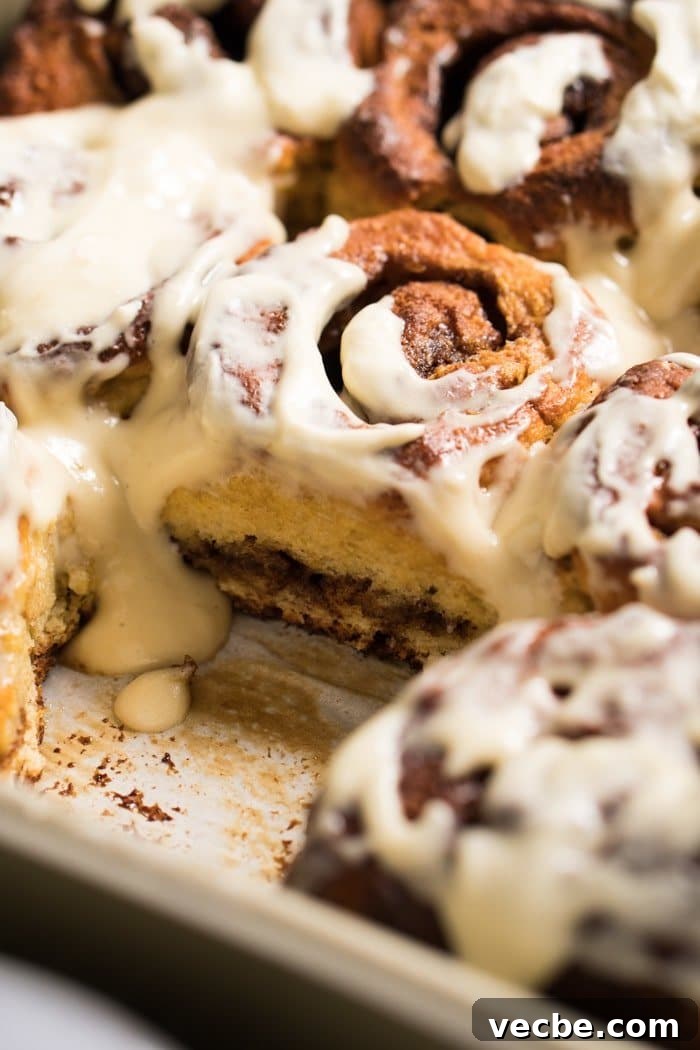
The Details
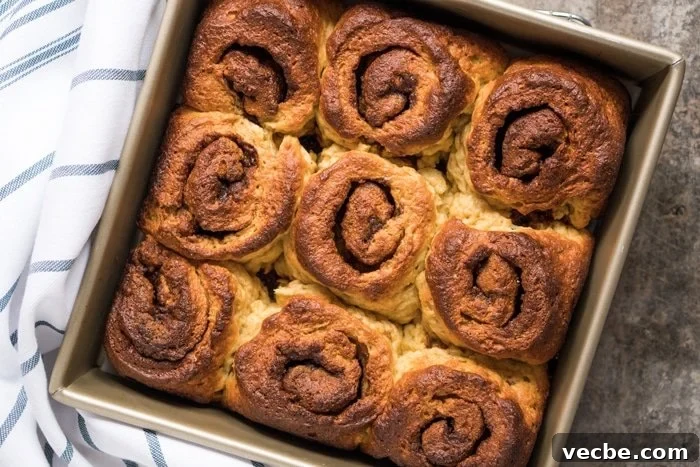
Making these paleo and keto cinnamon rolls is surprisingly simple, but they do require some care. Keto flours are heavier and wetter than wheat flour and lack gluten, so rolls may settle slightly after baking. Proofing to nearly double size is essential, and the dough benefits from gentle, consistent warmth — for example, placing the tray on top of a warming oven while it preheats. Avoid overheating the dough, which can kill the yeast; aim for a comfortably warm environment, similar to a warm, humid day.
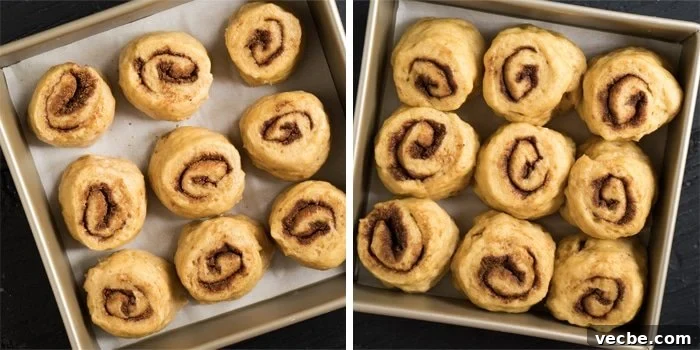
Before and After Rise
The Tips and Tricks
The active dry yeast provides a flavorful lift and a softer texture than most low‑carb quick breads. Rise and final texture will vary with altitude, temperature, and humidity — the recipe author develops this at high altitude (over 7,000 ft), so results at sea level are often even easier and may brown less.
Key recommendations:
- Weigh your ingredients. For reliable, consistent results use a kitchen scale. Gluten‑free and keto baking are sensitive to small differences; weighing reduces surprises.
- Bring ingredients to room temperature. Especially the eggs. Cold eggs and cold wet ingredients reduce yeast activity and hinder rise.
- Proof the yeast. Mix active dry yeast with warm water (about 105–110°F) and a small amount of fermentable sweetener (inulin or a bit of maple syrup) until foamy, about 7 minutes. This confirms the yeast is active.
- Avoid drafts and temperature shocks. Let the dough rest undisturbed in a warm area while it proofs.
- High altitude bakers: No special adjustments are required, but keep an eye on proofing times and oven browning.
The Ingredients and Substitutions
The ingredient list includes common paleo and keto pantry items. Below are key notes and safe substitutions, though for best results follow the recipe closely.
- Almond flour: Use a very finely ground almond flour. Coarser meal produces dense, oily rolls. In paleo or keto maintenance, you can replace about 6 tablespoons of almond flour with arrowroot flour for a lighter crumb.
- Golden flaxseed meal: Regrind golden flax in a dry blender until finely powdered to avoid a slimy texture. Psyllium husk powder can replace flaxseed meal, producing a slightly more whole‑wheat‑like crumb.
- Whey protein isolate: This helps the rolls hold shape and not collapse after baking. Different brands behave differently; choose a neutral unflavored whey isolate you trust.
- Xanthan gum: Acts as the principal gluten substitute and provides structure. Psyllium husk is an acceptable alternative.
- Ginger: A small pinch of powdered ginger helps dough conditioning but can be omitted without major impact.
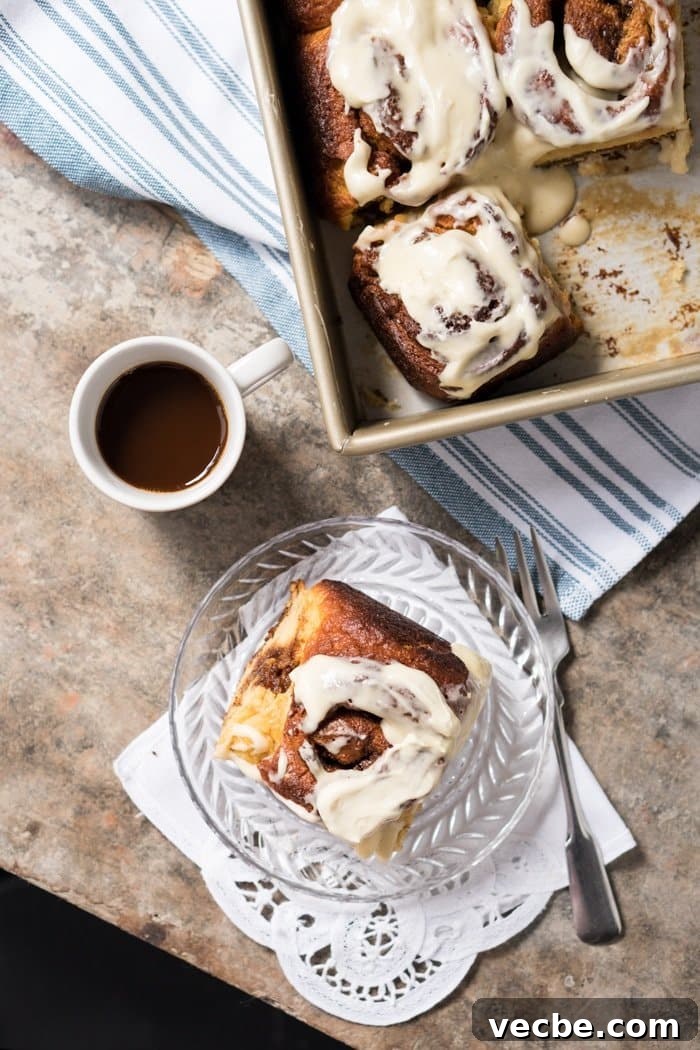
The Sweetener
These rolls perform best with allulose or erythritol as the primary sweetener. Avoid xylitol in recipes using yeast because xylitol can inhibit yeast activity. Brown sugar substitutes (e.g., golden erythritol blends) or a tiny amount of molasses can add depth for a brown-sugar flavor.
Recipe

Paleo & Keto Cinnamon Rolls (with yeast!)
30 mins
20 mins
1 hr
1 hr 50 mins
9 large rolls
319 kcal
Ingredients
For the gluten free & keto cinnamon rolls
- 58 g sour cream or coconut cream + 2 tsp apple cider vinegar
- 3 tablespoons water lukewarm (about 105–110°F)
- 1 tablespoon inulin or maple syrup to feed the yeast
- 1 tablespoon active dry yeast
- pinch ground ginger
- 216 g almond flour very finely ground
- 45 g golden flaxseed meal or 5 tbsp psyllium husk, finely ground
- 35 g whey protein isolate
- 4–6 tablespoons allulose or erythritol, to taste
- 2 1/4 teaspoons xanthan gum or 1 tbsp psyllium husk powder
- 2 1/4 teaspoons baking powder
- 1 1/2 teaspoon kosher salt
- 3 eggs at room temperature
- 21 g unsalted grass-fed butter or ghee/coconut oil, melted and cooled
- 1 tablespoon apple cider vinegar
For the cinnamon filling
- 42 g unsalted grass-fed butter softened
- 4–6 tablespoons allulose or erythritol, to taste
- 2 tablespoons ground cinnamon
For the glaze (not paleo)
- 90 g cream cheese at room temperature
- 42 g unsalted grass-fed butter
- 3–6 tablespoons allulose or powdered erythritol to taste
- 1 teaspoon vanilla extract
- pinch kosher salt
- heavy cream or almond milk, as needed
Instructions
For the paleo & keto cinnamon rolls
-
Prepare a 9×9-inch pan by lining the bottom with parchment paper. Set up a rolling station with a sheet of cling film about 9×9 inches, a small bowl of water to wet your fingers, and a little oil for spreading (avocado or neutral oil works well).
-
Mix the sour cream (or coconut cream + vinegar), the lukewarm water, and the inulin or maple syrup in a small bowl. Warm this mixture to about 105–110°F; it should feel lightly warm but not hot.
-
Add the yeast and a pinch of ginger to a large bowl. Pour the warm sour cream mixture over the yeast, cover with a kitchen towel, and let rest for about 7 minutes. The mixture should become bubbly — if it does not, the yeast was not properly activated.
-
While the yeast proofs, combine the dry ingredients: almond flour, golden flaxseed meal, whey protein powder, sweetener, xanthan gum, baking powder, and salt. Whisk together until even.
-
Once the yeast is foamy, add the eggs, the cooled melted butter, and the apple cider vinegar. Mix with an electric mixer for about a minute until blended. Add the flour mixture all at once and mix quickly until incorporated. The dough will be sticky; use a wet spatula to gather it into a ball.
-
Divide the dough into three portions to work more easily. Lightly oil the cling film and spread one portion with wet fingers into a roughly 7.5×9-inch rectangle. Brush with melted butter, sprinkle cinnamon sugar to taste leaving a 1-inch gap at the top, then roll tightly using the cling film to guide you. Seal the edge with a wet fingertip. Wet a sharp knife blade and cut into three rolls if working in thirds. Repeat with remaining portions.
-
Arrange the rolls in the prepared pan, cover with a kitchen towel, and proof in a warm, draft‑free spot for 50–60 minutes, until nearly doubled. Timing depends on your environment, so check periodically.
-
Preheat the oven to 400°F (200°C) while the dough proofs.
-
Make the glaze during proofing by beating the cream cheese, butter and powdered sweetener until light and fluffy. Add vanilla, a pinch of salt, and thin as needed with a teaspoon of heavy cream or almond milk to reach desired consistency. Set aside.
-
Place the pan on a baking sheet and bake for 17–25 minutes until deep golden. At about 8 minutes cover loosely with foil (do not let foil touch the rolls) to prevent excessive browning. Shorter bake time gives gooier centers; longer time yields a firmer, more bread-like texture.
-
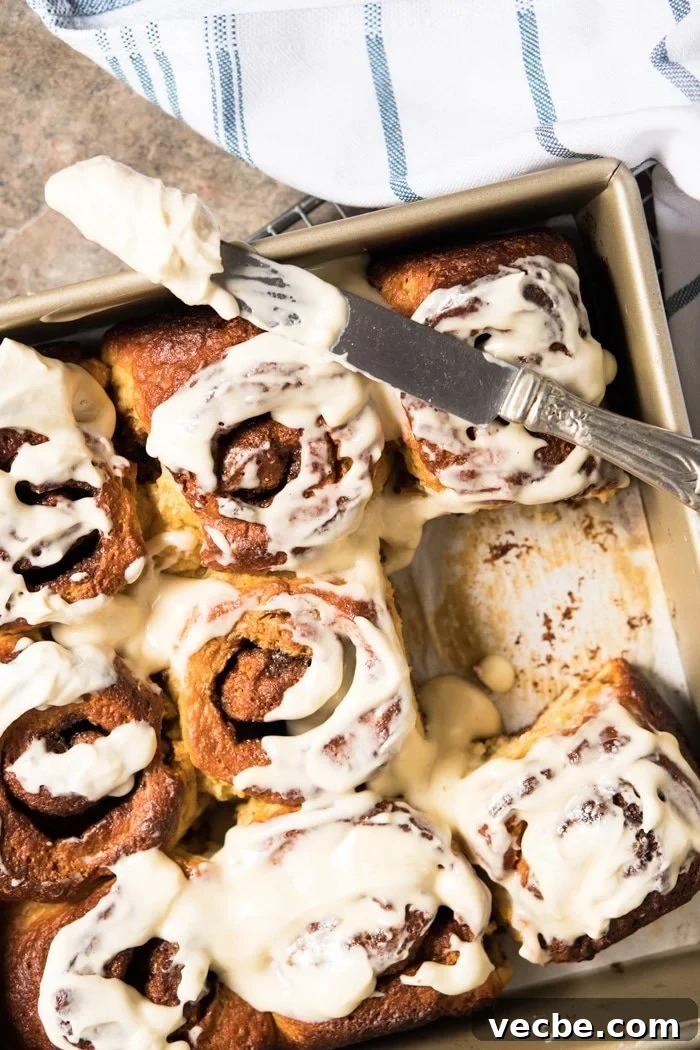
Spread the glaze over the rolls as soon as they come out of the oven if you plan to eat them the same day. Slight deflation after baking is normal; the texture remains tender and moist.
-
Store rolls in an airtight container or wrapped tightly at room temperature for 2–3 days. Rewarm briefly before serving.
Notes
Feeding the yeast: Use inulin or a small amount of real sugar (maple syrup) to activate the yeast — the yeast consumes the sugar and produces carbon dioxide, contributing to the rise without affecting the final carb effect of non‑fermentable sweeteners.
Paleo option: Replace up to 6 tablespoons of almond flour with arrowroot flour for a lighter crumb if following strict paleo or keto maintenance.
Psyllium alternative: Substituting psyllium for golden flaxseed yields a slightly more whole‑wheat‑like texture, which some bakers prefer.
Nutrition estimates are provided per roll and include filling and glaze. Net carbs are approximately 4 g per roll.
Nutrition
|
Calories: 319kcal
|
Carbohydrates: 8g
|
Protein: 8g
|
Fat: 29g
Tried this recipe?
Share your results and tag the author on social media if you like.