Long before modern medicines, human communities were tightly connected to the natural world. Survival and well‑being depended on knowing the land: soil quality, weather patterns, seasonal cycles, and the plants nearby. People relied on nature not only for food and shelter but also for remedies to soothe common ailments, aches, and skin problems.
Elders and healers passed down practical knowledge about which plants eased infections, reduced pain, or soothed digestive troubles. Some herbs were chewed to numb a toothache, others brewed as teas for upset stomachs, and some were made into poultices or compresses to treat burns and fevers. This traditional plant wisdom laid the groundwork for many of today’s approaches to medicine, naturopathy, and herbal care.
While modern pharmaceuticals offer powerful and convenient treatments, there’s value in keeping a small collection of easy‑to‑grow medicinal plants at home. They can provide gentle support for everyday complaints and add beauty and fragrance to your space.
7 Easy-To-Grow Medicinal Plants You Can Grow at Home
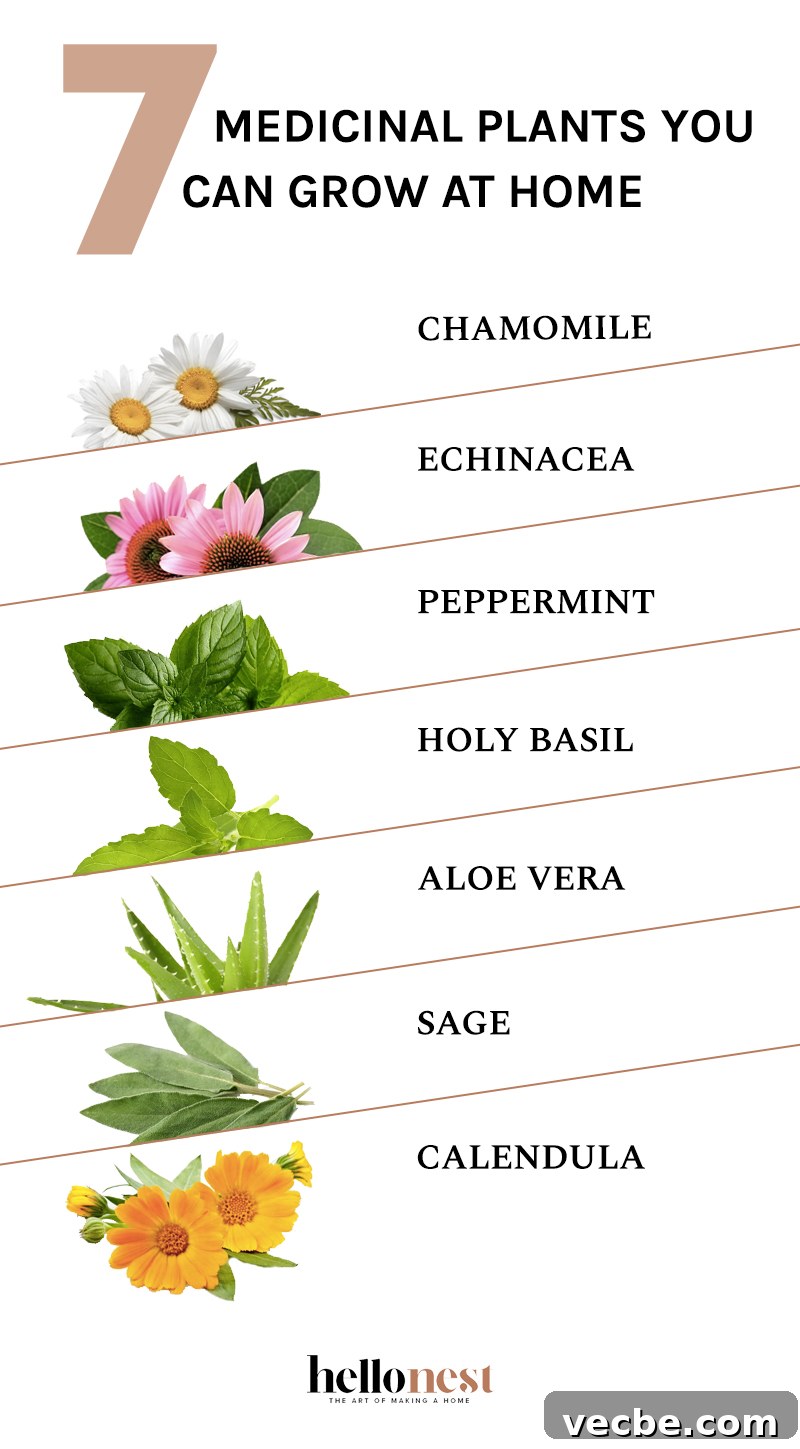
Below are seven reliable, easy‑to‑grow medicinal plants suitable for containers or garden beds, with practical uses for common ailments and basic care tips so you can keep an effective, homegrown herbal first aid supply.
Note: if you are pregnant or breastfeeding, consult your healthcare professional before using herbal remedies or supplements.
1. Chamomile
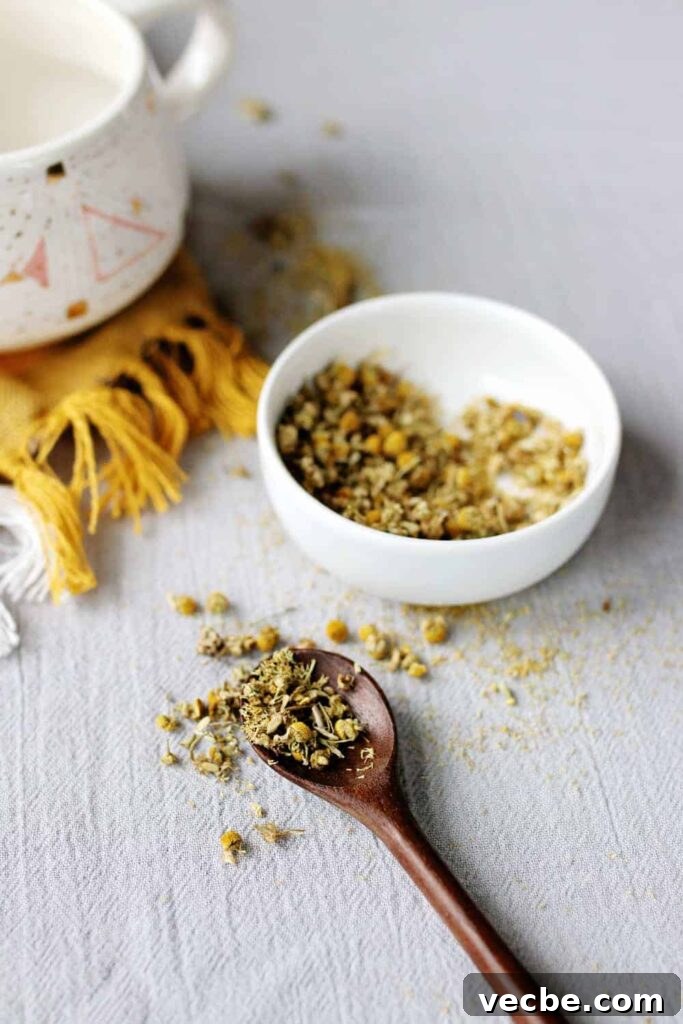
Chamomile is a gentle, daisy‑like herb prized worldwide for its calming and digestive properties. Traditionally used to help with sleep issues, digestive discomfort, and menstrual cramps, chamomile flowers are also valued for their mild relaxing effects when used as an essential oil.
Grow chamomile in a clay pot near a south‑facing window and water consistently. Harvest fresh flowers to make tea for soothing an upset stomach or easing sleeplessness—about 3–4 tablespoons of fresh flowers per 8 ounces of water is a common home preparation. Indoor plants add a pleasant scent to living spaces and can contribute to a calmer atmosphere.
2. Echinacea
Echinacea, or purple coneflower, is a popular traditional herb for supporting the immune system and calming inflammation. It is commonly used at the first signs of colds and sore throats and can be prepared from flowers, leaves, or roots as teas, tinctures, or infusions.
Echinacea thrives in full sun and makes a colorful addition to flower beds. It can also grow in large pots. Having echinacea in your garden offers both ornamental value and a practical herbal resource for seasonal respiratory support.
3. Peppermint
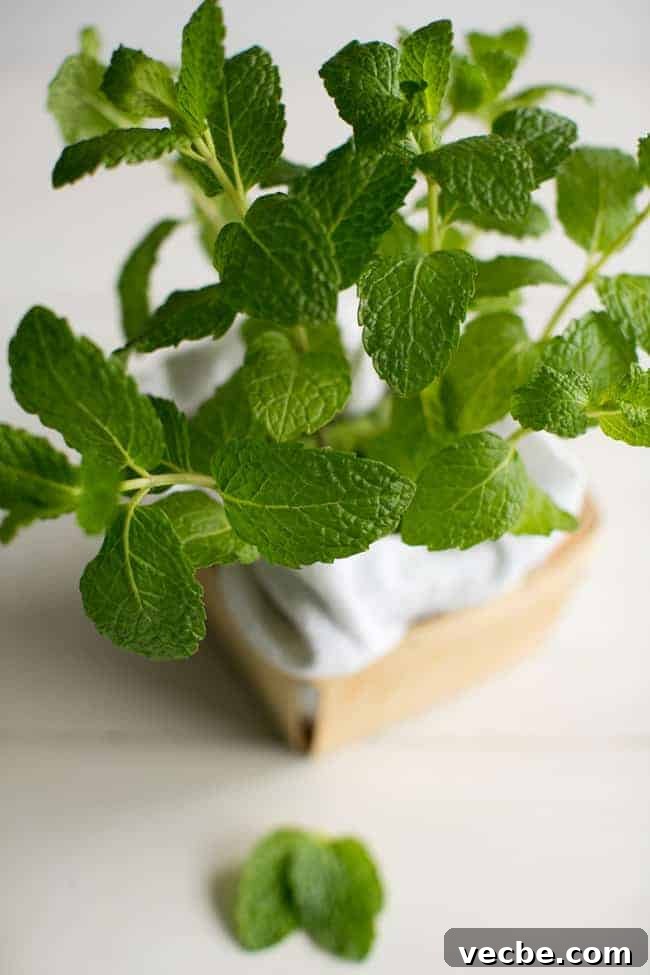
Peppermint is widely used to aid digestion and relieve nausea, and its aromatic leaves are often enjoyed after meals. The menthol content can also provide relief for mild headaches and soothe symptoms of colds and congestion.
Mint spreads rapidly outdoors, so grow it in pots if you want to control its spread. Indoors, give peppermint a sunny spot and regular watering. Use fresh leaves in salads, chew a leaf for quick relief from nausea, or brew a cup of peppermint tea after eating to support digestion.
4. Holy Basil (Tulsi)
Tulsi, or holy basil, is a central herb in Ayurvedic tradition and is regarded as an adaptogen that helps the body manage stress. It has long been used to support respiratory health and to calm the mind and body.
Tulsi grows well from seed in warm, sunny locations and adapts to container life. Harvest the leaves for tea to enjoy during stressful times, when you need a soothing ritual, or as a gentle respiratory aid during cold season.
5. Aloe
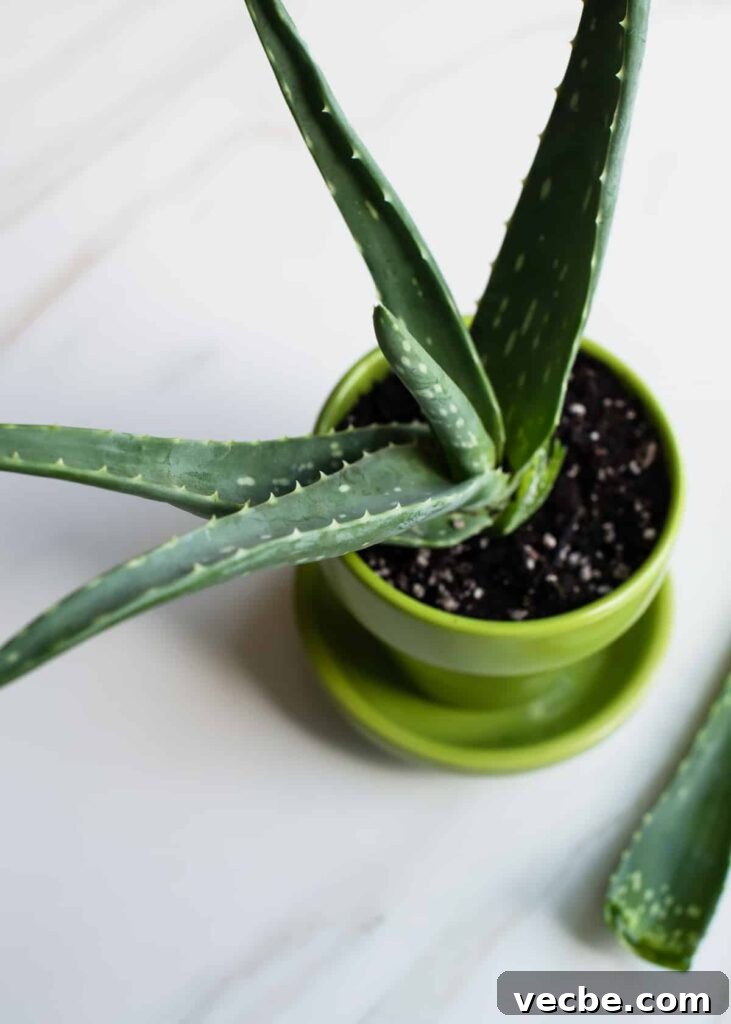
Aloe vera is a low‑maintenance succulent known for its soothing, gel‑filled leaves. The clear gel is commonly used topically for minor burns, sunburn, and skin irritations thanks to its cooling, moisturizing qualities.
Grow aloe in a porous clay pot with well‑draining succulent soil. Water sparingly—allow the soil to dry between thorough waterings—to mimic its native dry environment. Harvest mature leaves by cutting close to the base and extract the inner gel for topical use. Aloe also produces offsets that can be repotted to expand your collection.
6. Sage
Sage (Salvia) is both a culinary and medicinal herb. Traditionally used for digestive complaints such as gas, bloating, and indigestion, sage also serves as a soothing gargle or topical rinse for sore throats, mouth sores, and inflamed gums.
Sage grows well in pots or herb beds and can be harvested fresh or dried for winter use. Sage tea has a strong, bitter flavor; sweetening with a bit of honey and adding lemon can make it more palatable while adding additional soothing benefits.
7. Calendula
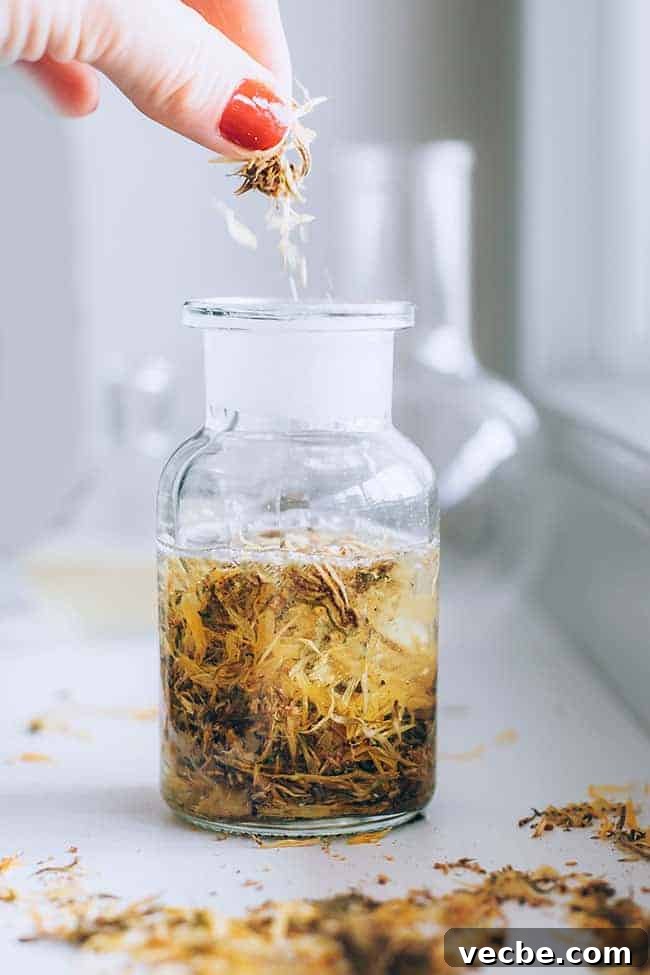
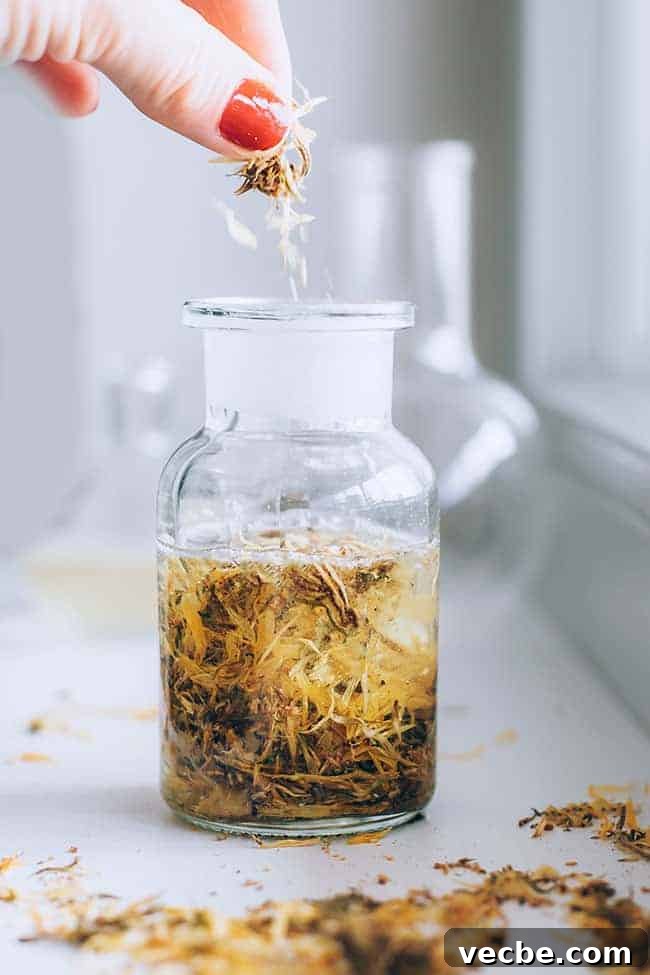
Calendula, commonly called pot marigold, produces bright orange flowers that are valued for gentle skin care. With anti‑inflammatory and cleansing properties, calendula is frequently used in salves, creams, and oils to help soothe rashes, minor wounds, eczema, and other skin irritations.
Both fresh and dried calendula flowers are useful. You can infuse them into oil for homemade balms or prepare compresses and poultices. Growing calendula in pots keeps blooms handy for frequent use and adds cheerful color to your garden or windowsill.
Creating a small medicinal herb garden—whether a row of pots on a sunny windowsill or a dedicated outdoor bed—provides easy access to natural remedies and brings living beauty into your home. These seven herbs are a great starting point for anyone interested in practical, homegrown wellness care.