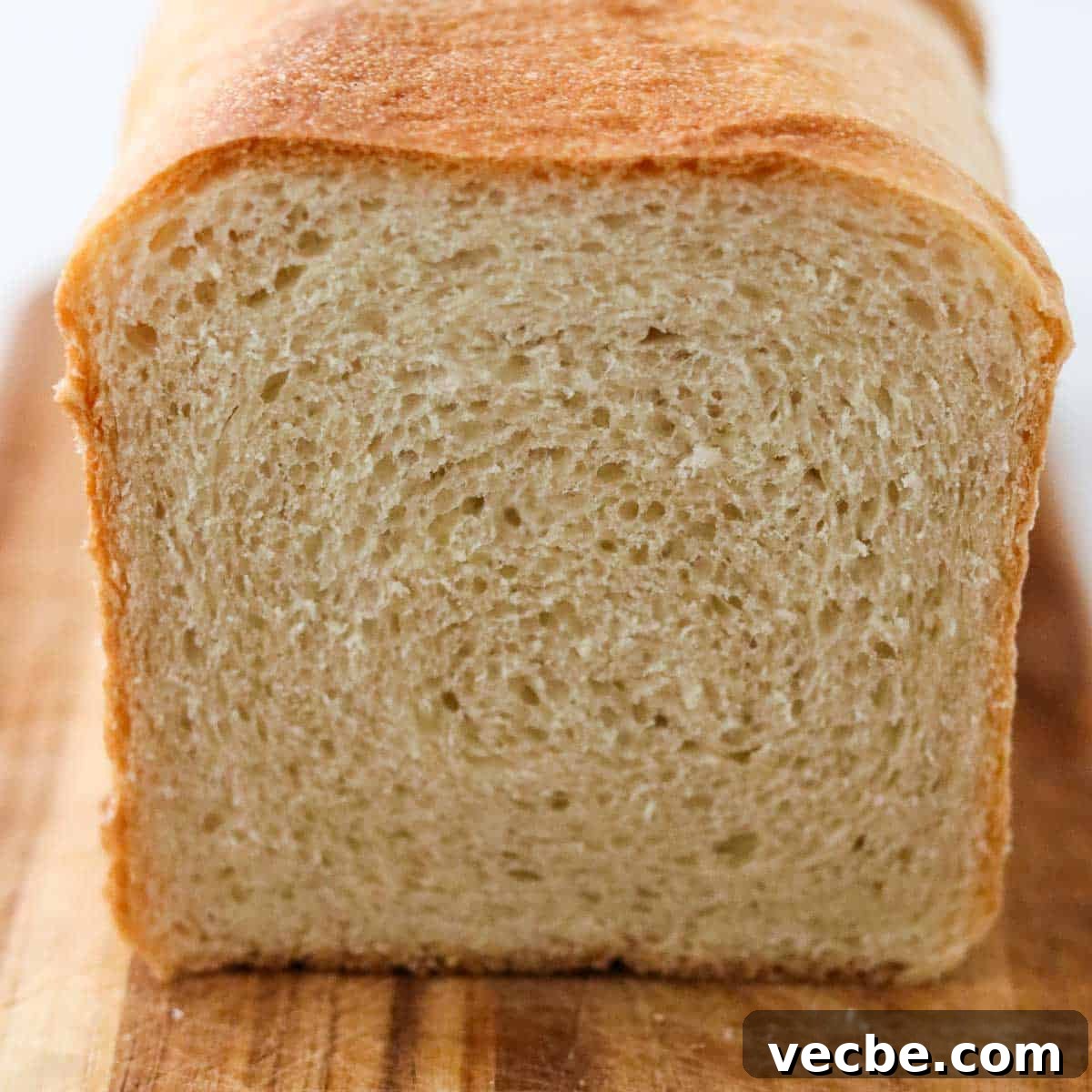
This easy homemade buttermilk bread recipe yields a loaf with a tender, pillowy crumb and a subtle tang from the buttermilk. Light enough for everyday sandwiches but rich enough toasting with butter and jam, this bread becomes a reliable staple. The texture holds up well when toasted, making it ideal for open-faced sandwiches, classic toast, and any recipe that benefits from a soft, slightly tangy white loaf.
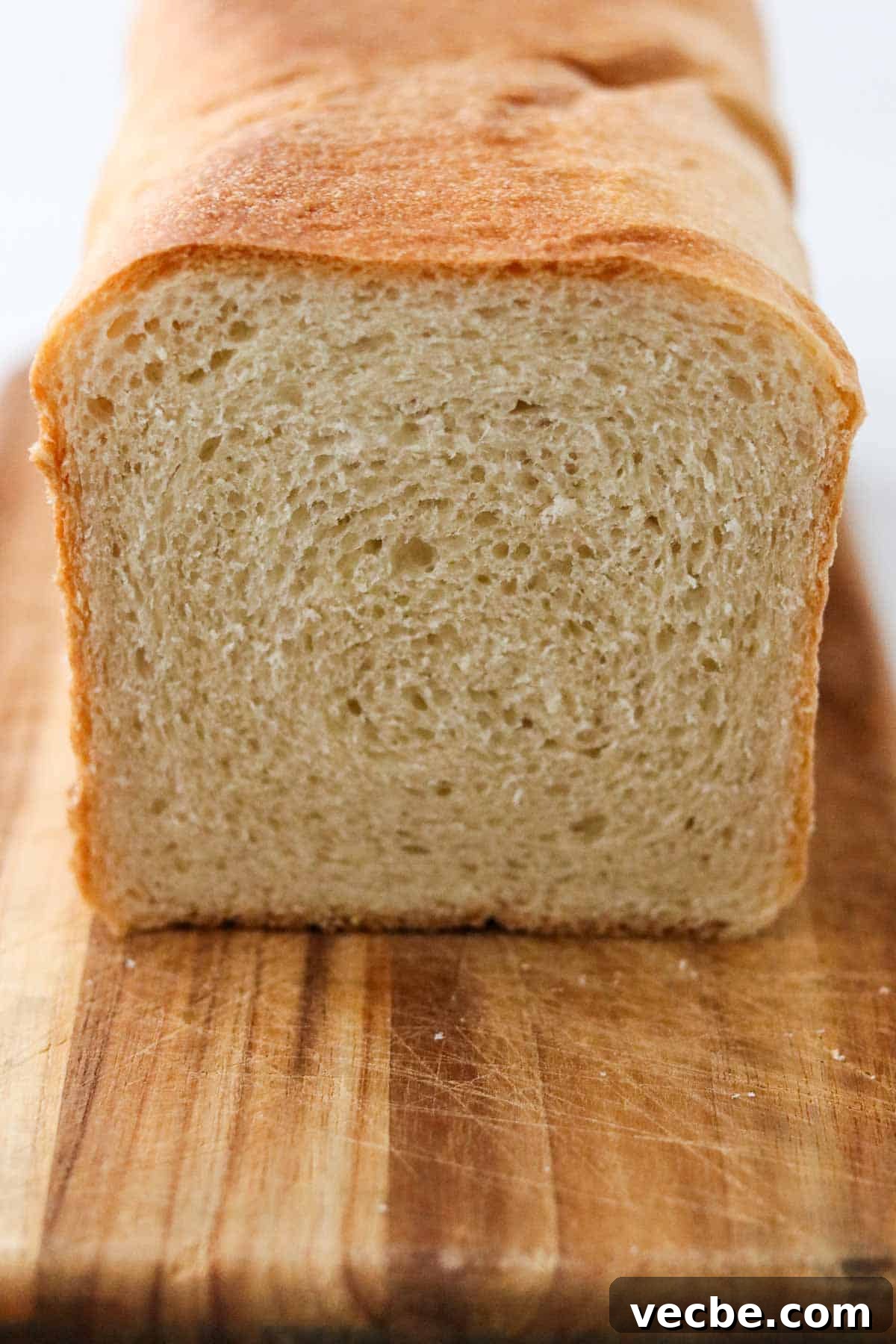
This version was inspired by a trip to Denmark, where I enjoyed many toasted open-faced sandwiches layered on bread very similar to this loaf. It toasts to a crisp edge while remaining soft inside, and it is versatile enough for sweet or savory toppings. Whether you keep it simple or use it as a base for a more elaborate dish, this buttermilk bread is straightforward to prepare and forgiving for bakers of all skill levels.
On days when you want a lighter loaf instead of a dense rye or hearty whole-grain bread, this buttermilk loaf is an excellent choice. It pairs beautifully with Scandinavian-style toppings, classic grilled cheese, and breakfast dishes like French toast.
Ingredients
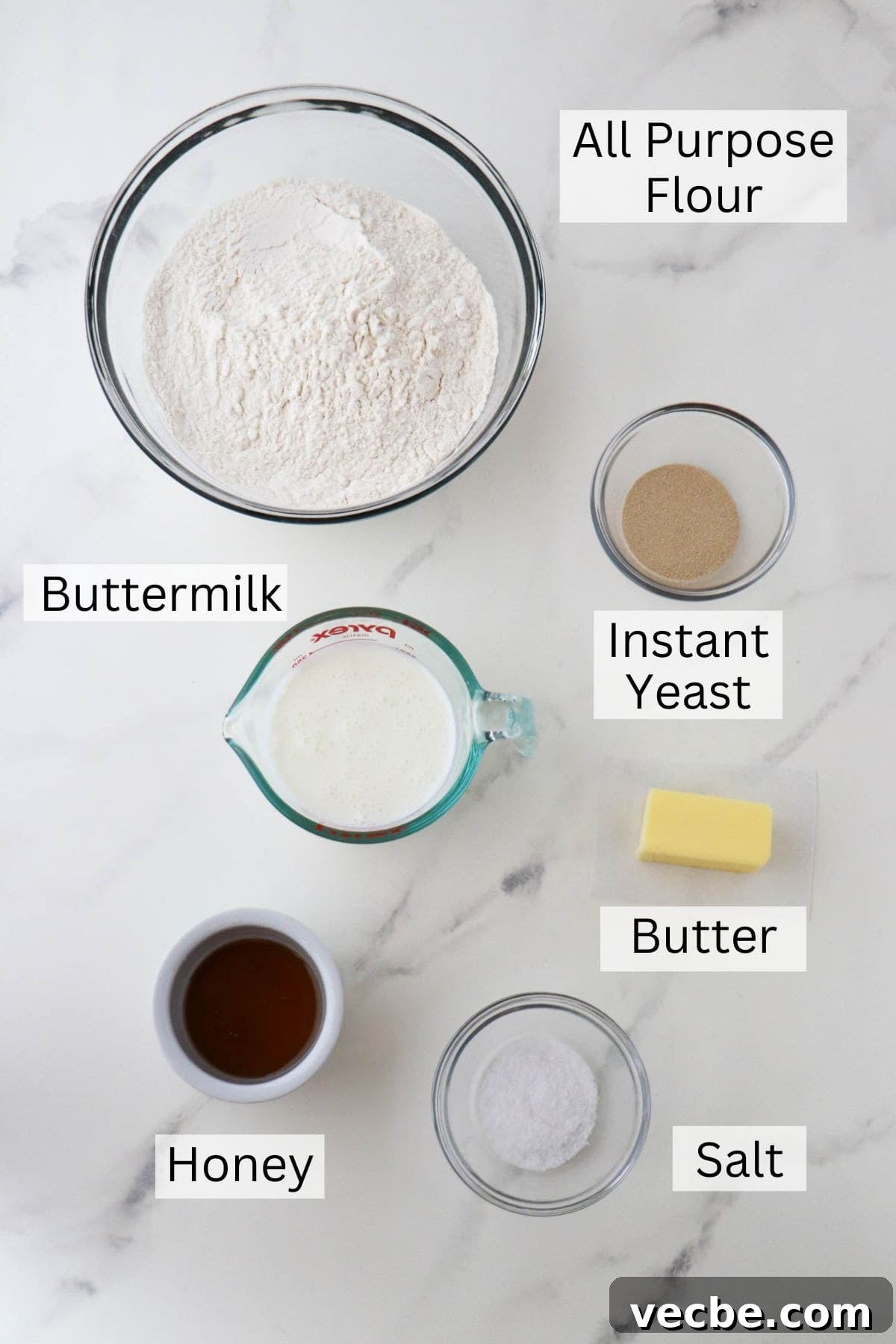
- All-Purpose Flour: Creates a sturdy yet soft crumb; the recipe uses the common pantry staple.
- Buttermilk: Adds a mild tang and helps keep the crumb tender.
- Instant Yeast: A reliable leavener for steady rise and light texture.
- Honey: A touch of sweetness to balance the buttermilk’s acidity.
- Unsalted Butter: Adds richness and flavor to the loaf.
- Salt: Essential for flavor balance and structure.
See the recipe section below for precise measurements and step-by-step instructions.
Substitutions
- No buttermilk? Stir 1 tablespoon distilled white vinegar or lemon juice into 1 cup milk and let it rest for about 10 minutes to thicken; this makes a reliable buttermilk substitute.
- Replace honey with an equal amount of maple syrup if you prefer.
- Vegetable oil can be used instead of butter for a dairy-free option.
- Using active dry yeast: Warm the buttermilk to about 100–110°F (just warm to the touch), sprinkle 1 tablespoon active dry yeast over it, stir, and let sit 10 minutes until bubbly before proceeding.
Variations
- Herbed Buttermilk Bread: Fold in 1–2 tablespoons chopped fresh herbs (rosemary, thyme, dill, or chives) near the end of kneading for aromatic slices.
- Whole Wheat Blend: Substitute up to half the all-purpose flour with whole wheat flour for a nuttier flavor and a slightly denser crumb.
Instructions
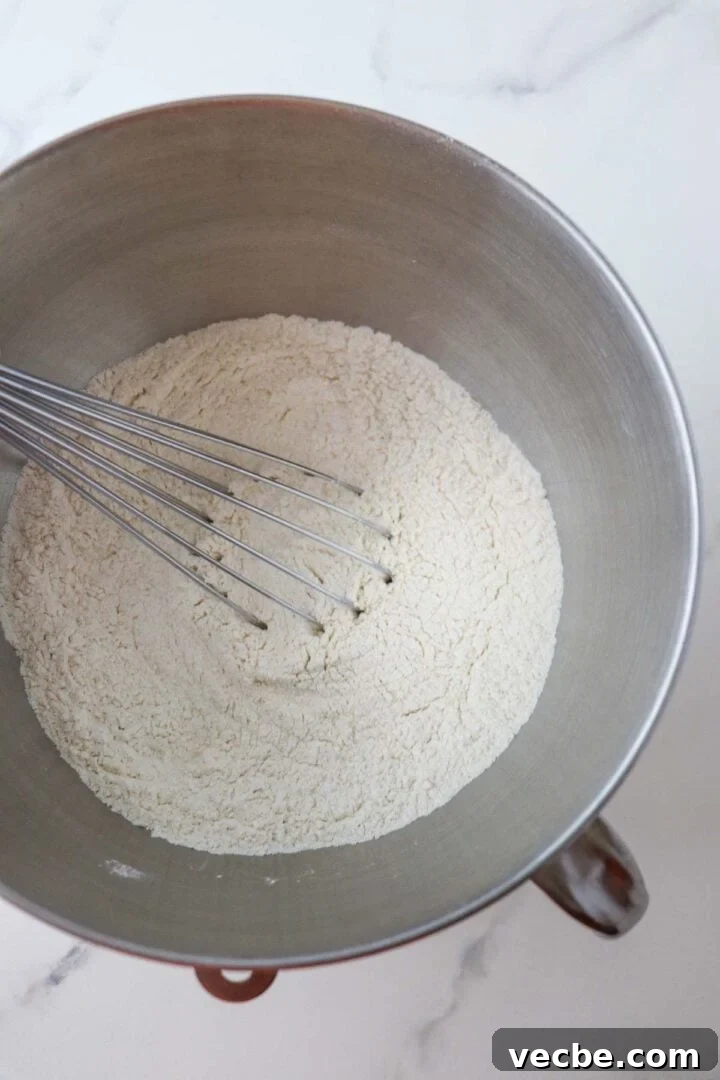
- Step 1: Whisk the flour, instant yeast, and salt together in the bowl of a stand mixer.
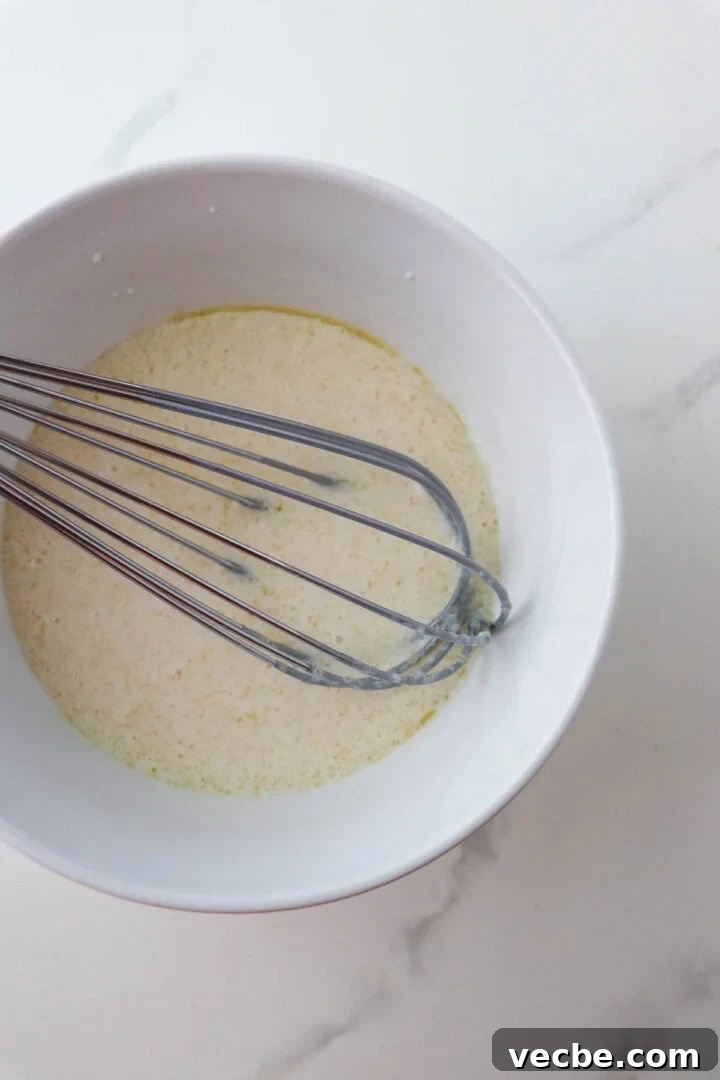
- Step 2: In a separate bowl, whisk the buttermilk, water, melted butter, and honey until the honey is fully dissolved.
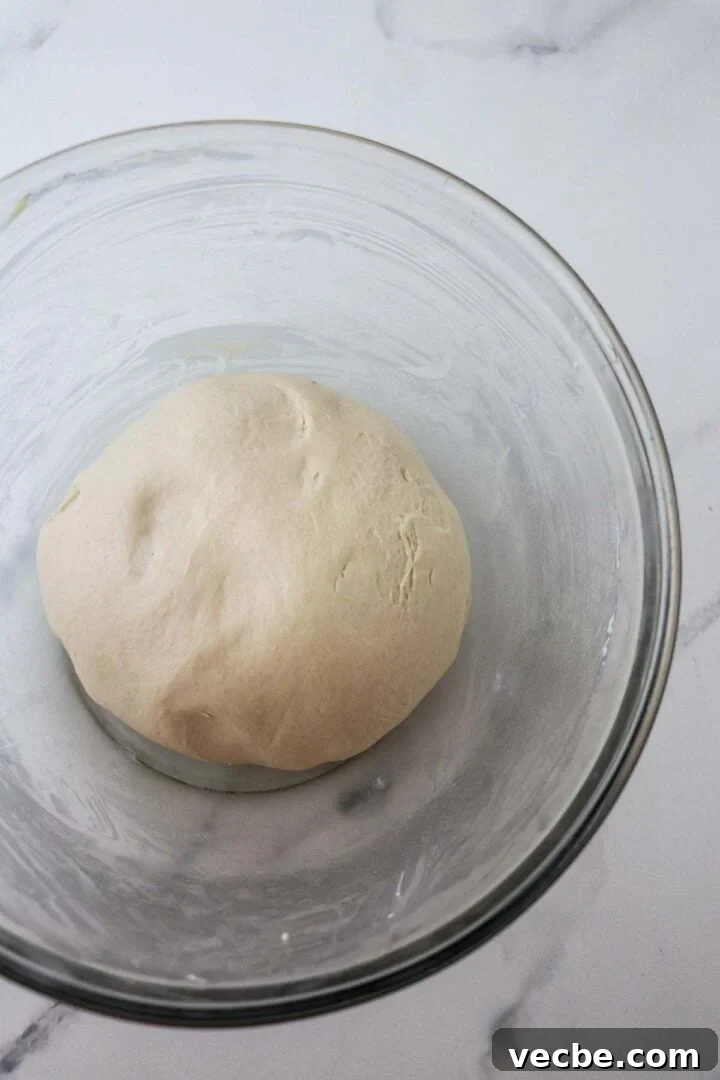
- Step 3: Fit the stand mixer with the dough hook. With the mixer on low, slowly add the liquid to the dry ingredients. Mix until the dough just comes together, then increase speed to medium-low and knead until smooth and elastic, about 7 minutes. The dough should clear the sides of the bowl.
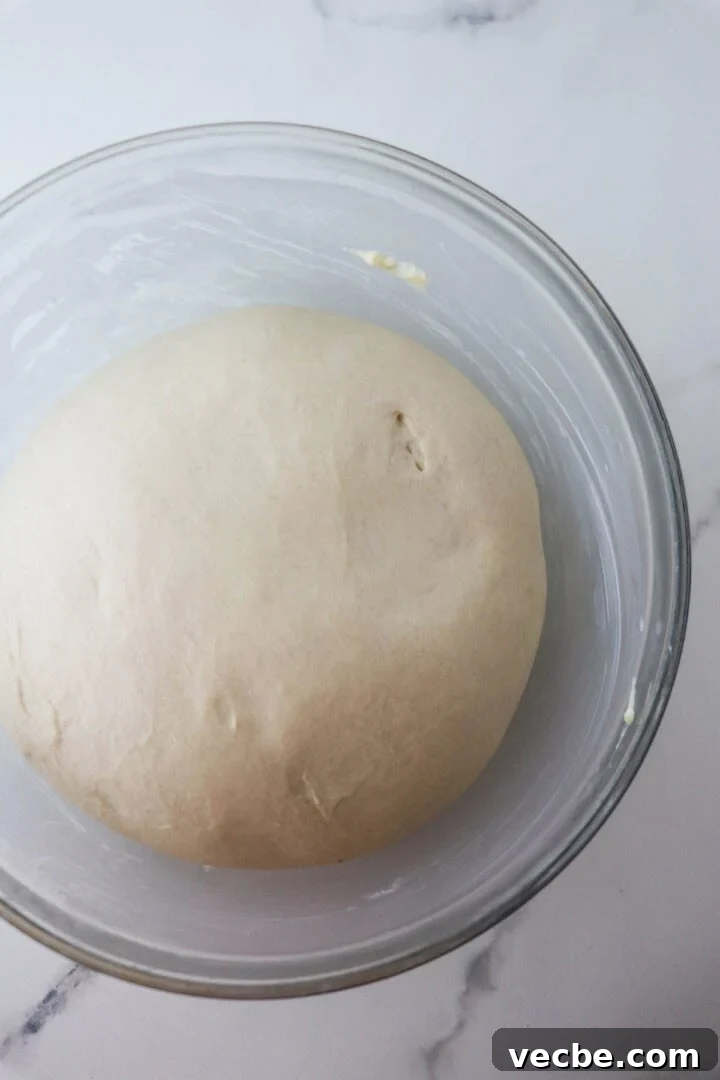
- Step 4: Transfer the dough to a lightly greased bowl, cover, and let rise at room temperature until doubled, about 1½ hours.
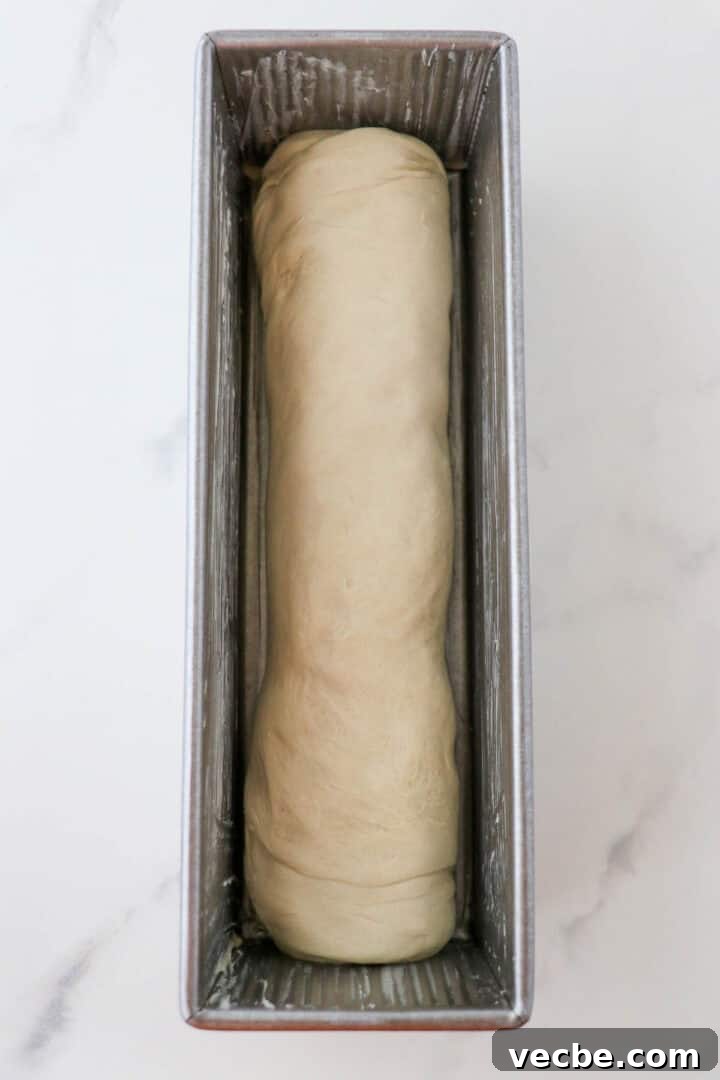
- Step 5: Grease a 13 x 4 inch Pullman-style loaf pan and lid. On a lightly floured surface, press or roll the risen dough into a 10 x 12 inch rectangle with the long side parallel to the counter. Roll the dough away from you into a tight cylinder, pinch the seam closed, and place seam-side down into the prepared pan, pressing into the corners.
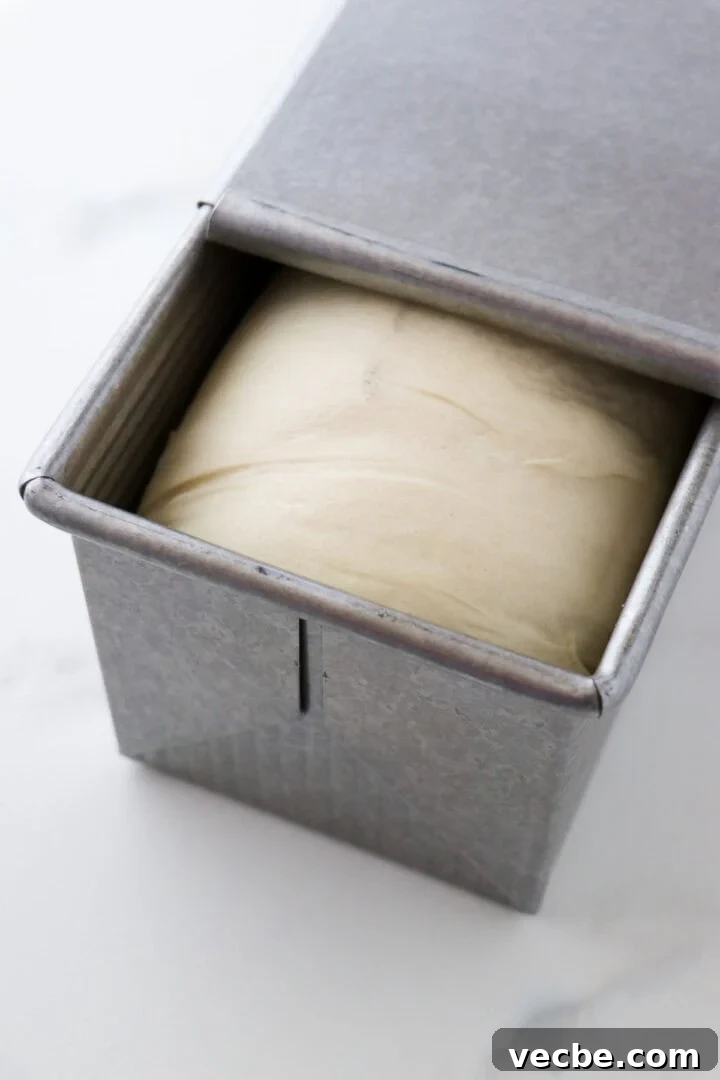
- Step 6: Slide the lid onto the pan and let the dough rise at room temperature until it is level with the top of the pan, about 1–1½ hours.
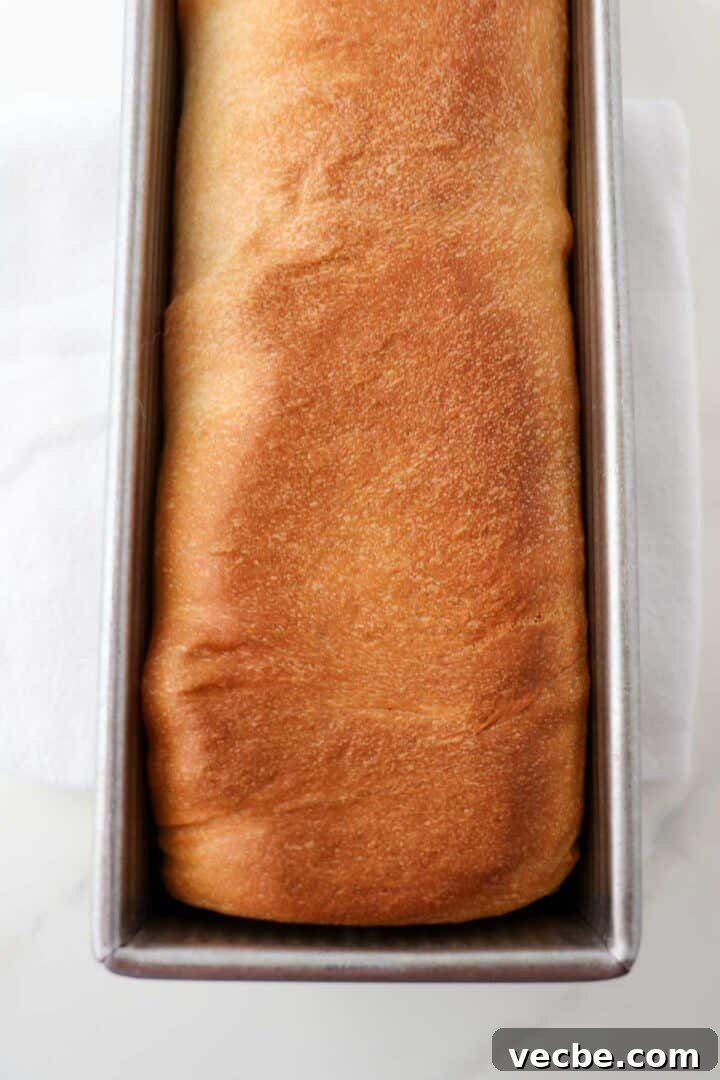
- Step 7: Preheat the oven to 350°F. Bake the covered pan for 20 minutes, then carefully remove the lid, rotate the pan, and continue baking uncovered for 15–20 minutes more until golden and an instant-read thermometer reads about 210°F in the center.
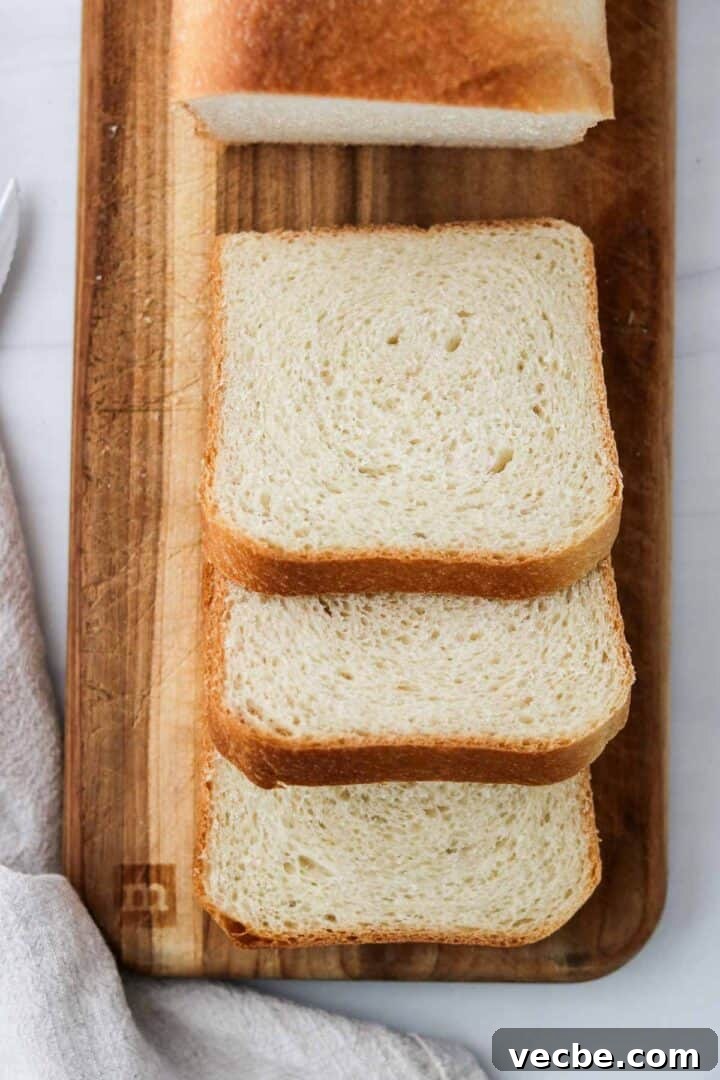
- Step 8: Cool the loaf in the pan for 15 minutes, then turn it out onto a wire rack. Cool completely before slicing for the cleanest slices and best texture.
Recipe FAQ
Buttermilk bread resembles a classic white sandwich loaf but with a mild tang and extra richness from the buttermilk, giving it a pleasant, layered flavor.
Buttermilk adds acidity, which tenderizes the gluten proteins and contributes to a soft, fine crumb while adding a subtle tang to the flavor.
Yes — the bread will still be good, but it will lack the slight tang and the marginally softer crumb that buttermilk provides.
Wrap the cooled loaf well and store at room temperature for up to three days. For longer storage, slice and freeze in portions so you can remove only what you need.
Use two standard 9 x 5 loaf pans instead, divide the dough evenly, and cover with a greased baking sheet during the covered portion of baking. Baking times may vary slightly.
How to Use Buttermilk Bread
This loaf is versatile in both sweet and savory applications. Try it toasted with butter and jam, layered under smoked fish with capers and fresh dill for an open-face sandwich, made into a classic grilled cheese, or used to prepare French toast. Cut into cubes and lightly caramelize them in butter and sugar for a topping in fruit trifles, or use thick slices for hearty toast topped with avocado, egg, or your favorite spread.
Related Recipes
If you enjoy baking, you might also like other Scandinavian-inspired recipes such as cream puffs, buttery caramel cookies, traditional sweet buns, and tart desserts. These make excellent accompaniments to this buttermilk loaf, whether for breakfast, brunch, or an afternoon treat.
If you try this Soft and Tender Buttermilk Bread, please leave a rating or comment to share how it turned out. Home bakers often find small adjustments—like hydration, humidity, and oven differences—affect the final loaf, so your feedback helps refine the method for different kitchens.
Recipe
Soft and Tender Buttermilk Bread
Prep Time: 20 minutes • Cook Time: 40 minutes • Rising Time: 2–2½ hours • Total Time: 3½ hours
Servings: about 26 slices • Calories: 97 kcal per slice (approx.)
Ingredients
- 4 cups (about 20 ounces) all-purpose flour
- 1 tablespoon instant yeast
- 2 teaspoons salt
- 1 cup buttermilk
- 1/3 cup water, room temperature
- 4 tablespoons unsalted butter, melted
- 2 tablespoons honey
- Butter for greasing the bowl and the pan
Instructions (Condensed)
- Whisk flour, yeast, and salt in a mixer bowl. Whisk buttermilk, water, melted butter, and honey together in a separate bowl.
- Attach the dough hook and add liquids slowly to the dry ingredients on low. Mix until combined, then knead on medium-low for about 7 minutes until smooth and elastic.
- Place dough in a greased bowl, cover, and let rise until doubled, about 1½ hours.
- Shape into a tight cylinder from a 10 x 12 rectangle and place seam-side down into a greased 13 x 4 inch Pullman pan. Cover with the lid and let rise until level with the pan top, about 1–1½ hours.
- Bake covered at 350°F for 20 minutes, remove the lid, rotate the pan, and bake uncovered another 15–20 minutes until golden and the center reaches about 210°F. Cool 15 minutes in the pan, then transfer to a wire rack to cool completely before slicing.
Notes
For best slicing, let the loaf cool fully. Freeze slices individually for easy toast later. Adjust flour slightly if the dough feels too sticky—flour weight and humidity can affect hydration.