Warm weather brings open windows and outdoor living — and with them come ants, mosquitoes, wasps and other pests that quickly treat your home like their seasonal rental. DIY tricks and neighbor advice help a little, but persistent invasions need a clearer plan based on local conditions like humidity, coastal breezes, and dense development. A local New Jersey pest control guide can also help you build an effective strategy.
Common Summer Pest Culprits
New Jersey’s hot, humid summers attract insects and rodents searching for food, water, and shelter. Many arrive before you notice them, and by then damage can already be underway.
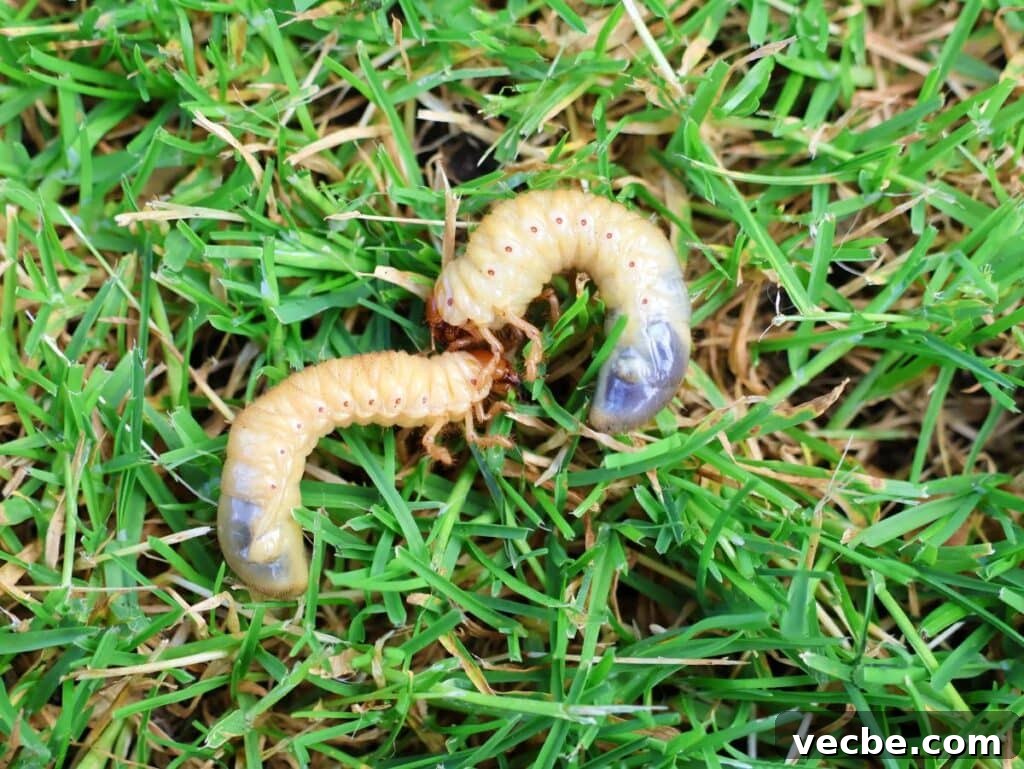
- Grubs feed on turf roots, creating brown, spongy patches that feel loose when you pull the grass after watering.
- Chinch bugs suck sap from heat-stressed blades, leaving yellow or straw-colored strips across sunny areas of lawn.
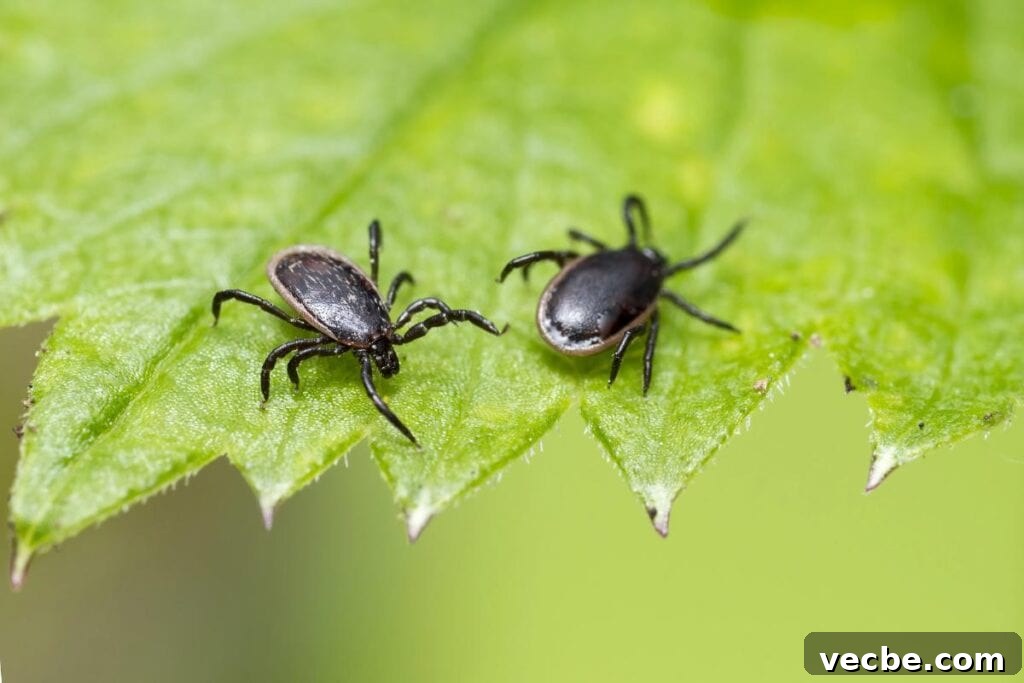
- Ticks hide in tall grass and shady borders, waiting to latch onto pets or people and potentially gaining access indoors.
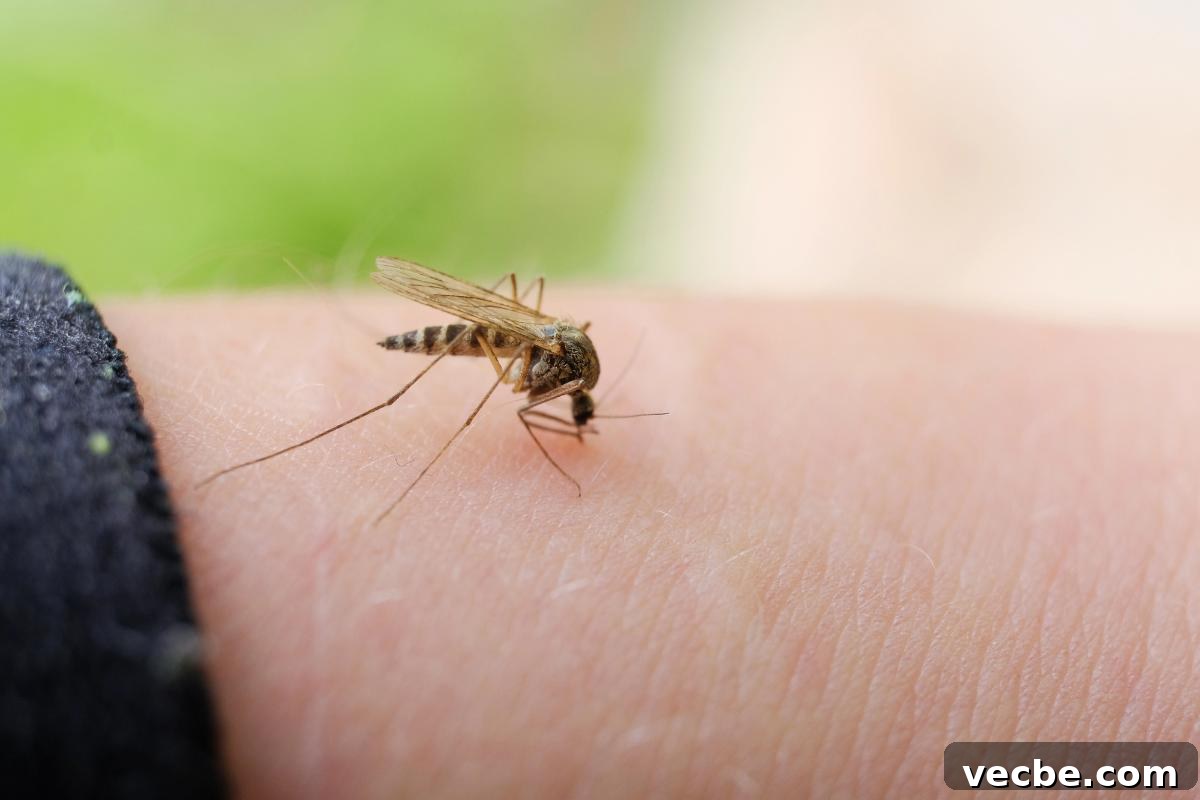
- Mosquitoes breed in standing water—gutters, birdbaths, and low spots become nurseries that turn evenings into itchy affairs.
Weekly walk-throughs help you match damage patterns with the appropriate response before small problems escalate.
Why Infestations Spike in Summer
Warm temperatures accelerate insect metabolism and shorten reproductive cycles. One overlooked pest can become hundreds in a matter of weeks when conditions favor rapid growth.
Faster Life Cycles
Eggs hatch and larvae mature faster in warm conditions, often outpacing natural predators and creating population surges that challenge casual DIY control.
Summer Habits That Help Pests
Open windows, backyard meals, and overflowing trash provide easy access to food and shelter, while vacations and busy schedules delay responses long enough for pests to establish nests.
Secondary Invaders
Removing one species can leave ecological gaps that other opportunistic pests fill, so integrated, long-term control is necessary to prevent recurring problems.
Hidden Entry Points
Pests rarely use the front door. They slip through tiny gaps—often smaller than a dime—around utilities, rooflines, vents, and foundation mortar. Sprays applied only at ground level miss these routes.
- Utility penetrations behind hose bibs or cable boxes can crack with seasonal expansion, creating pathways into wall voids and insulation.
- Roofline overlaps where soffits meet fascia may warp, allowing wasps, bats, or other nesting animals to establish sites above living spaces.
- Dryer vents with missing flaps draw warm, lint-scented air that attracts spiders, silverfish, and sometimes mice.
- Crumbling mortar along foundations gives subterranean pests like termites easier access to structural wood, bypassing exterior deterrents.
On your next weekend project, inspect the perimeter with a flashlight and seal suspect gaps with silicone, steel wool, or hardware cloth to block common entry points.
Damage and Health Risks
Ignoring an infestation turns nuisances into costly repairs and health concerns. Insurance often excludes damage attributed to preventable maintenance, so early action preserves both home and wallet.
Structural Damage
Termites and carpenter ants weaken framing and joists, while rodents can chew electrical wiring, increasing fire risk and triggering expensive remediation and inspections.
Allergens and Disease
Allergic reactions can be aggravated by cockroach droppings, dust-mite debris, or rodent dander. Ticks, fleas, and mosquitoes can transmit illnesses such as Lyme disease and mosquito-borne viruses.
Reputation and Resale Impact
Visible pest activity or droppings during a home showing can reduce offers, prolong time on market, and lead buyers to demand whole-home treatments before closing.
Telltale Signs Indoors
Early detection depends on using your senses. Inspect seldom-used rooms, attics, and crawl spaces every other weekend to catch problems while they’re still manageable.
Unusual Odors
Musty, sweet scents may indicate bed bugs; sharp, ammonia-like smells often point to mouse urine. Any unfamiliar or persistent odor deserves a prompt check.
Strange Noises
Scratching behind walls at night usually signals rodents, while faint fluttering in vents or eaves can mean wasps or other insects exploring nest sites.
Physical Evidence
Look for rice-shaped droppings, shed skins, grease marks, or tiny sawdust piles—these signs confirm activity even when pests themselves remain hidden.
Prevention Starts Outside
Your yard is the first line of defense. A well-maintained exterior dramatically reduces the chance of pests reaching your home.
- Trim plants to keep vegetation at least two feet from siding, removing ant trails and reducing shaded, damp pockets where pests hide.
- Eliminate standing water by cleaning birdbaths, unclogging gutters, and smoothing low spots that collect rainwater after storms.
- Store firewood properly at least 20 feet from the foundation and elevate stacks to discourage termites, ants, and spiders.
- Consider professional yard treatments to reduce mosquito and tick populations before gatherings and to limit seasonal spikes.
Combine yard upkeep with indoor vigilance to avoid midsummer emergencies that can strain your budget and schedule.
Seal, Sanitize, Secure
An effective indoor strategy focuses on exclusion, cleanliness, and proper storage so any stray invaders fail to find food or shelter and die out quickly.
Seal Thoroughly
Install door sweeps and weather-stripping, and add fine-mesh screens to vents and openings so even tiny gnats and flies struggle to enter.
Sanitize Consistently
Wipe counters nightly, keep trash covered, and remove pet food after meals. Reducing food sources forces pests back outside where natural controls help keep them in check.
Secure Food Stores
Move cereals, flour, and birdseed into airtight containers to deny pantry pests easy access and prevent hidden infestations on cluttered shelves.
Safe Nest Removal
Stinging insects aggressively defend nests; improper removal can lead to serious injury. When nests are present, correct identification and timing are essential.
Identify Correctly
Bald-faced hornets build papery spherical nests in trees, while yellow jackets prefer cavities. Using the wrong approach risks dispersing insects and making the problem worse.
Choose the Right Time
Treating at dusk, when workers return to the nest, increases the chance of complete removal. Daytime attempts often scatter defenders and complicate control.
Use Proper Gear
Protective suits, respirators, and extension tools reduce exposure. For large or hard-to-reach nests, hire trained professionals who use industry-standard safety equipment.
DIY Tips That Work
Early, small problems often respond to homeowner interventions if caught within the first reproductive cycle before nests become established.
- Sticky traps along baseboards help reveal species and relative numbers without chemicals, guiding targeted responses.
- Soap-and-water sprays control aphids and mites on garden plants without harming pollinators when used carefully.
- Boric acid dust placed in wall voids can reduce roach activity when applied according to safety instructions.
- Dehumidifiers in basements lower relative humidity and discourage moisture-loving pests like silverfish and centipedes.
Track results for two weeks. If activity persists or spreads, consult licensed technicians before structural or health damage increases costs.
Hold the Line
Summer pests exploit warmth, moisture, and the smallest gaps. Regular inspection, perimeter sealing, proper storage, and prompt nest removal or professional help prevent minor issues from becoming major headaches. Stay proactive and you’ll keep invasions temporary and manageable in New Jersey.