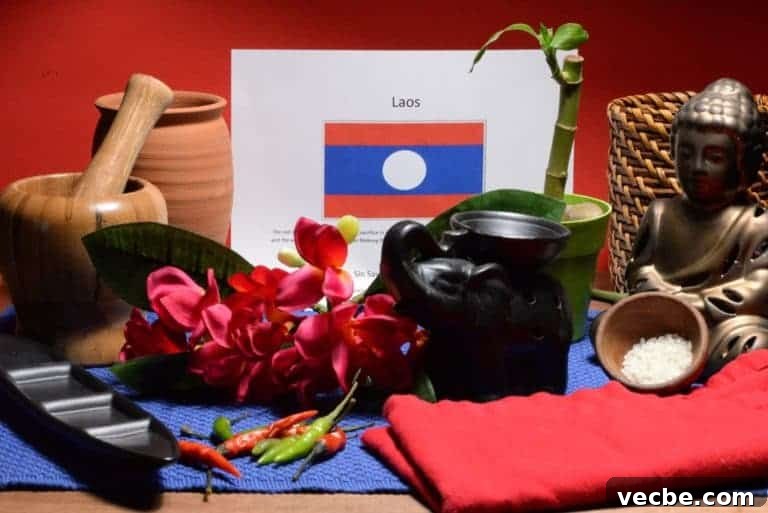
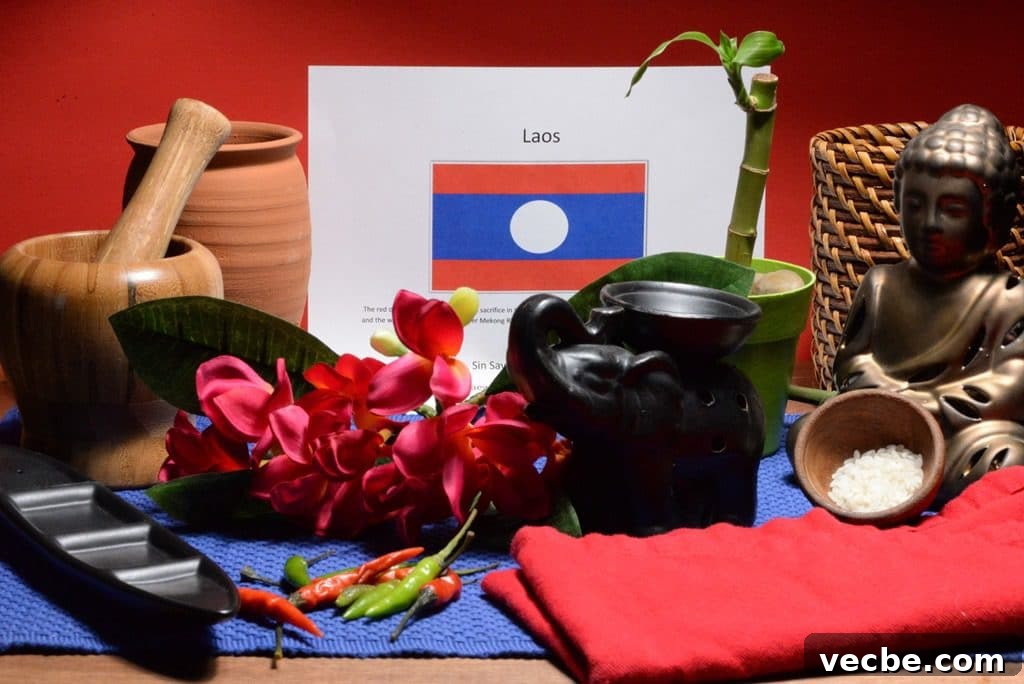
Laos traces its identity to the medieval Kingdom of Lan Xang — the “Kingdom of a Million Elephants.” That powerful state dominated much of mainland Southeast Asia from the 14th century until 1893, when it became a French protectorate. Today the country’s official title is the Lao People’s Democratic Republic, and locals often call it Muang Lao. The common English name “Laos” persists worldwide despite not matching the Lao alphabet. Archaeological finds suggest human presence in the region reaches back tens of thousands of years, including an ancient skull discovered in northern Laos dated to around 46,000 years ago.
Landlocked in the heart of the Indochinese peninsula, Laos shares borders with Myanmar and China to the northwest, Vietnam to the east, Cambodia to the south and Thailand to the west. The landscape is dominated by dense forests and rugged mountains, interspersed with plateaus and riverine plains. The tropical monsoon climate produces a rainy season from May to November and a drier period from December to April. The Mekong River — literally the “Mother of Water” — is central to life in Laos: villages and towns cluster along its banks and tributaries, and bridges linking Thailand and Laos are often called Thai-Lao Friendship Bridges.
Laos gained independence from France on July 19, 1949, after a brief Japanese occupation during World War II. It remains one of Southeast Asia’s poorest countries and among the world’s few communist-led states. Approximately 85 percent of Laotians work in agriculture, primarily subsistence rice farming, which still contributes about half of the country’s GDP. In recent years private enterprises in handicrafts, beer, coffee and tourism have expanded as the economy gradually embraces market-oriented reforms. Tourism is now one of the fastest-growing sectors, while controversial hydroelectric dam projects on the Mekong are poised to increase energy exports.
One of the most enduring and tragic legacies in Laos is the bombing campaign that took place during the Vietnam War era. Between 1964 and 1973 more than 580,000 bombing missions targeted Laotian territory in an effort to disrupt North Vietnamese supply routes. This period is often called the “Secret War” because the extent of operations inside Laos was little known to the public at the time. Alongside the heavy bombardment, some 270 million cluster munitions were dropped; estimates suggest up to 80 million failed to detonate. Unexploded ordnance (UXO) continues to contaminate more than one-third of the country’s land area. Since the conflict ended, over 20,000 people have been killed or maimed by UXO accidents, and children account for roughly 40 percent of these casualties. Clearing UXO is painstaking, dangerous work and, at the current pace, could take centuries to complete. International funding has increased in recent years, but the scale of the task remains immense across more than 87,000 square kilometers.
Laotians are often described as warm, modest and community-oriented. Buddhism influences daily life and a simple, mindful approach to living. Skilled artisans in wood carving, basket weaving and silk production sustain traditions that create some of Laos’ most beautiful handicrafts. Resourcefulness is also evident in how scrap metal and bomb shrapnel have been repurposed into practical objects and decorative art.
Music and dance are central to Lao culture. The khene — a reed and bamboo mouth organ — is the signature instrument of the country. Khene music accompanies Lam, the traditional folk vocal form shared across Laos and parts of Thailand. Lao dance emphasizes graceful hand movements and carefully choreographed gestures, each carrying cultural meaning.
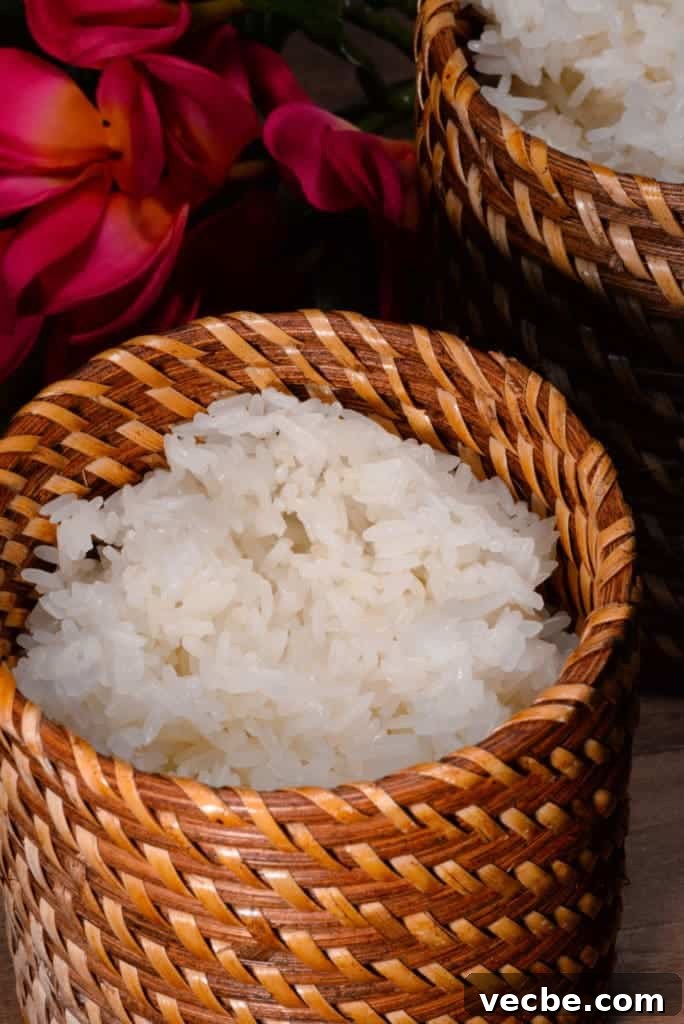
Three pillars define Lao cuisine: sticky rice, padaek and the balance of flavors. Sticky rice (khao niew) is central to almost every meal; this glutinous rice is steamed rather than boiled and is prized for its texture and sustaining energy. Monks commonly receive sticky rice as alms because a single daily meal can keep them satiated longer. Sticky rice is traditionally presented in a small woven basket with a lid called a Lao aep khao, and diners form small balls of rice to dip into sauces before eating.
Padaek is a fermented fish sauce unique to Laos and parts of neighboring countries. Fermentation can take from one to five years, producing a pungent, umami-rich condiment that often contains small pieces of fermented fish. It provides a savory depth that many Laotian dishes rely on.
The third element is the careful balance of tastes: spicy, salty, sweet, sour and umami. Ingredients are commonly crushed together with a mortar and pestle to create layered, fragrant combinations that excite the palate.
External influences have shaped Lao cooking as well. From China came noodles and soy sauce; noodles are typically eaten with chopsticks, while most other foods are eaten with a spoon in the right hand and a fork used to push food onto the spoon. Vietnam introduced pho-style noodle soups, and Thailand contributed spices and flavor profiles that overlap greatly with Lao dishes in border regions. French colonial influence brought staples such as potatoes, corn and—most loved by many—baguettes and pastries, which remain popular.
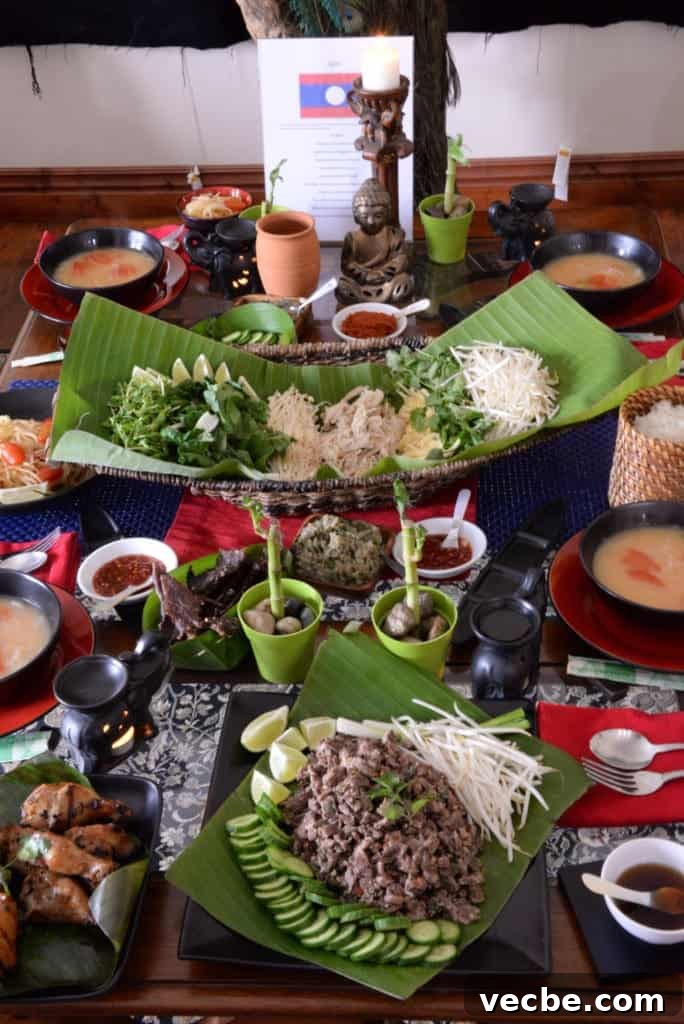
I recently hosted a Lao-themed meal for friends I met at a travel writers’ summit. We set a simple, evocative table: a terracotta jar to recall the Plain of Jars and traditional earthenware used for Lao rice whisky (laolao); elephant-shaped oil burners and plumeria-scented oil to represent the national animal and flower; small boats to symbolize river travel on the Mekong; and a low square table with guests seated on the floor, mirroring Lao dining customs. Meals in Laos are served family-style, all at once, with sticky rice available at each small table and the first bite often reserved for elders or honored guests.
The Menu
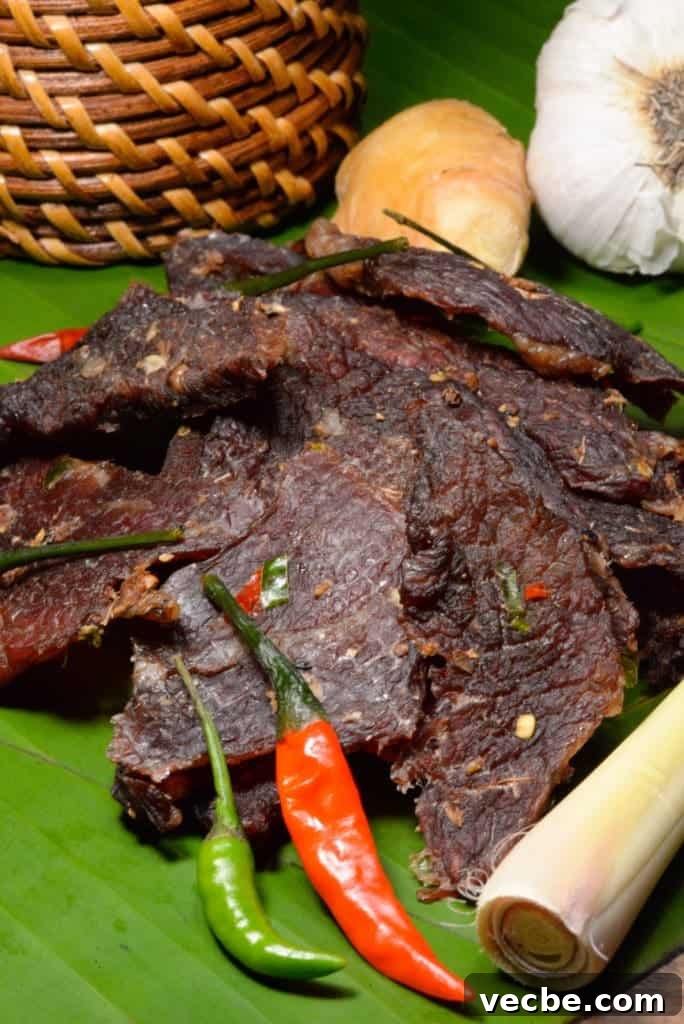
Sin Savanh (Lao Beef Jerky)
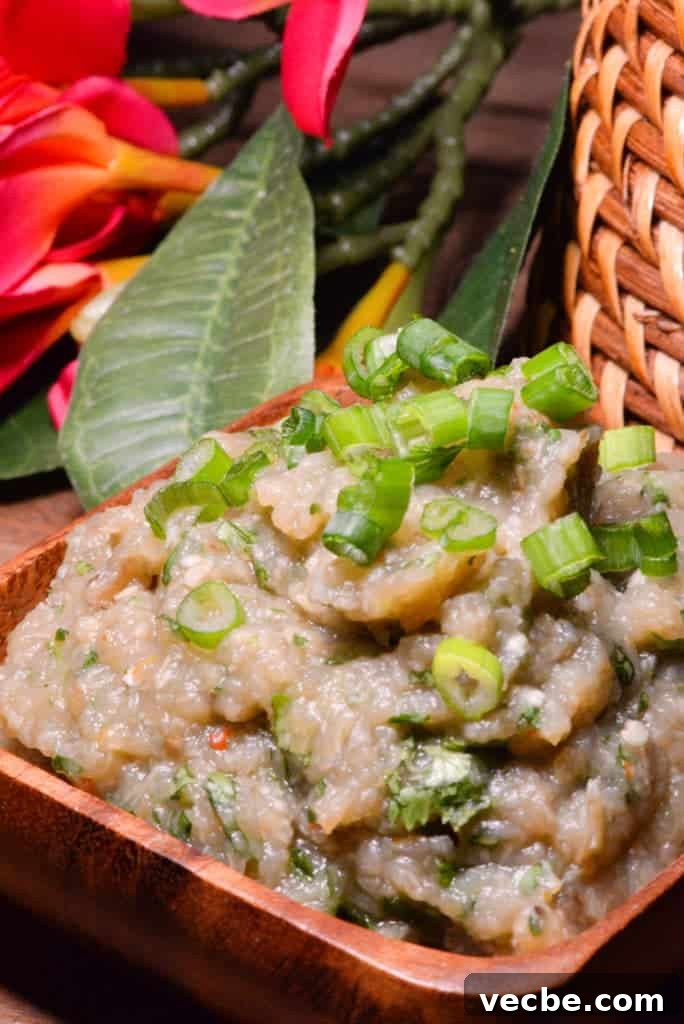
Jaew Mak Keus (Eggplant Dip)
Khao Niew (Sticky Rice)
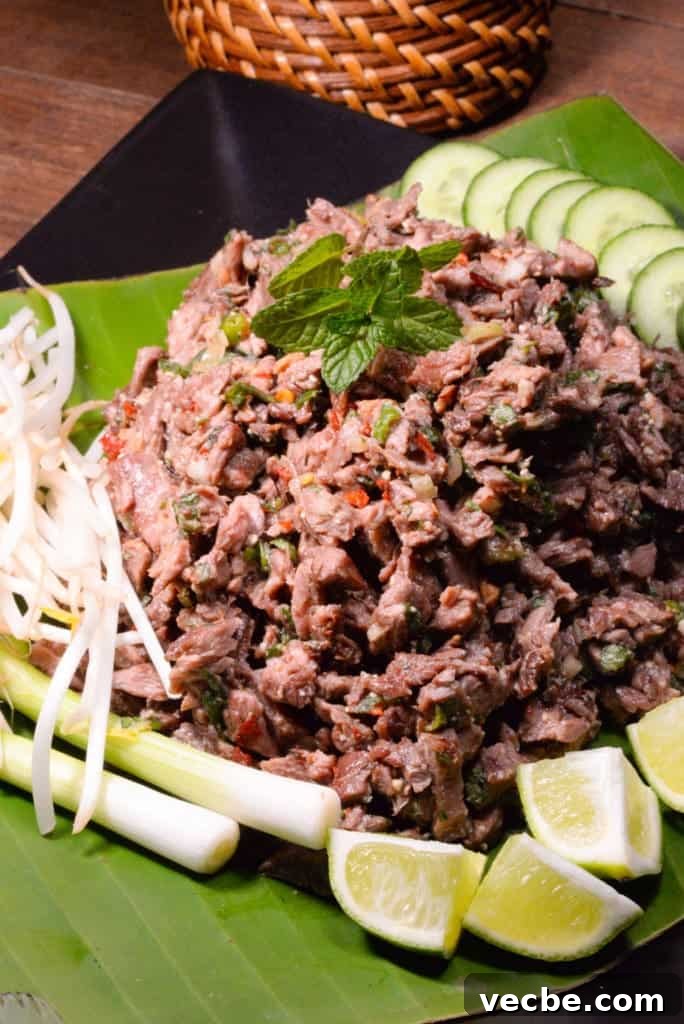
Laab (Minced Beef Salad)
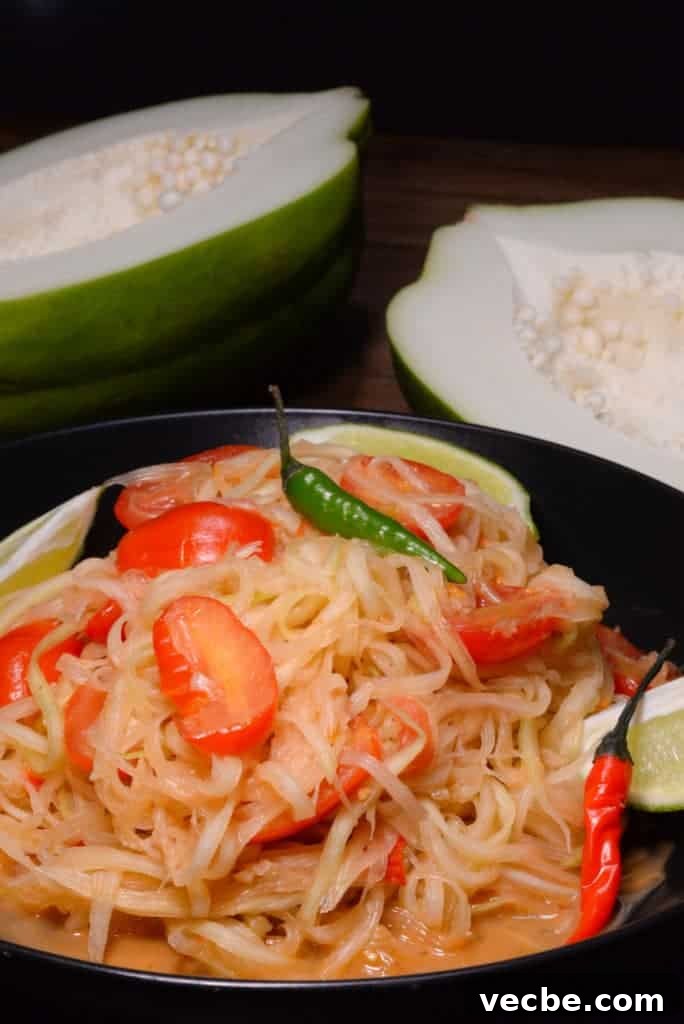
Tam Mak Houng (Spicy Green Papaya Salad)
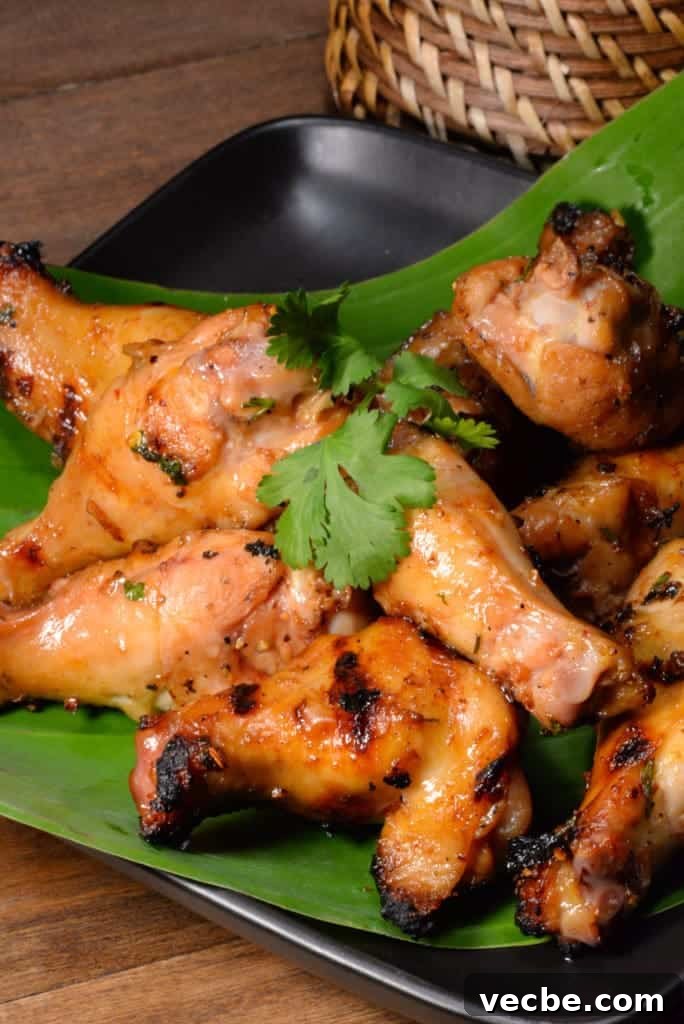
Ping Gai (Grilled Chicken)
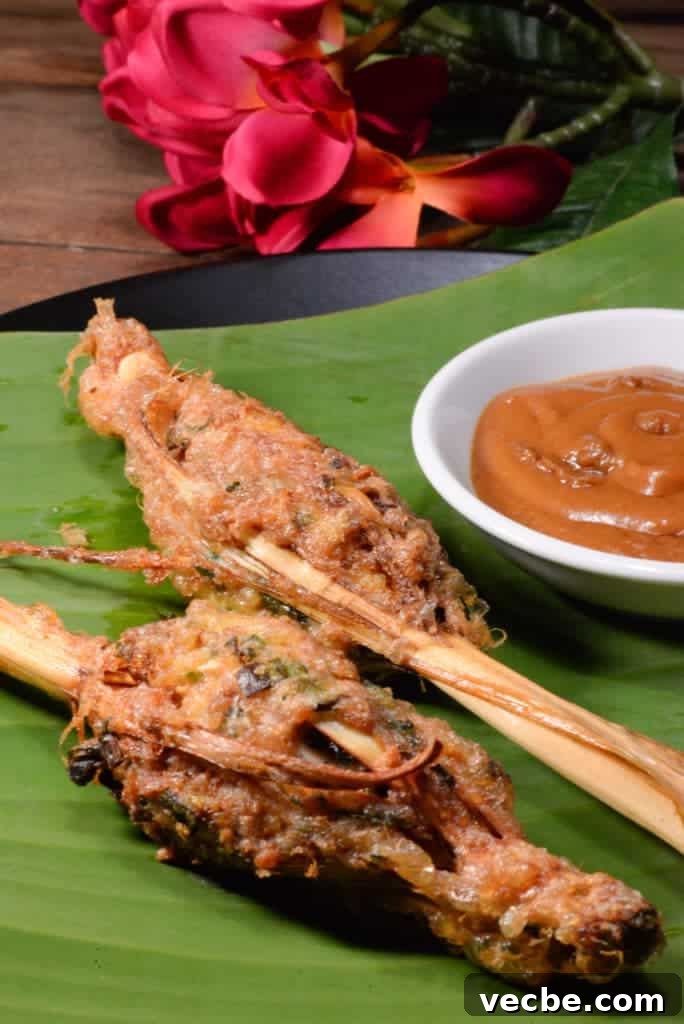
Oa Si Khai (Lemongrass Chicken)
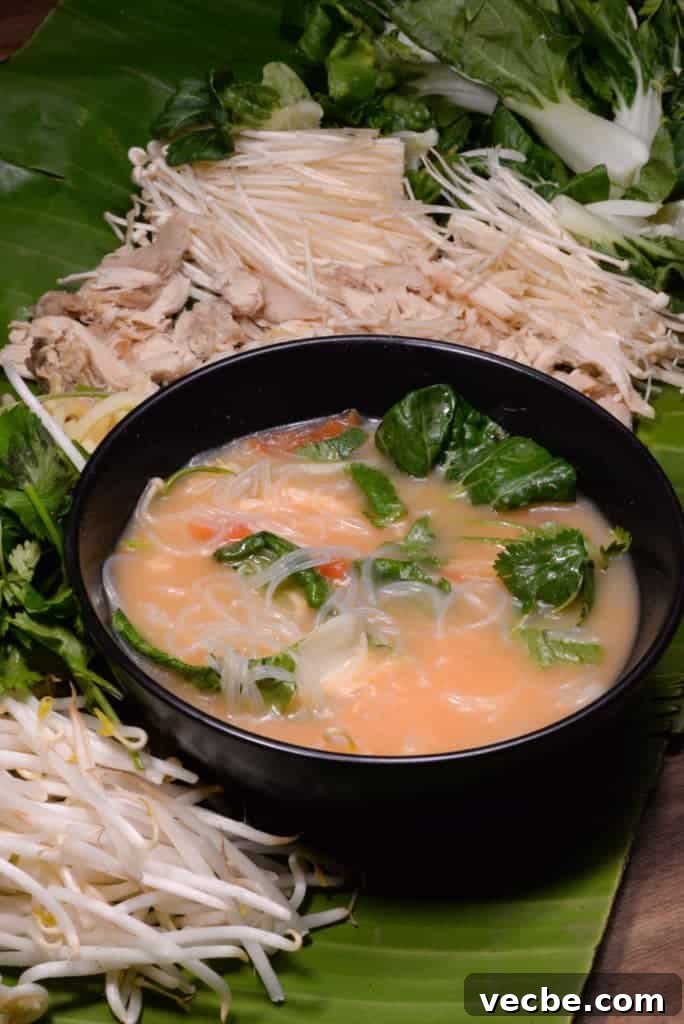
Khao Poon (Coconut Noodle Soup)
Dessert
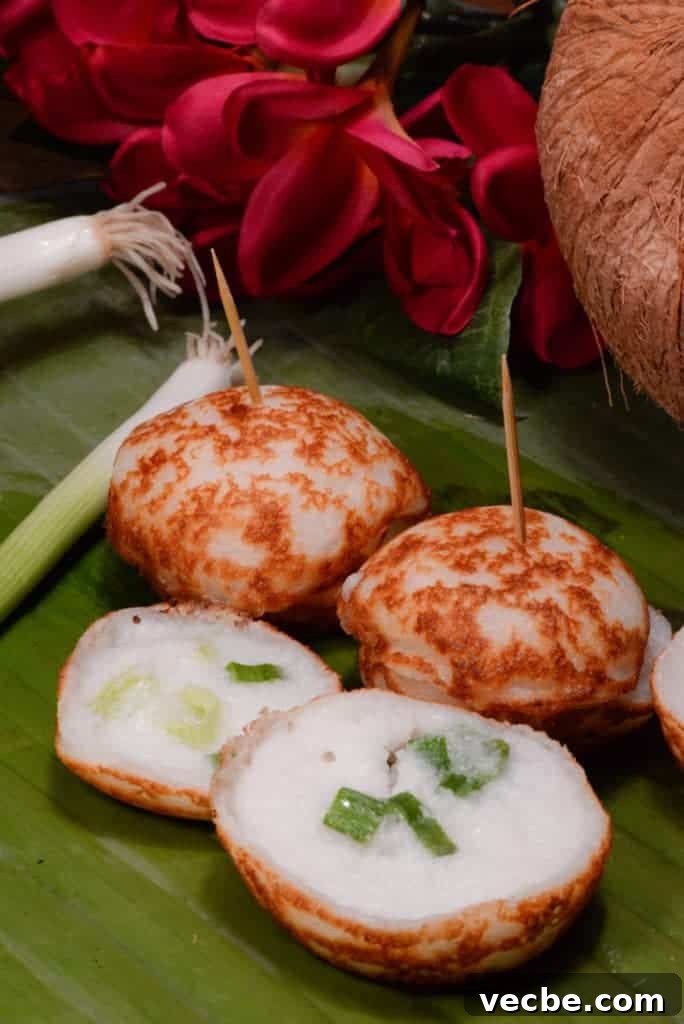
Kanom Krok (Coconut Cakes)
The meal began with a ball of sticky rice dipped into jeow mak keua, a smoky, slightly spicy eggplant dip. Beef jerky highlighted practical preservation methods still used in rural areas, seasoned with chili, lemongrass, garlic, ginger and fish sauce. Laab—a vibrant minced beef and herb salad—offered citrusy, savory and spicy notes and is widely considered a national favorite alongside sticky rice. The green papaya salad added fresh, crunchy contrast, while ping gai (grilled marinated chicken legs) provided smoky, tender bites.
Khao poon, a coconut-based noodle soup flavored with chicken, lemongrass and aromatic spices, was presented with vermicelli and a basket of fresh herbs and accompaniments so diners could customize each bowl. For a crisp, savory finish, lemongrass stalks filled with a ground chicken mixture were deep-fried and served with a peanut dipping sauce. Dessert was kanom krok—small coconut cakes crisp on the outside and creamy inside—that rounded out the meal.
We hosted friends who share a passion for travel and food, and the evening was relaxed and convivial. Guests left with a small bamboo plant and leftovers to enjoy—simple tokens of hospitality and good fortune. As we enjoyed the flavors of Laos, we also reflected on the country’s resilience and the ongoing need for support to clear UXOs so archaeological sites like the Plain of Jars can be fully studied and protected.
Have you heard about the “Secret War” in Laos before?
Until next time,
Warmest regards,
Darlene