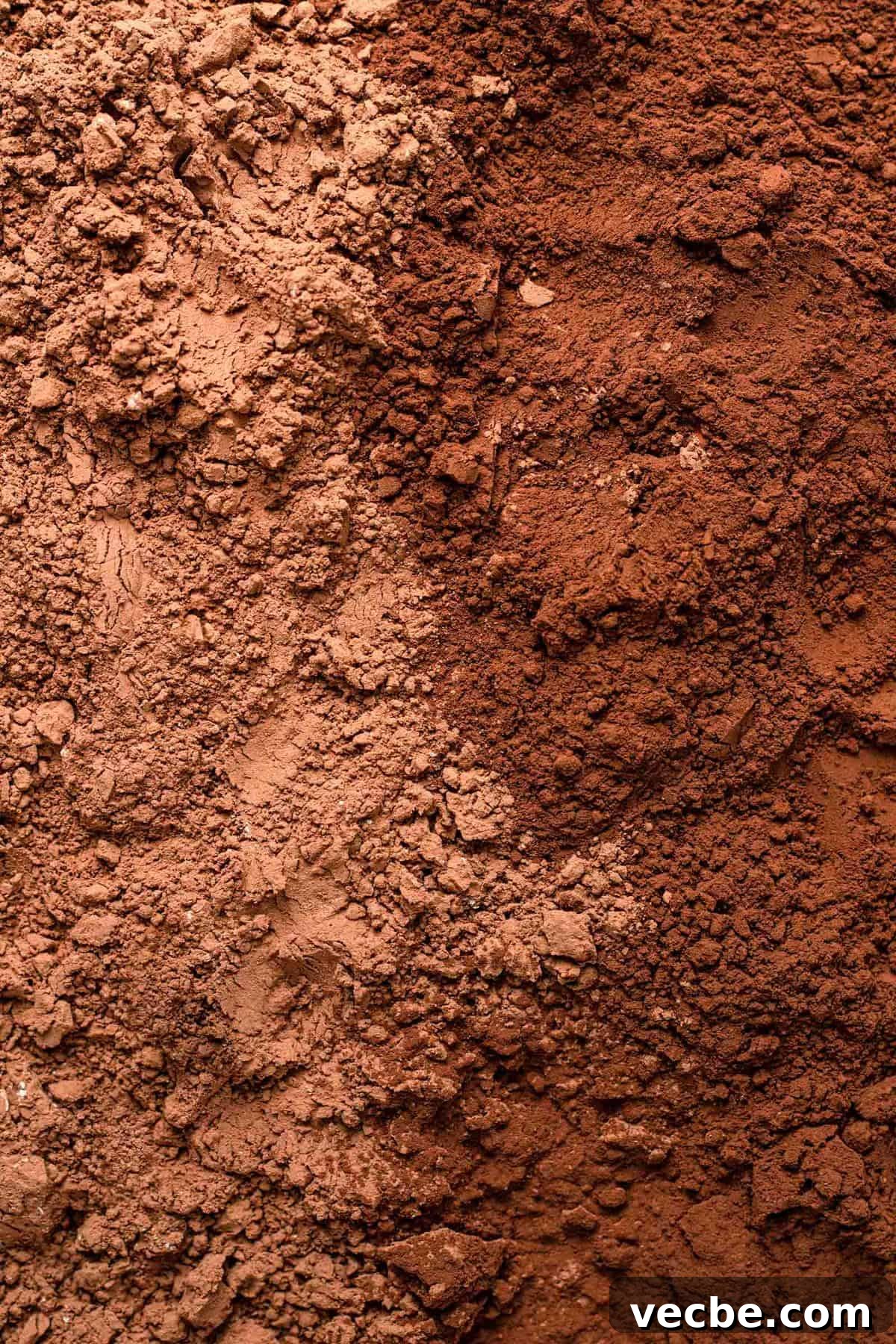
Chances are you’ve seen the terms “natural cocoa powder” and “Dutch-process cocoa powder” while reading recipes. If you’ve ever wondered what the difference is and which to use from your pantry, this guide will make it clear and simple.
Below I explain how each powder is made, how they behave in baking, and how to swap them in recipes without surprises.
Cacao vs. Cocoa
Quick terminology: products labeled “cacao” usually refer to raw or minimally processed beans and derivatives. “Cocoa” typically describes roasted beans and products made from them. In everyday baking you’ll most often use cocoa powder, derived from roasted beans.
What Is Cocoa Powder?
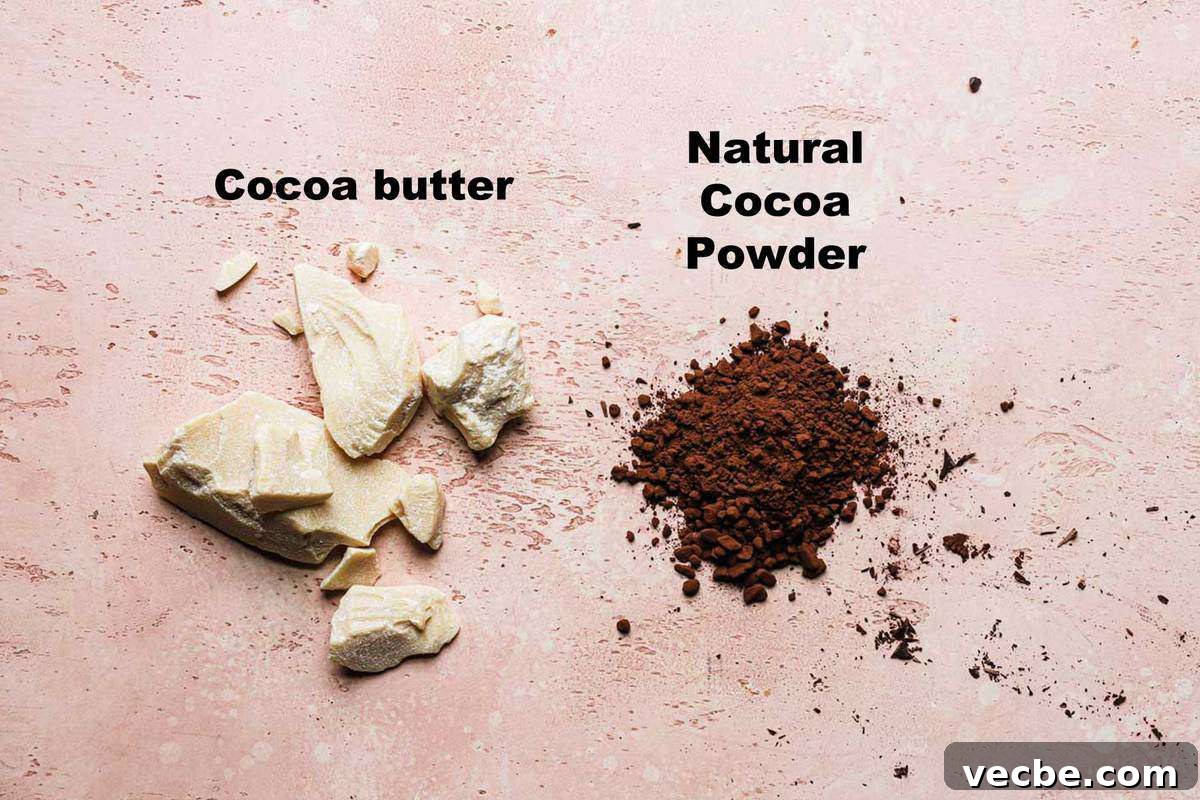
Cocoa powder begins with fermented and roasted cacao beans. After roasting, the beans are pressed to extract chocolate liquor (melted unsweetened chocolate). The remaining solids are processed into cocoa powder, while the fat becomes cocoa butter.
Manufacturers can use that unsweetened cocoa powder directly or modify it to create different varieties such as Dutch-process and black cocoa.
What Is Dutch-Process Cocoa Powder?
“Dutching” or alkalizing is a treatment that raises cocoa’s pH from its natural acidity (around pH 5) toward neutral (pH 7–8). This chemical treatment reduces bitter, astringent compounds and deepens the color, producing a powder with a smoother, less sharp chocolate flavor. Dutch-process powders range from light brown to very dark, nearly black; generally, darker powders taste milder and rounder.
Dutch-Process vs. Natural Cocoa in Baking
You can use either natural or Dutch-process cocoa in most baked goods, but their acidity and flavor differences affect texture, taste, and color:
- Texture: Natural cocoa is acidic and can react with baking soda to tenderize and help leavening. Acid slows gluten formation, so batters with natural cocoa often set a bit faster and yield a slightly more tender crumb. Dutch-processed cocoa is neutral, so baked goods made with it tend to be a touch denser and richer.
- Flavor: Dutch-process cocoa is smoother and less sharp. Natural cocoa’s acidity helps balance sweetness, which can make chocolate notes taste brighter in recipes that are otherwise sweet.
- Color: Alkalized cocoa is darker due to the treatment. If deep color is important to your finished product, Dutch-process or black cocoa will produce a richer appearance.
Note: “Premium” or high-fat cocoa powder indicates a higher cocoa butter content (often around 20–22%) and is separate from whether the powder is Dutch-processed or natural.
A practical comparison

- Color: The difference is immediate: natural cocoa yields lighter baked goods, while Dutch-process gives a darker finish.
- Bake time and spread: In tests, the item made with Dutch-process powder may need an extra minute or two and can spread slightly more because it lacks the acid that speeds setting.
- Balance of flavor: Natural cocoa’s acidity can brighten and balance sweetness, while Dutch-process offers a rounder, less acidic chocolate note.
Choose the powder that best fits the finished texture, color, and flavor you want in recipes like cakes, cookies, or brownies.
Substituting Between Powders
When swapping powders, check whether the recipe uses baking soda (alkaline) or baking powder (neutral). Natural cocoa is acidic and reacts with baking soda to create lift. Use these guidelines when exchanging powders:
- If a recipe uses only baking powder or no leavening at all, you can swap natural and Dutch-process cocoa without adjustments.
- If a recipe calls for baking soda and natural cocoa, it’s using the cocoa’s acidity to activate the soda. To use Dutch-process instead, replace the baking soda with baking powder (use roughly three times the amount of baking powder as baking soda) or add another acidic ingredient such as buttermilk, yogurt, or coffee to restore acidity.
- If a recipe calls for baking soda with Dutch-process cocoa but also includes another acidic component (like brown sugar, yogurt, or buttermilk), no change is needed. If there’s no other acid, add a small amount of baking soda—about 1/8 teaspoon for every 3 tablespoons of natural cocoa—to mimic the original leavening interaction.
If the Recipe Doesn’t Specify
If the recipe doesn’t say which cocoa to use, you can choose either. Consider how the powder will affect color, texture, and sweetness balance to match the result you want.
How to Identify Dutch-Processed Cocoa
Check the ingredients on the package: terms like “processed with alkali,” “alkalized,” or “Dutch-processed” indicate it has been alkalized.
Other Cocoa Varieties
Besides natural and Dutch-process, you may see:
- Black cocoa: An intensely alkalized cocoa that is very dark and used for deep color in cookies and icings.
- Triple-cocoa blends: Mixtures of natural, Dutch, and black cocoa to combine different flavor and color characteristics.
Where to Buy and How to Store
Most grocery stores and specialty shops carry both natural and Dutch-process powders. Store cocoa powder in an airtight container in a cool, dark pantry to preserve flavor and prevent clumping.
Related Chocolate Topics
Other helpful topics to explore include tempered chocolate, how to temper, the basics of dark chocolate, and how to make ganache. These subjects deepen your understanding of chocolate behavior in recipes.
Did You Find This Useful?
If you tried a recipe or used these tips, leaving feedback where you found the recipe helps other bakers. Questions, suggestions, and comments are always welcome.
And don’t forget to share your creations on social media and tag the recipe author if you’d like to show what you made.