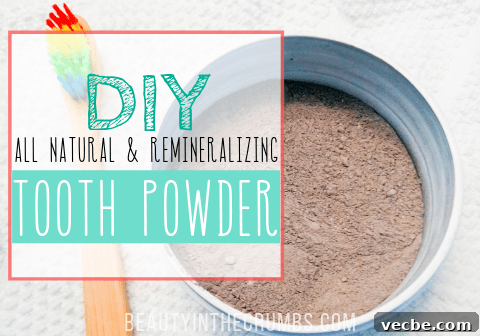
How to Make the Best Remineralizing Homemade Tooth Powder in Under 5 Minutes
This simple homemade remineralizing tooth powder recipe uses bentonite clay, activated charcoal, calcium carbonate, baking soda or diatomaceous earth, mineral salt, essential oil, and warming spices. It is an easy DIY tooth powder for a cleaner, fresher mouth and a natural alternative to conventional toothpaste.
If you have been looking for a natural toothpaste alternative, this homemade tooth powder is quick, budget-friendly, and easy to customize. It takes less than five minutes to mix, stores well, and uses simple ingredients that many natural-living households already keep on hand.
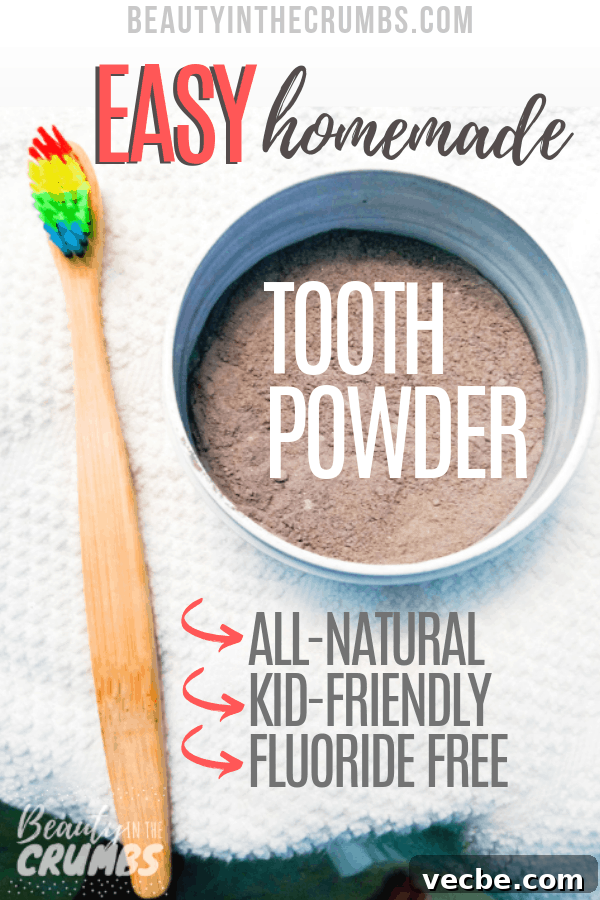
Technically, this is not a paste. It is a tooth powder. You can turn it into a paste by adding coconut oil, but keeping it dry makes the recipe simpler, less messy, and easier to store. Just wet your toothbrush, dip it lightly into the powder, and brush as usual.
The texture is different from regular toothpaste, especially if you are used to sweet, foamy, mint-flavored products. At first, brushing with a powder can feel a little unusual. After a few uses, many people love how smooth and clean their teeth feel afterward.
Why Use Clay in Homemade Tooth Powder?
The “dirt” in this recipe is actually bentonite clay, a fine natural clay often used in homemade skincare, masks, and body care recipes. In tooth powder, bentonite clay helps polish the teeth gently and gives the mixture its smooth, mineral-rich base.
This recipe also includes activated charcoal, which is commonly used in natural oral care for its deep black color and polishing effect. Because charcoal can be messy, start with the smaller amount listed in the recipe if you are new to using it. A little goes a long way.
Together, the clay, charcoal, minerals, salt, spices, and peppermint oil create a fresh-tasting DIY tooth powder that supports a clean mouth without artificial flavors, colors, or unnecessary fillers.
Ingredients You Need to Make Tooth Powder
The first time you buy the ingredients for homemade tooth powder, it may feel like a lot. The good news is that each ingredient lasts a long time because you only use small amounts. Many of these ingredients are also useful in other homemade cleaning, skincare, and wellness recipes.
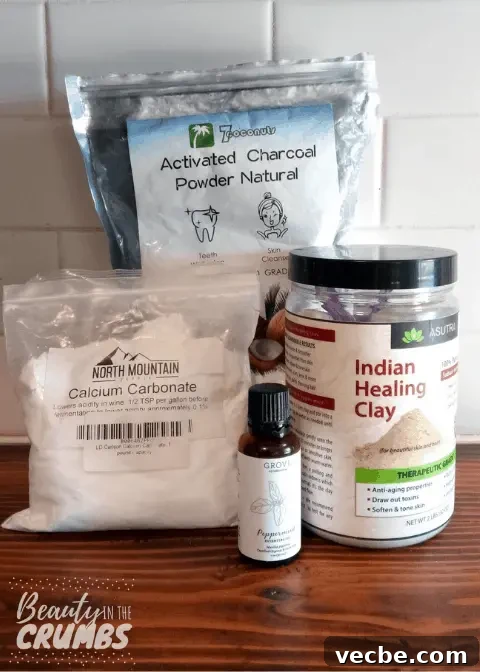
Bentonite Clay
Benefit: Bentonite clay creates the base of this homemade tooth powder and helps gently polish the teeth.
Other uses: It can be used in homemade face masks, body care recipes, and soothing skin preparations.
Activated Charcoal
Benefit: Activated charcoal adds extra polishing power and is often used in natural whitening tooth powder recipes.
Other uses: Many households keep activated charcoal in their natural wellness cabinet. Use it carefully and follow product directions.
Calcium Carbonate Powder
Benefit: Calcium carbonate is commonly used in remineralizing tooth powder recipes because it provides a gentle mineral component.
Other uses: It can also be used in some DIY household projects, including homemade chalk paint.
Baking Soda
Benefit: Baking soda gives this tooth powder mild abrasiveness, which helps clean the surface of the teeth.
Other uses: Baking soda is a versatile household staple for deodorizing, scrubbing, and homemade cleaning recipes.
Diatomaceous Earth (Optional)
Benefit: Diatomaceous earth can be used instead of extra baking soda if you prefer a less salty taste. Always choose food-grade diatomaceous earth for personal care recipes.
Other uses: It is often used around the home and garden for pest-control purposes.
Himalayan Salt
Benefit: Finely ground mineral salt adds trace minerals and enhances the fresh, clean feeling of the tooth powder.
Other uses: It can be used just like regular salt in everyday cooking.
Ground Cinnamon
Benefit: Cinnamon improves the flavor and adds a warm, pleasant taste to the tooth powder.
Other uses: It is perfect for baked goods, oatmeal, smoothies, and homemade treats.
Ground Cloves
Benefit: Cloves have a strong flavor and are traditionally associated with oral care. Use only a small amount because the taste can be intense.
Other uses: Ground cloves work well in seasonal baking, spice blends, and homemade cleaning powders.
Peppermint Essential Oil
Benefit: Peppermint essential oil gives the tooth powder a fresh, clean flavor and helps leave your breath feeling fresher.
Other uses: It can be used in many homemade body care and cleaning recipes when properly diluted.
Something to Note About Switching to Tooth Powder
Switching from regular toothpaste to tooth powder can feel strange at first. This recipe does not foam like conventional toothpaste, and it will not have the same candy-like sweetness. The powder may look dark because of the activated charcoal, and your sink may need a quick rinse after brushing.
That said, the routine is simple once you get used to it. Use a small amount, brush gently, rinse well, and store the powder in a dry container. If you have sensitive teeth, dental work, gum concerns, or questions about using abrasive ingredients, talk with your dentist before changing your oral care routine.
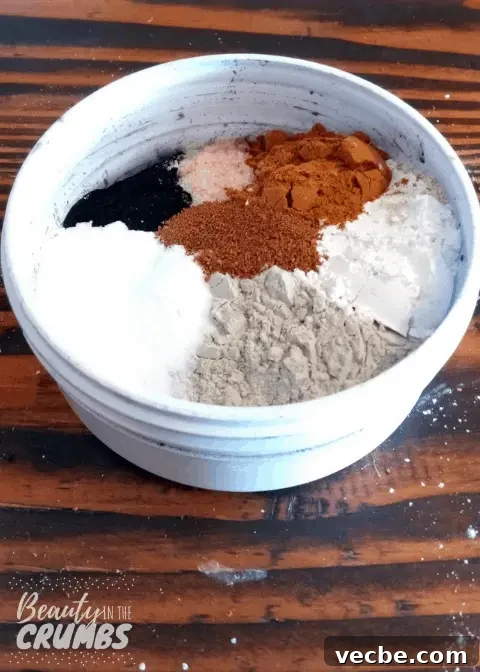
The Nitty Gritty Tooth Powder Recipe
This remineralizing homemade tooth powder recipe is simple, fast, and easy to adjust. Use less activated charcoal for a milder powder, or use the full amount if you prefer a stronger whitening-style blend.
Ingredients
- ¼ cup bentonite clay
- 1 teaspoon to 1 tablespoon activated charcoal, depending on your preference
- 1 teaspoon baking soda
- 1 teaspoon food-grade diatomaceous earth, or 1 additional teaspoon baking soda
- 2 teaspoons calcium carbonate powder
- 1 teaspoon ground cinnamon
- ½ teaspoon ground cloves
- 1 teaspoon finely ground Himalayan salt
- 10 to 15 drops peppermint essential oil
How to Make Tooth Powder
- Add all dry ingredients to a clean glass or plastic container. Place the finely ground salt on top.
- Add the peppermint essential oil directly onto the salt to help distribute it more evenly through the powder.
- Close the lid tightly and shake well until the mixture is fully combined.
- Store the tooth powder in a dry, airtight container and keep water out of the jar.
How to Use Your Remineralizing Tooth Powder
Wet your toothbrush, lightly dip the bristles into the powder, and brush gently as normal. You only need a small amount. Rinse your mouth well after brushing, then rinse the sink to remove any charcoal or clay residue.
A cleaning tip: Because this tooth powder contains clay and activated charcoal, it can leave residue in the sink. Rinse the basin after brushing and wipe it with a damp cloth. If buildup appears, sprinkle a little baking soda on a cloth and scrub gently in circular motions before rinsing clean.