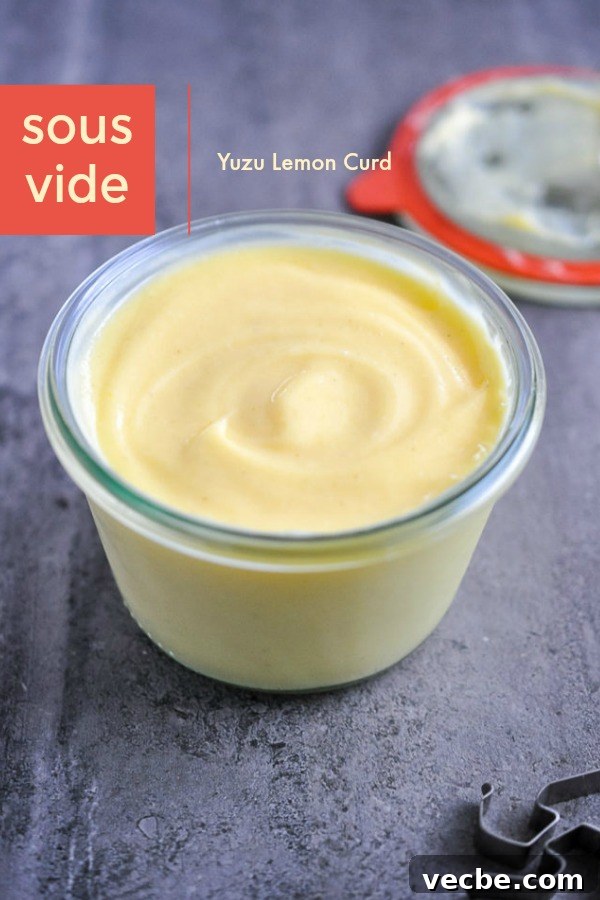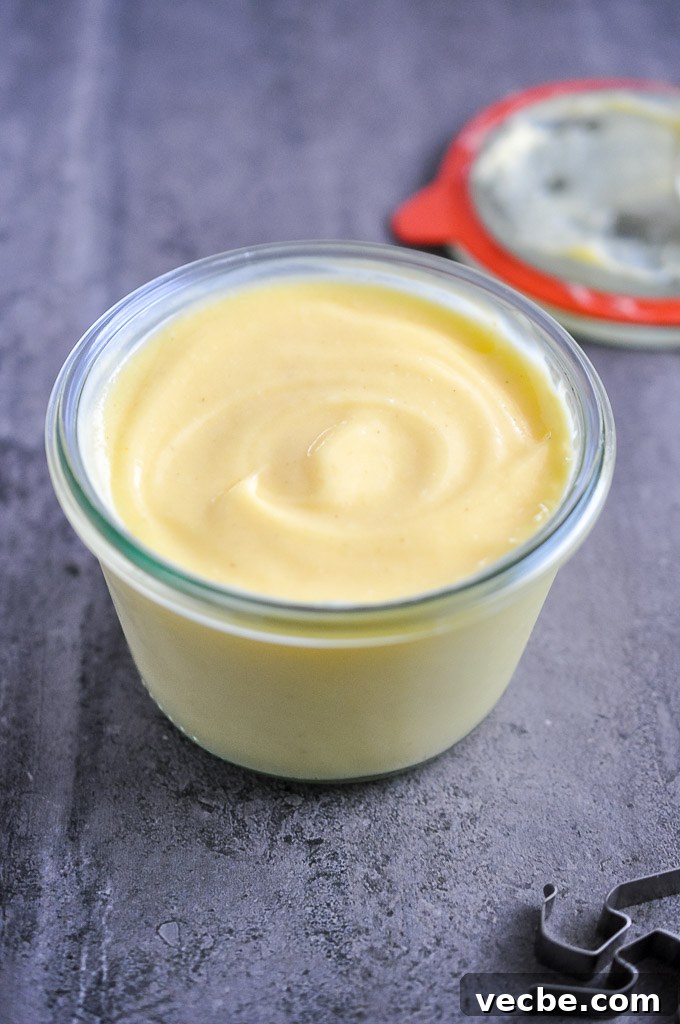
Blend, bag, sous vide, chill, and enjoy a foolproof Sous Vide Yuzu Lemon Curd that is silky, creamy, bright, and full of citrus flavour.
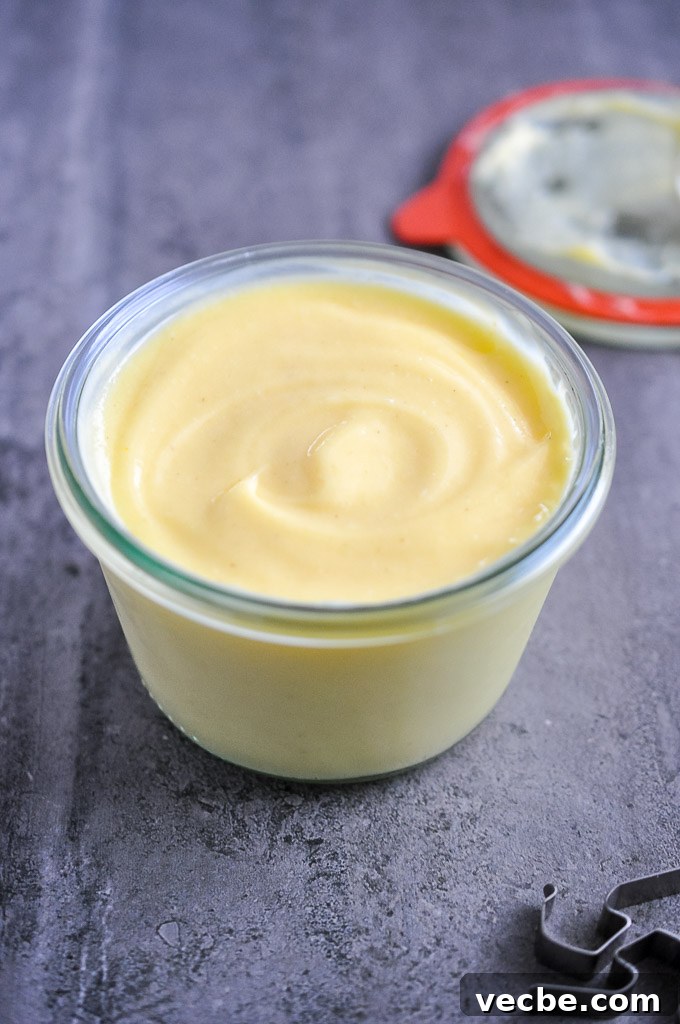
If you are wondering why anyone would make yuzu lemon curd sous vide instead of using the traditional stovetop method, the answer is simple: consistency. Classic lemon curd is delicious, but it can also be temperamental. One moment it looks smooth and glossy, and the next it can become grainy, clumpy, or overcooked if the heat is too high or your attention slips for even a short time.
Sous vide lemon curd removes much of that stress. The controlled water bath gently cooks the mixture at a steady temperature, helping the egg yolks thicken without scrambling. The result is a silky, smooth, flavour-packed citrus curd with very little hands-on work. Whether you cook it in a sous vide safe bag or in jars, this method is reliable, convenient, and ideal for anyone who wants a creamy curd without standing over the stove and stirring constantly.
This Sous Vide Yuzu Lemon Curd combines the familiar brightness of lemon with the aromatic, slightly floral citrus character of yuzu. If yuzu is not available, the recipe still works beautifully with all lemon juice. Either way, you will end up with a vibrant curd that is perfect for spreading, filling, layering, or spooning straight from the jar.
Bags or Jars
This yuzu lemon curd recipe can be prepared in either a sous vide safe bag or in glass jars. Bags are easy, practical, and especially helpful when the cooked curd needs to be transferred immediately to an ice bath. For non-meat recipes, reusable sous vide safe bags are a good option because they help reduce waste while still offering the convenience of bag cooking.
Jars are also an excellent choice, particularly for recipes that contain liquids. They are sturdy, easy to store, and allow the curd to go from cooking to chilling with minimal transferring. Cooking in jars can also help reduce disposable plastic use, which makes them a smart option when the recipe allows.
When cooking with glass, the main concerns are thermal shock and pressure buildup. To reduce the risk of breakage, avoid sudden temperature changes. Warm the jars and lids before placing them into the water bath, and allow them to cool gradually before exposing them to cold conditions. Do not move hot jars directly into an ice bath unless they have had a chance to cool slightly.
It is also important not to tighten jar lids too firmly. Screw the caps on only fingertip tight. This allows air inside the jar to escape during cooking while preventing water from entering. If the lids are tightened too much, pressure may build up and cause cracks or breakage. With a little care, jars are a dependable and tidy way to make sous vide citrus curd.
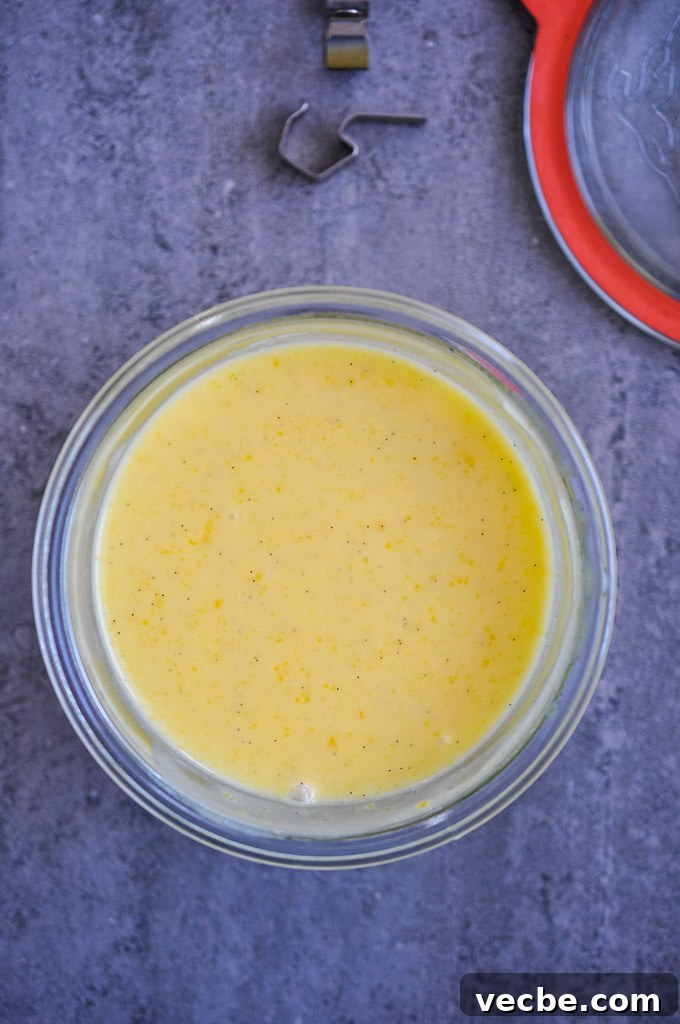
Zest: Keep It or Strain It
Whether you leave the lemon zest in the curd or strain it out is entirely a matter of preference. Zest adds strong citrus aroma and a little texture, which can be wonderful when the curd is used as a spread, a topping, or a filling where a rustic finish is welcome. The batch shown above includes the zest for a more pronounced lemon flavour.
For a completely smooth and refined texture, strain the cooked curd before chilling. This is especially useful if you plan to use the curd in delicate desserts where texture matters, such as tart shells, layered cakes, pastries, or macarons. Whenever you use citrus zest, try to choose untreated or organic fruit, and wash the lemons well before zesting.
You can also adjust the richness of the curd by changing the amount of butter. A slightly higher amount of butter creates a thicker, silkier curd with a texture closer to ganache or a smooth nut butter. That style is especially good for sandwich cookies, cake fillings, and macarons because it spreads well and sets with a luxurious finish.
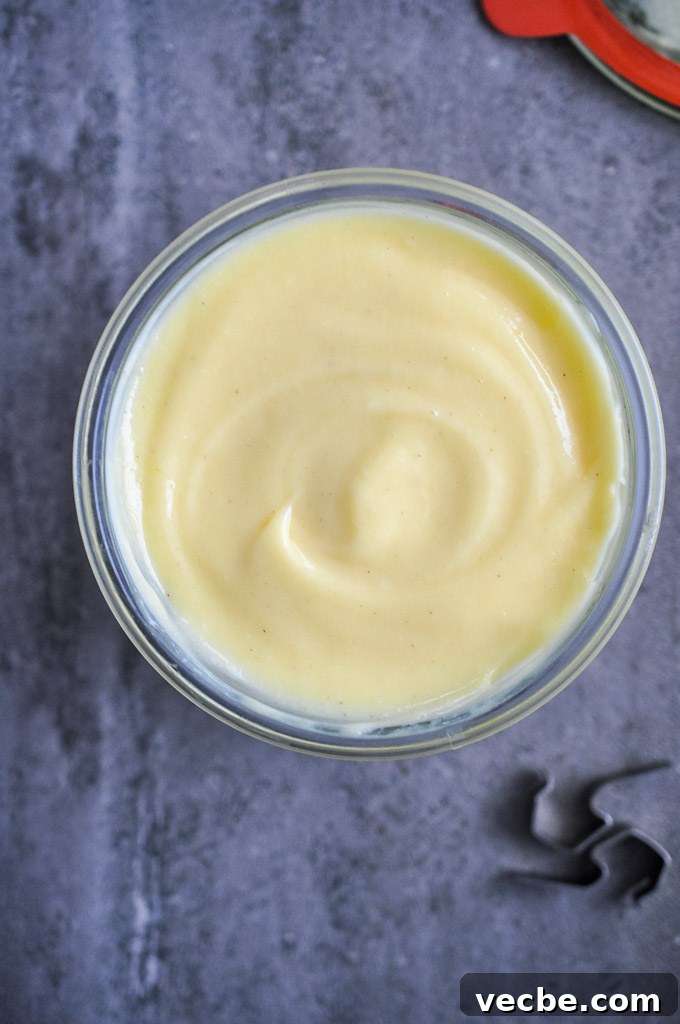
How To Enjoy Your Curd
Eating this Sous Vide Yuzu Lemon Curd straight from the jar is always an option, and it may be the most tempting one. It is also excellent spooned over yogurt, swirled into ice cream, layered with whipped cream, spread over toast, served with scones, or used as a bright filling for cakes and tarts. The balance of sweet, tart, buttery, and citrusy flavours makes it useful in both simple snacks and elegant desserts.
For a quick dessert, spoon the chilled curd into small glasses and top it with whipped cream and crushed cookies. For baking, use it as a tart filling or spread it between cake layers. It also works beautifully as a cookie sandwich filling when chilled until firm. However you serve it, this sous vide citrus curd brings a fresh, sunny flavour to the table.
Sweet Tip
If bubbles appear on the surface of the curd after blending or transferring it to a jar, they are easy to remove. Briefly pass a lit kitchen torch over the surface and the bubbles will disappear almost instantly. Use a light hand and keep the flame moving so you smooth the surface without warming the curd too much.
When cooking this recipe in a bag, blend the ingredients, seal the bag using the water displacement method, and cook it in the heated water bath. If using jars, divide the blended mixture evenly between the jars, add the lids fingertip tight, and cook until thickened. After cooking, chill the curd well before serving so it can fully set and develop its creamy texture.
Sous Vide Yuzu Lemon Curd
Method
Ingredients
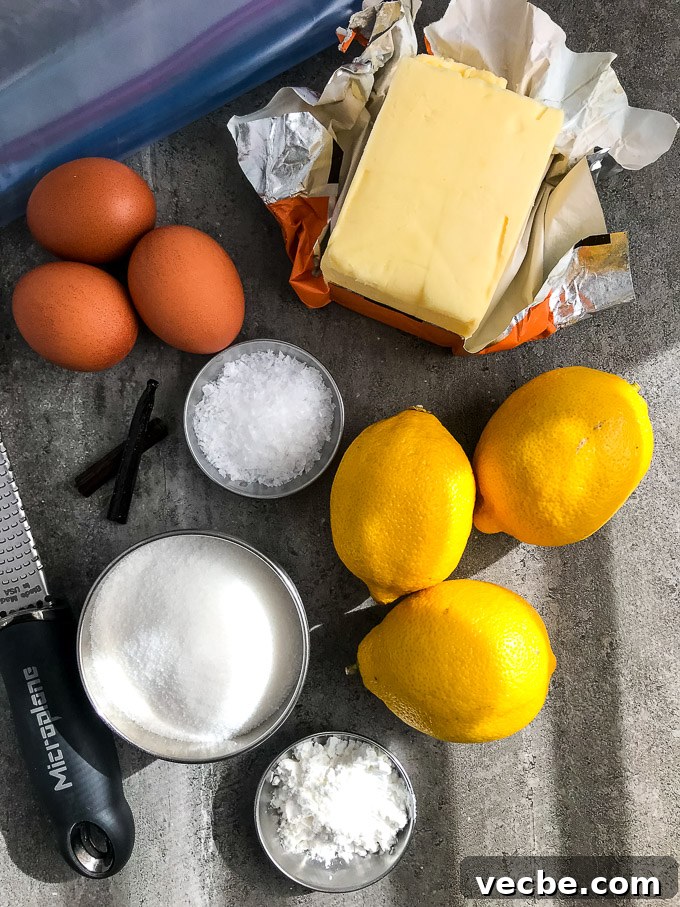
- 128 grams granulated sugar
- 79 grams lemon and yuzu juice or all lemon juice, if yuzu is not available
- 57 grams unsalted butter
- 54 grams egg yolks from 3 large eggs
- 9 grams cornstarch
- 0.6 grams sea salt
- 6 grams lemon zest from about 2 large lemons
Method
-
Fill a heavy-duty pot or heatproof container with warm tap water. Attach the immersion circulator and set the temperature to 73.9ºC/165ºF. Cover the container to help the water heat more quickly.
-
Combine all the ingredients except the zest with a hand whisk, immersion blender, or standard blender until smooth. Pour the mixture into a sous vide safe bag or jars, then add the zest. If using a bag, seal it partially and lower it into the heated water bath using the displacement method before sealing. If using jars, close the lids fingertip tight. Cook for 45 minutes, or up to 1 hour.
Alternative method:
You may also add all the ingredients, including the zest, directly to a sous vide safe bag. Seal and cook as directed. If using this method, gently agitate the bag a couple of times during cooking, then blend the curd after it has cooked for the smoothest texture.
-
Near the end of cooking, prepare an ice bath. Remove the curd from the water bath and shake or stir the contents. For a refined texture, strain out the zest. Place the cooked curd in the prepared ice bath and cool for about 20 minutes. Transfer to an airtight container and refrigerate for at least 6 hours before serving. For best quality, enjoy within 2 weeks.