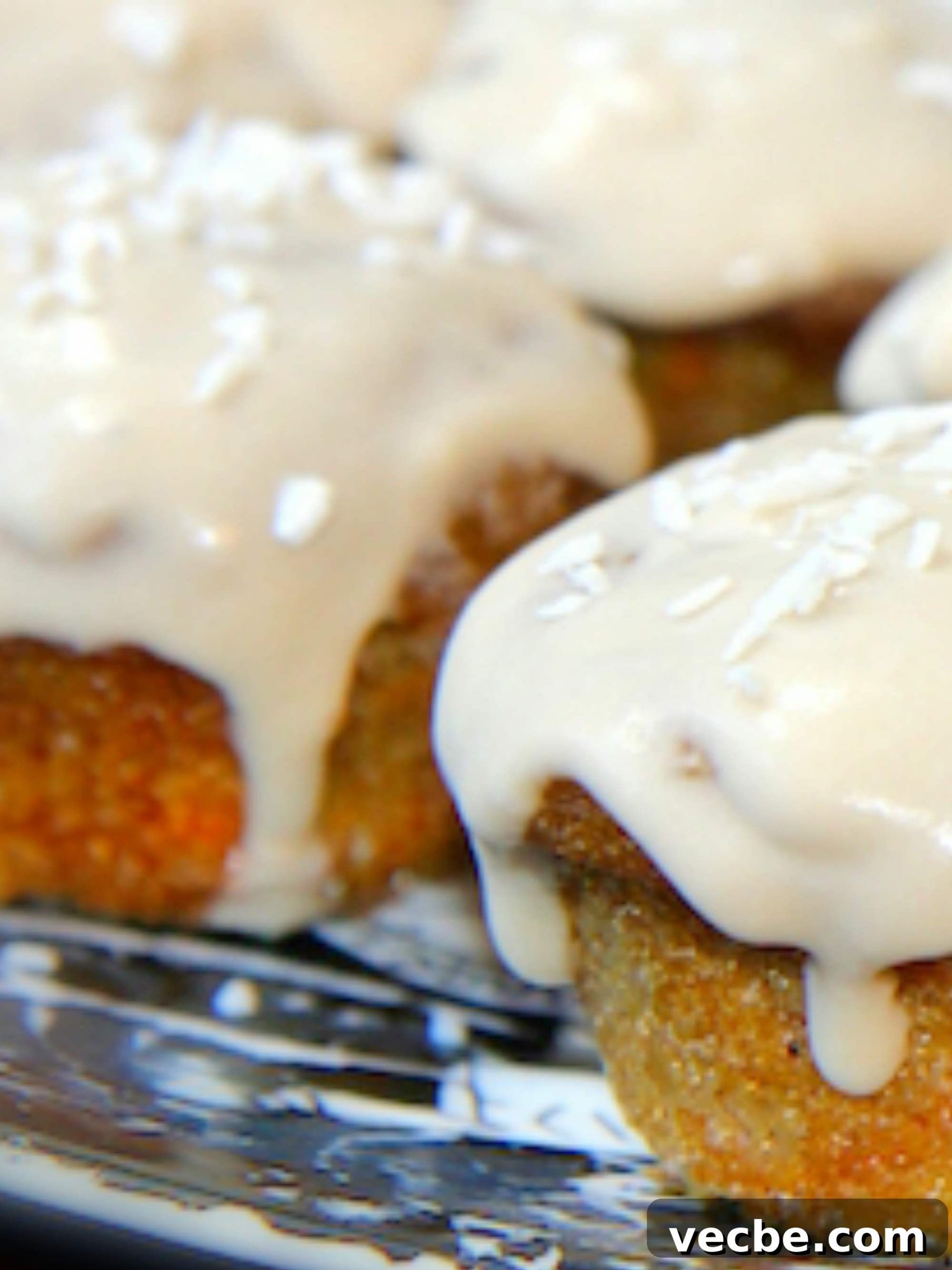
Looking for the perfect frosting that balances tang and sweetness for a healthier dessert? This vegan “cream cheese” frosting delivers creamy, tangy flavor without dairy and without complicated steps. It’s simple to make with pantry-friendly ingredients and finishes carrot cake (or cupcakes) beautifully.
I’ve seen vegan frostings made from soaked cashews, coconut cream, or store-bought vegan cream cheese, but those versions often require many steps or processed ingredients. This recipe keeps things straightforward: a few whole-food ingredients, minimal prep, and a silky, scoopable texture once chilled.
Why this vegan frosting works
This frosting mimics the tangy-sweet profile of traditional cream cheese icing by combining dairy-free milk, a natural sweetener, a touch of acid-like flavor from vanilla and salt, and a thickener plus coconut oil for body. It’s naturally gluten-free and contains no refined sugar when you use pure maple syrup. The method is quick and forgiving, so you can adjust sweetness and texture to taste.
Ingredients
- 1/2 cup almond milk
- 1/2 cup pure maple syrup
- 2 tsp pure vanilla extract
- 1/4 tsp salt
- 1 tbsp arrowroot powder
- 1/2 cup coconut oil
Servings and timings
Serves: 12 (enough to frost 12 cupcakes or 24 mini cupcakes)
Prep time: 6 mins | Cook time: 7 mins | Total time: 1 hr 13 mins (includes chilling)
Instructions
- In a small saucepan, combine the almond milk, maple syrup, vanilla, and salt. Warm the mixture over medium heat, stirring occasionally, for about 7 minutes. The goal is to heat through and marry the flavors — do not boil vigorously.
- In a small bowl, whisk the arrowroot powder with 1 tablespoon of water to create a smooth slurry. Pour the slurry into the warm milk mixture and stir. Bring the mixture briefly to a gentle boil while stirring until it thickens slightly.
- Remove the pan from the heat. While the mixture is still warm, add the coconut oil. Use an immersion blender (or transfer briefly to a countertop blender) to emulsify the oil into the warm base. Blending while warm helps create a smooth, creamy texture.
- Let the frosting cool to room temperature, then transfer it to a covered container and chill in the refrigerator for about an hour. The coconut oil will solidify as it cools, causing the frosting to thicken substantially.
- After chilling, blend the frosting again with the immersion blender to achieve a velvety, spreadable consistency. If it feels too firm, let it come to room temperature for a few minutes and re-blend. Once the texture is right, frost your cake or cupcakes.
Tips and variations
- Almond milk: Use unsweetened almond milk for best flavor control. If you prefer a richer base, use homemade almond milk or another unsweetened plant milk.
- Sweetness: Adjust maple syrup up or down to taste. For a less sweet frosting, reduce the syrup slightly and taste after chilling.
- Thickness: Arrowroot powder is the thickener here; if you prefer a firmer frosting, increase arrowroot by 1/2 teaspoon, testing texture as you go. Over-thickening can lead to a gummy feel, so add small increments.
- Coconut oil: Refined coconut oil has a neutral flavor, while unrefined (virgin) coconut oil adds a subtle coconut note. Choose based on the flavor profile you want.
- Serving idea: This frosting is ideal on carrot cake, spice cakes, or simple cupcakes. It also works as a filling for sandwich cookies if chilled until firm.
- Storage: Keep refrigerated in a sealed container for up to 5–7 days. Re-blend before using if it has separated or become too firm. It can be frozen for longer storage; thaw in the refrigerator overnight and re-blend before using.
Nutrition (per serving)
Calories: 132 kcal | Carbohydrates: 10 g | Protein: 0.05 g | Fat: 10 g | Saturated Fat: 9 g | Sugar: 8 g | Sodium: 57 mg | Calcium: 30 mg
This vegan “cream cheese” frosting is an easy, crowd-pleasing way to top desserts when you want a dairy-free option with that familiar tangy-sweet balance. Give it a try on cupcakes or a layered cake — and enjoy licking the spoon!