If your brisket finished much sooner than you planned, don’t panic — this is a common issue. Brisket cooking times vary widely depending on grade, thickness, fat content, elevation, humidity and the actual temperature your cooker is producing. A brisket that “cooks too fast” usually means the internal temperature rose before the connective tissue had time to break down and become tender.
This article explains the most typical reasons a brisket can cook faster than expected and offers practical steps to prevent or fix it on your next cook.
See the full Brisket Troubleshooting Guide
PRO TIP: For a consistently moist brisket, follow every step in my no-fail brisket recipe.
What Causes Brisket to Cook Too Fast?
Brisket doesn’t cook to a fixed timeline — it reacts to how heat moves through the meat, how much moisture evaporates, and the distribution of fat and connective tissue. When heat penetrates too quickly, the internal temperature can reach a finishing number before the collagen has converted into gelatin, leaving the meat less tender than expected.
Common contributors include cooker temperature, meat size and grade, wrapping timing, altitude, airflow and ambient humidity.
Your Cooking Temperature Was Higher Than You Realized
Many built-in gauges and controller readings are optimistic. An inexpensive smoker or a miscalibrated controller can run 25–50°F hotter than the display. Always verify your cooker’s actual ambient temperature with a reliable probe clipped to the grate — this will help you match the cook to the brisket’s needs.
The Brisket Was Small, Thin or Uneven
Thin flats or uneven pieces heat through much faster than thick, heavily marbled points. The lean flat in particular will reach temperature sooner. For hot-and-fast methods I sometimes separate the point and flat so each piece can be managed at the ideal pace.
You Used a Lean, Low-Grade Brisket
Choice or Select briskets have less internal fat and marbling than Prime or Wagyu. Without that insulating fat, heat moves through the meat faster, shortening cook time but often limiting tenderness if the collagen hasn’t had time to dissolve.
You Wrapped Too Early
Wrapping (Texas crutch) traps heat and steam, which speeds up the cook. If you wrap before a well-formed bark is established, the brisket can move through the stall quickly and finish earlier than anticipated.
You’re Cooking at High Elevation
At higher altitudes water boils at a lower temperature, which alters evaporation and evaporative cooling. That change can reduce the duration of the stall and make the brisket’s internal temp climb faster than at sea level.
Your Smoker Has Strong Airflow
Offsets, pellet grills and other cookers with strong or unregulated airflow move heat across the surface more aggressively. Greater airflow increases heat transfer and can shorten the cook.
You’re Cooking in a Dry Climate
Low humidity environments reduce evaporative cooling on the brisket’s surface, so the meat spends less time in the stall and heats up faster overall.
How to Prevent a Brisket from Cooking Too Fast
With a few adjustments to temp control, humidity and wrapping strategy you can slow a brisket’s pace and create a more predictable timeline.
Verify Your Cooker’s True Temperature
Use an ambient probe clipped to the grate to confirm the real pit temperature. Once you know the difference between the display and the actual temp, you can dial the cooker in for consistent results.
Delay Wrapping to Slow Down the Cook
Wait until the bark is well developed before you wrap. Leaving the brisket unwrapped longer increases evaporation and extends the stall, which helps collagen break down rather than just pushing the internal temp up quickly.
Use Moisture to Slow Heat Absorption
Adding a water pan, spritzing periodically, or maintaining a humid cooking environment increases evaporative cooling and prolongs the stall, giving connective tissue more time to soften.
Cook Thicker Flats at Lower Temperatures
If you’ve got a thin or lean brisket, consider cooking at 225–250°F instead of a hot-and-fast approach. Lower, steadier heat gives collagen more time to convert and reduces the risk of finishing before the meat is tender.
Monitor Brisket Temperature by Feel, Not Schedule
Rather than relying strictly on an ETA, use tenderness and probe feel to decide doneness. A brisket is ready when the connective tissue gives and the probe slides in with little resistance, not when the clock says it should be done.
How to Fix a Brisket That Cooked Too Fast
If your brisket reaches its target temperature early, you can still salvage tenderness with a few steps:
- Wrap tightly in foil and add a splash of beef broth, stock or tallow to create a moist environment.
- Let it rest slowly so the internal juices redistribute and the fibers relax.
- Hold at serving temperature — keep the wrapped brisket in a cooler or holding unit around 140°F for a few hours to continue breaking down collagen without overcooking.
- Don’t slice too early. Leaving the brisket whole preserves moisture and helps maintain tenderness until service.
A gentle, extended rest or warm hold often transforms a brisket that finished early into a tender, juicy result.
When This Problem Usually Happens
This tends to occur with:
- leaner Choice or Select briskets
- thin flats or uneven cuts
- premature wrapping
- hot-running smokers or miscalibrated controllers
- dry, low-humidity or high-elevation conditions
It’s also common on pellet grills and offset smokers with steady, high airflow.
Brisket Guides
This BBQ tip is part of the Ultimate Brisket Guide, which covers anatomy, trimming, rubs and cooking techniques.
Explore related topics like why brisket can be tough or dry, the brisket stall, when to wrap, and hot-and-fast methods.
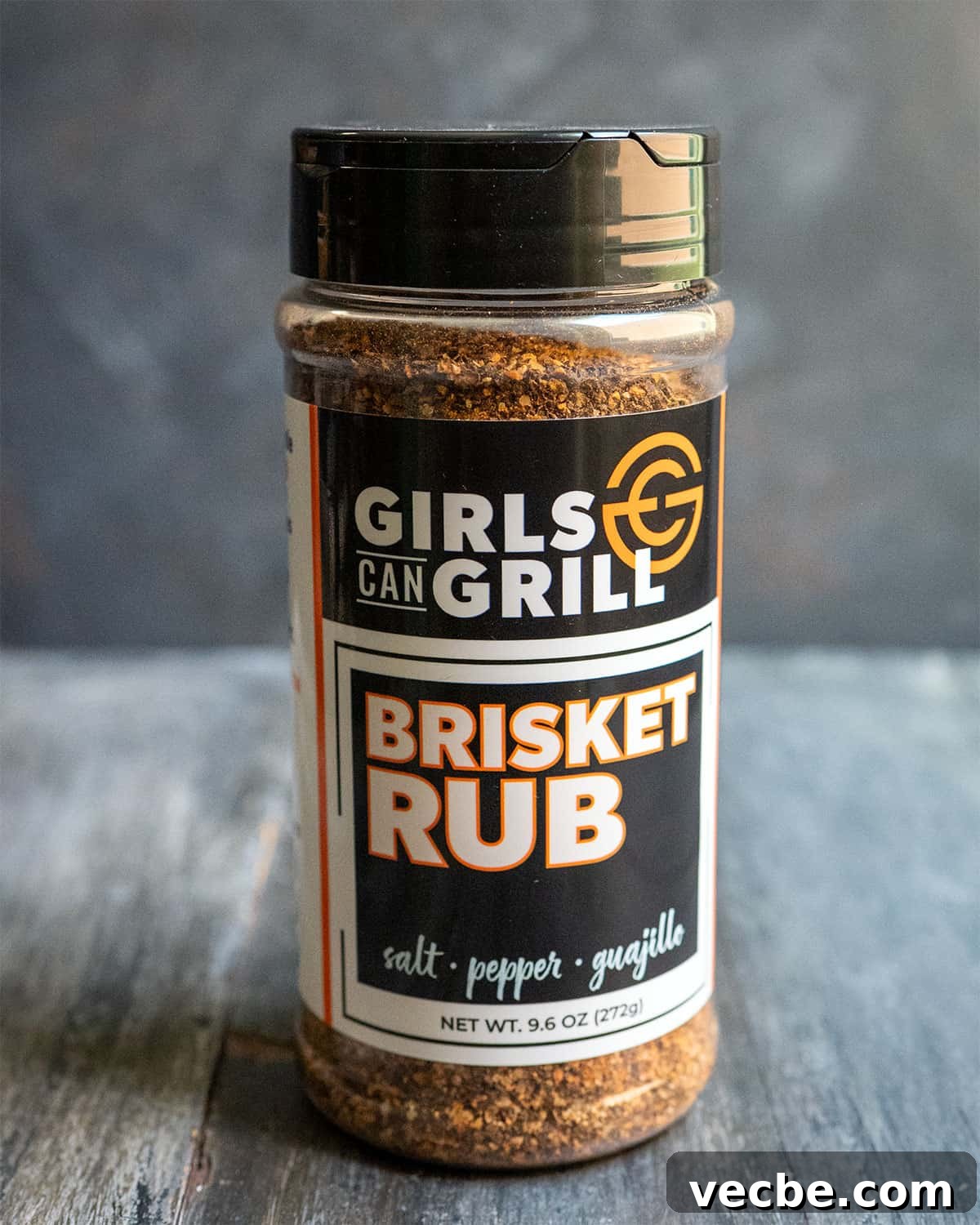
My Go-To Brisket Rub for Building Flavor and Bark
I use Girls Can Grill Brisket Rub on most of my cooks. The blend of salt, black pepper, garlic and savory spices highlights the beef while promoting an even, flavorful bark.