
Your sourdough starter not performing like it used to? Are your loaves rising less, the crumb tighter, or your starter taking much longer to peak after a feeding? If that sounds familiar, your starter may be weakening.
Starter weakness is common for home bakers, especially those who don’t bake frequently. Below I explain the typical causes, how to identify the problem, and practical steps to restore vitality so your starter can leaven bread reliably again.
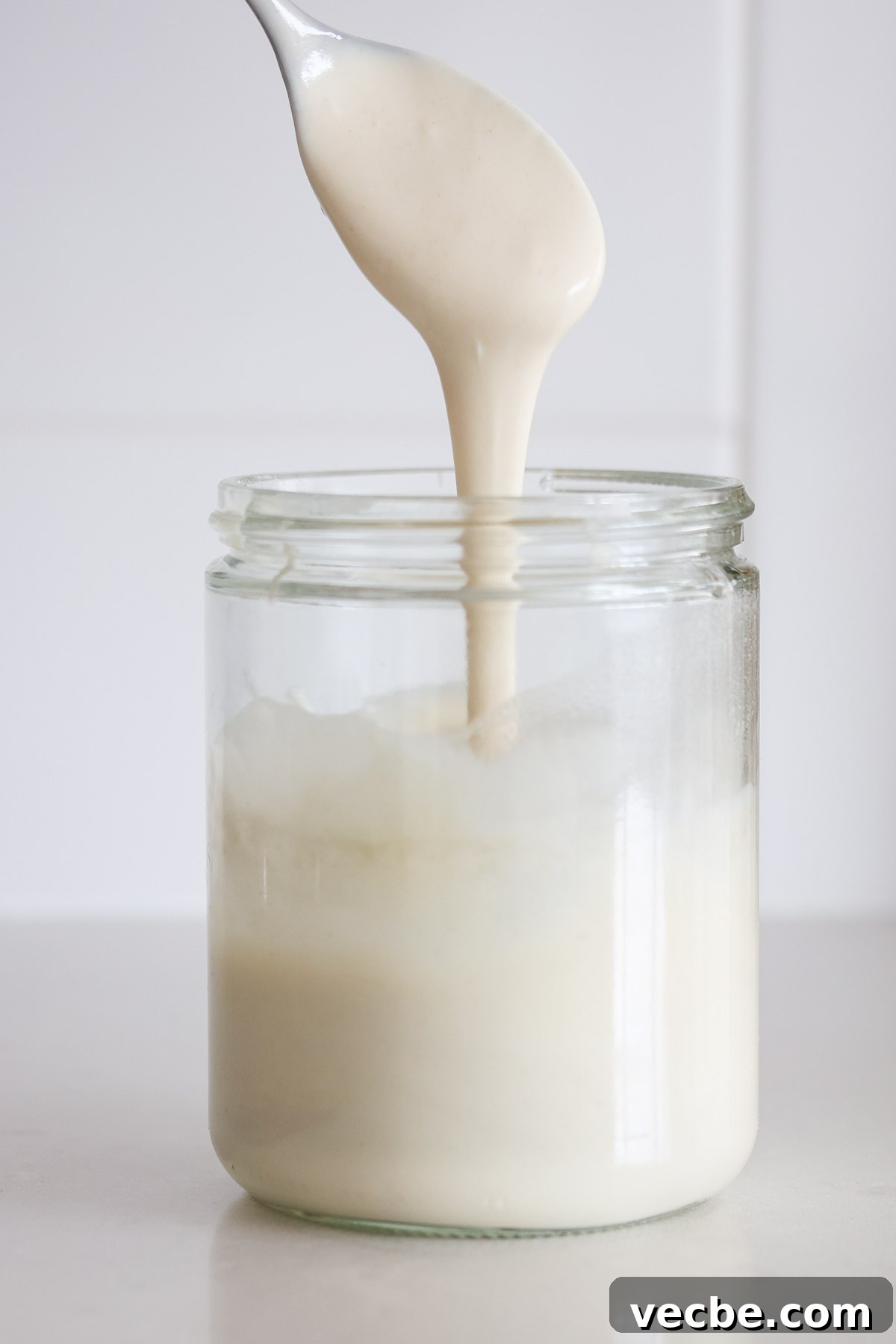
If you haven’t started a sourdough starter yet, there are many step-by-step guides and photo tutorials available that walk through the process of making one from scratch.
Two Main Reasons Your Starter Weakens
There are two common causes for a weakened starter, and both are straightforward to fix.
The most frequent problem is excessive acidity. A starter hosts both wild yeast and lactic acid bacteria; when the bacteria dominate, acid levels rise. Increased acidity suppresses yeast activity, leading to slow fermentation, poor rise, and denser loaves.
The other common issue is overfeeding. Feeding too often — or feeding before the starter has fully peaked — repeatedly dilutes the yeast and bacteria population. Over time this constant dilution reduces the starter’s fermentation power and leaves it unable to leaven dough effectively.
Why a Starter Gets Too Acidic
A starter becomes acidic either because it’s not fed at the right times or because bacteria outgrow the yeast. Typical causes include:
Feeding too infrequently. If you wait until the starter has collapsed and remained deflated for a long period, it becomes starved and acidic. Each subsequent feeding carries that excess acidity forward.
Many home bakers feed infrequently or keep their starter in the fridge for long stretches. That practice can create persistent acidity and weaken the culture over time.
Warm storage conditions. Higher temperatures accelerate fermentation and can speed acid buildup. In warm kitchens or during summer months, acidity can rise much faster than expected.
How to Tell If Your Starter Is Acidic
Signs of an overly acidic starter include:
- Longer rising time. A healthy starter usually peaks within a few hours after a standard feeding at moderate room temperature. An acidic starter takes much longer to reach peak activity.
- Vinegary smell. A fresh, active starter smells mildly yeasty. An acidic starter smells sharp or vinegar-like.
- Short, unstable peak. Instead of holding its peak, an acidic starter often collapses almost immediately after rising.
- Thin texture. At 100% hydration a healthy starter is thick, elastic, and bubbly. An acidic starter is more watery and shows only small bubbles.
- Poor dough performance. Excess acidity weakens gluten and reduces oven spring, often resulting in flat, dense loaves and over-proofing.

How to Fix an Acidic Starter
Two practical methods restore an acidic starter:
Feed at a much higher ratio. Increase the amount of fresh flour and water relative to the starter to dilute accumulated acids. For example, rather than a 1:1:1 feeding, try keeping only a small portion of starter and feeding with a much larger amount of fresh flour and water (for example, ratios like 1:5:5 or 1:10:10). This often reduces acidity within a few feedings.
Example: Instead of keeping 50 g starter and adding 50 g flour + 50 g water, keep 10 g starter and add 100 g flour + 100 g water to create a much larger dilution.
Feed at peak. Always feed when the starter is at its peak activity, not after it has collapsed. Feeding at peak prevents acid from accumulating and helps maintain a robust yeast population.
Also consider adjusting storage temperature. If your kitchen is warm, feed more often but with appropriate ratios, or move the starter to a cooler spot or the refrigerator to slow fermentation.
Why Overfeeding Weakens a Starter
Feeding before the starter fully peaks repeatedly shortens its fermentation cycle. Yeast and bacteria need time to consume sugars and reproduce; frequent early feedings prevent that growth and gradually reduce the culture’s strength.
Early feeding can also disturb the acid balance. While some acidity is healthy and protective, constantly diluting acids can make the starter less resilient and reduce fermentation vigor.
Signs of an Overfed, Weak Starter
- Slow or no rise after feeding. The starter may take a long time to double or may barely rise at all.
- Pale, mild smell. An overfed starter often smells faintly of flour or sweetness and lacks a pronounced yeast aroma.
- Few bubbles or activity. A healthy starter shows many well-formed bubbles; a weak starter looks flat or sluggish.
- Dough that struggles to rise. Baked dough may proof slowly or produce dense loaves with little oven spring.
For a stronger culture, wait for a clear peak — doubling or more in size with abundant bubbles — before the next feeding. Adjust feeding frequency to match temperature and activity rather than following a rigid clock.
How to Restore Strength
Wait for a full peak before feeding. Allow the starter to double or triple and begin to dome or show the first signs of collapse.
Reduce feeding frequency. Feed based on activity rather than a fixed routine.
Refresh with a slightly higher feeding ratio. Use a ratio such as 1:2:2 or 1:3:3 and let it ferment fully to rebuild the yeast population and activity.
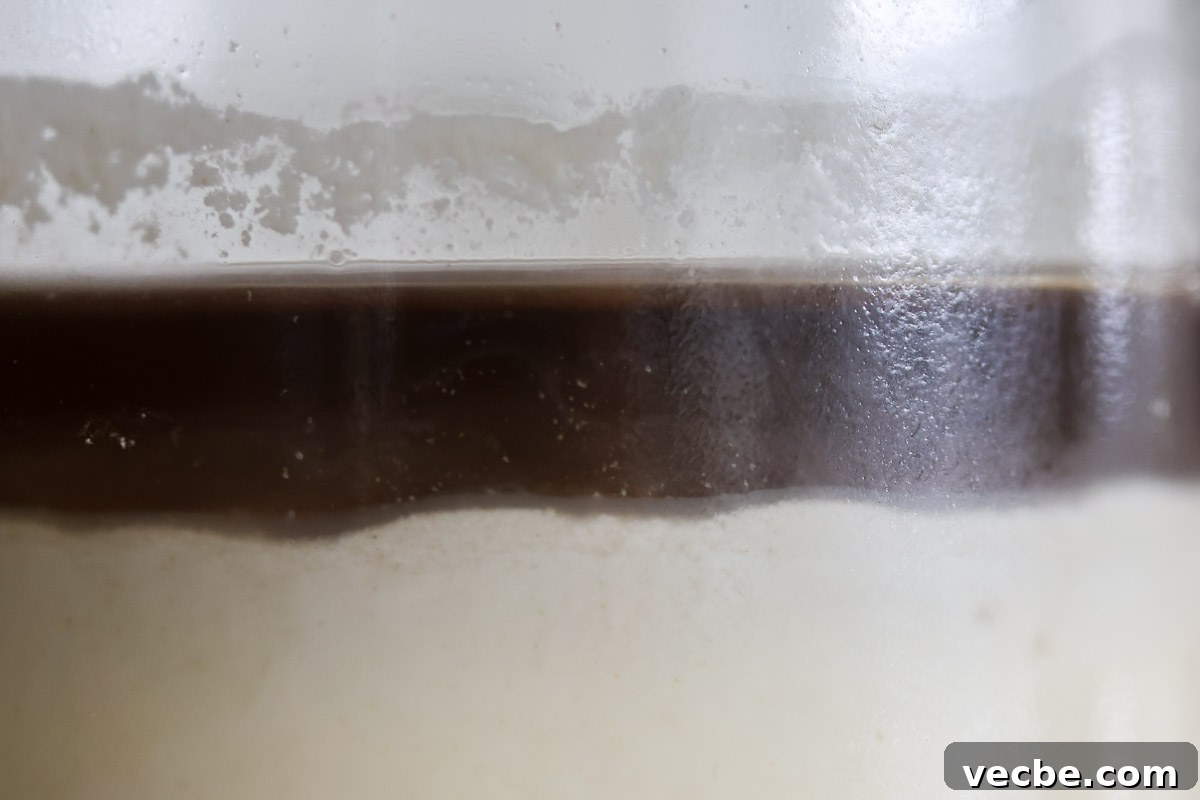
If your starter is sluggish, a few consistent, well-timed feedings will usually restore balance. While you rebuild it, you can use discard in various recipes that accept unfed starter.
In summary, most weak starters can be revived by correcting feeding timing and ratios and by managing temperature. Address excess acidity with larger dilutions and avoid feeding before the starter peaks. With these adjustments and a bit of patience, your starter will become active and reliable again, ready to bake great bread.